Residential HVAC
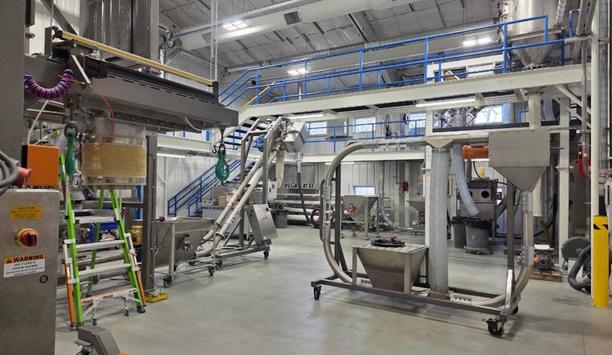
Hapman, a pioneer in the design and manufacture of custom bulk material handling equipment, is proud to announce its new test lab designed to help processors more accurately evaluate how materials will perform in conveying applications. The expanded facility allows customers to validate equipment selection, refine system design and reduce project risk before equipment is installed. Conveyors and integrated system tests The facility now accommodates bulk bag unloading and filling, higher-throu...
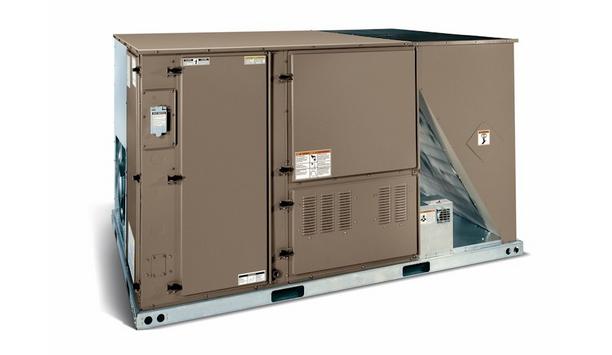
Bosch Home Comfort Group will make its landmark debut at AHR Expo 2026. The recent milestone of incorporating the YORK® and Hitachi brands in its portfolio sparks a new era for the company fueled by the strength of these iconic brands. From Feb. 2–4 in Las Vegas, attendees will be the first to experience the Bosch Comfort Revolution through an immersive booth experience that demonstrates how the expanded portfolio creates a single, powerful ecosystem that redefines comfort for contrac...
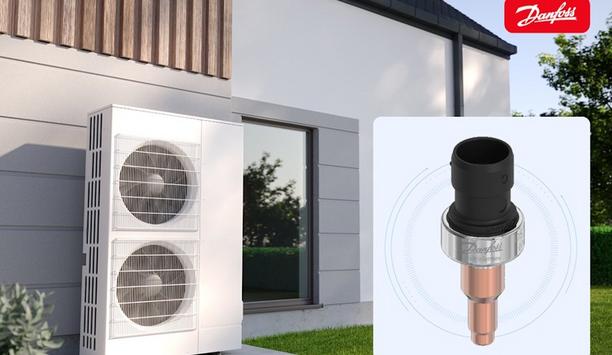
As the latest in the DST series of durable, compact pressure sensors from Danfoss Sensing Solutions, the DST P070 offers a range of features ideally suited for heat pump installations. "Heat pumps play a central role in our transition away from fossil fuel-driven HVAC systems. For example, the REPowerEU targets require that the amount of newly installed heat pumps double every four years, meaning they will need 60 million more heat pumps installed by 2030." "Yet, HVAC system builders often str...
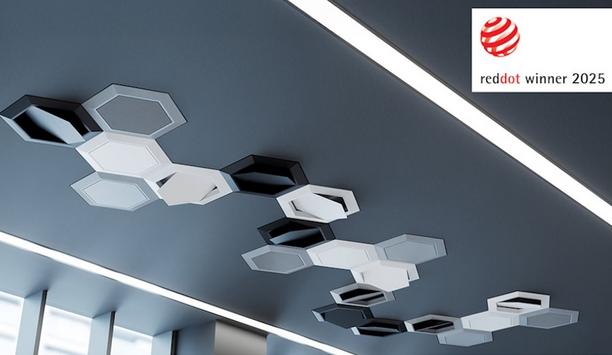
These two Hitachi air conditioning design concepts won the Red Dot Design Concept Awards 2025, including “Best of the Best” award for “airCloset” and Desgin Concept Award for “airHive”. Rather than leaving HVAC idle between cycles, these award-winning concepts weave air conditioning into furniture and architectural features, keeping spaces functional and comfortable all year. integrating vertical vents Closets are large and tall, and they are usually fixed...
Business Development Resources (BDR), the training and business coaching authority for home services industry professionals, announces a new partnership with PPATEC, the technical education provider for the Pennsylvania Petroleum Association. The first results of the partnership will be a pair of hands-on courses, led by seasoned BDR coaches at PPATEC’s Grantville, Pennsylvania, training facility. The first of these courses, Managing & Growing Service Profitably, will be tau...

SmartAC, the premier B2B SaaS platform providing smart monitoring, analytics, and an end-to-end customer engagement for HVAC service providers to accelerate sustainable, long-term growth, has announced a strategic partnership with Simmons One Hour Heating & Air Conditioning™, a family-owned HVAC pioneer serving Fayetteville, Laurinburg, Pinehurst, and eight additional North Carolina markets. Through its partnership with SmartAC, Simmons One Hour continues to achieve over a 50% club me...
News
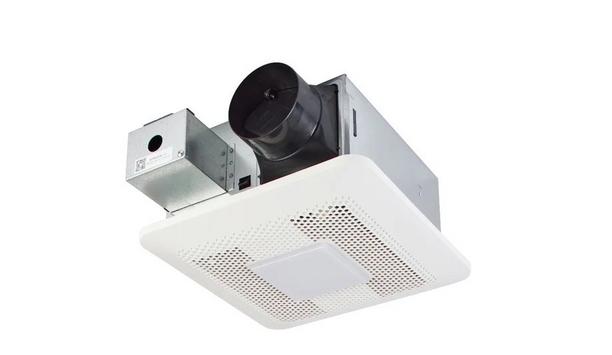
Panasonic, a foremost provider of ventilation and sustainable home comfort solutions, today announces its new Whisper Symphony™ exhaust fan, now available for purchase in stores and online at The Home Depot and Do it Best. Designed for modern homeowners and DIYers, this innovative fan enhances daily bathroom routines by combining Panasonic’s superior ventilation, energy-efficiency, and immersive audio into a single, easy-to-install solution. Features The Whisper Symphony™ exhaust fan transforms any bathroom into a space of comfort and enjoyment. Crystal-clear dual speaker system delivers top-tier sound at the highest decibel rating, while whisper-quiet ventilation keeps the space fresh – perfect for energizing mornings or relaxing evenings. Dual Bluetooth® pairing allows seamless switching between iOS and Android for up to two devices with QuikConnect technology making streaming music, podcasts, or audiobooks effortless. With easy, hassle-free installation, any bathroom can be transformed into a space that enhances comfort and daily enjoyment. A modern upgrade “Combining Panasonic’s advanced indoor air technology with a quality audio experience offers modern users an upgrade they’ve been looking for,” said Amy van der Horst, National Sales Manager at Panasonic. “Whether you’re seeking efficiency, indulgence, or entertainment when getting ready for the day and winding down at night, we’re offering homeowners a product that ensures a cleaner, fresher bathroom and an elevated experience. It’s another example of how Panasonic continues to create solutions that meet all elements of wellness.” Additional features The Whisper Symphony™ exhaust fan transforms an ordinary bathroom into a five-star experience with performance, convenience, and lifestyle benefits built into one simple upgrade. Backed by Panasonic’s industry warranty, homeowners and DIYers can enjoy long-term moisture and odor control, along with: Best in Market Sound: Dual integrated speakers inside the fan deliver optimal audio with the highest decibel rating, ensuring reliable performance even in high-humidity spaces Convenient Dual-Device Pairing: QuikConnect Bluetooth® allows users to pair two devices simultaneously, eliminating the need to disconnect and reconnect Long-Lasting LED Dimmable Lighting with Night Light: Energy-efficient LED lighting brightens spaces and adds ambiance while a built-in night light with adjustable brightness adds safety Cost-Saving DC Motor Technology: A quiet, energy-efficient DC motor reduces long-term operational costs while maintaining strong ventilation performance Whisper Quiet Operation: Ventilation is delivered with minimal noise, achieving a low sone rating of 0.4 at 80 cubic feet per minute (CFM) and 1.1 at 110 CFM for superior acoustic comfort Dynamic Pick-A-Flow™ Speed Selector: Two airflow options at 80 CFM or 110 CFM accommodate varying ventilation needs, simplifying selection and reducing purchasing complexity Easy Installation Options: Flex-Z Fast brackets allow easy installation from below the ceiling, compatible with 2x6 joists, 3” and 4” ducts, and existing ductwork Superior Warranty Offering: Panasonic’s industry leading warranty provides long-term peace of mind with a 6-year electronically commutated motor (ECM) warranty, 3-year parts warranty, 5-year warranty on LED chip panel, and 1-year warranty on speakers

Construction has started on what will be the UK’s third Community Heat Hub – a low-carbon heat solution that provides heat and hot water to residential communities via a heat network developed and designed especially for low-rise, low-density sites. Taylor Wimpey Yorkshire contracted the solution from GTC for its Swinnow Park development in Wetherby – a first in the region for the housebuilder. Low-carbon heat and hot water This is the second Community Heat Hub that Taylor Wimpey has contracted nationally from GTC - with the flagship site already delivering sustainable, low-carbon heat and hot water at Chilton Woods, in Sudbury, Suffolk. The third development boasting a Community Heat Hub can be found at Vistry’s, The Gateway in Bexhill, East Sussex. Taylor Wimpey’s Swinnow Park will deliver 762 homes, a mix of two, three, four, and five-bedroom properties, which will all be connected to the Community Heat Hub, replacing gas across the whole site. Heat pumps and heat networks A GTC spokesperson, said: “We’re delighted to once again be working with Taylor Wimpey, delivering our zero-carbon, heat network at Swinnow Park. Our Community Heat Hubs answer the eagerly anticipated Future Homes Standard by reducing carbon emissions by 75-80% from day one.” “The Future Homes Standard contains two notional specifications – heat pumps and heat networks. The Community Heat Hub combines these two specifications in one future-proofed, net-zero solution. It’s a privilege to be working with Taylor Wimpey to start creating cleaner, greener communities around the country.” Carbon emissions to net zero by 2050 Sam Evans, Sales and Marketing Director at Taylor Wimpey Yorkshire, said: “As housebuilders, it’s important for us to embrace other forms of heating as part of the UK Government’s commitment to reducing carbon emissions to net zero by 2050." “In working with GTC, we believe this efficient solution is an innovative step forward by providing a single, large air source heat pump to deliver heat to our new homes through individual heat interface units, with no need for a gas boiler.”

Quilt, the smartest way to heat and cool the home, now announced the closing of a $20 million Series B fundraising round, bringing its total funding to $64 million. The round was co-led by Galvanize and Energy Impact Partners (EIP), with participation from Gradient Ventures, Lowercarbon Capital, Incite Ventures, and Alumni Ventures. As demand for Quilt’s heat pump systems continues to grow, this investment will accelerate the company’s commercial expansion across the United States, as well as drive continued innovation in Quilt’s software platform and product line. Clean-energy investments The company also announced that former Sunrun and Nest CFO Tom vonReichbauer and Galvanize Partner Veery Maxwell are joining its board of directors. Together, Veery and Tom bring deep expertise in scaling climate technology companies — from early-stage ventures and public-market pioneers to guiding multi-billion-dollar clean-energy investments — along with proven strength in operational execution and financial strategy. Heat pump adoption "Fifteen percent of U.S. emissions come from homes, with HVAC as the biggest driver. Heat pump adoption is growing — shipments now outpace traditional split systems — but the market has been held back by products that didn't fully deliver what HVAC dealers and homeowners were looking for," said Paul Lambert, CEO and Co-founder of Quilt. "Our growth demonstrates that when you solve for comfort, design, and efficiency simultaneously, adoption accelerates. This funding enables us to bring that experience to millions more North American homes." Heat pump and home climate solutions During 2025, Quilt’s presence expanded from the San Francisco Bay area to sixteen U.S. states and five Canadian provinces. In recent months, the company has seen significant growth in demand from both homeowners and installation partners, with homeowner leads up 394% and inbound partner leads up 409%. “Galvanize is thrilled to deepen its partnership with Quilt and help the company accelerate its commercial momentum. Quilt is positioned to capture increased market share in the heat pump and home climate solutions market, while delivering measurable residential decarbonization,” said Veery Maxwell, Partner and Co-Head of Venture & Growth at Galvanize. Quilt's efficiency advantages With residential electricity costs rising 6.5% year-over-year and grid strain driving prices higher in data center hotspots, Quilt's efficiency advantages help homeowners reduce their bills year-round while easing pressure on aging infrastructure. "Quilt combines a best-in-class consumer and installer experience with the kind of load flexibility and efficiency that the electric grid needs in a period of rapid AI load growth and rising electricity costs,” said Sameer Reddy, Managing Partner at Energy Impact Partners. “We are proud to deepen our partnership with the company in this next phase of growth.” More homeowners and HVAC service providers are choosing Quilt Quilt is the first ductless heat pump designed as an architectural element, with indoor units under eight inches tall to fit above doors and windows, customizable covers that integrate with any interior, and built-in accent lighting that transforms units into design features. In addition to its elevated design, Quilt is the most efficient heat pump of its kind: System Efficiency SEER2 rating of 25 & HSPF2 of 12, highest efficiency ratings of any 2-zone ductless heat pump 20% more efficient than comparable ductless heat pumps 80% more efficient at cooling than what most North Americans have in their homes now 400% more efficient at heating than what most North Americans have in their homes now These efficiency improvements reduce grid strain while lowering homeowner bills Intelligent heat pump in the market Quilt is also the most intelligent heat pump in the market. Indoor units contain as much processing power as an iPhone — 500 times more than existing heat pumps — enabling features including: Granular Energy Usage Tracking Real-time monitoring down to the hour for each room Homeowners see exactly where energy is consumed Enables data-driven decisions about system usage Comprehensive reporting through iOS and Android apps Over-the-Air Updates The system only gets smarter over time with over-the-air updates that deliver new features and increased efficiency In September, every installed system experienced a 22% cooling and 23% heating max capacity increase through an overnight update Other features rolled out in the past year by OTA include energy insights, Auto-Away functionality and twinkle lights for the holiday season Auto-Away with Occupancy Detection Millimeter wave radar technology embedded in indoor units Detects human presence even without movement Automatically reduces energy consumption in unoccupied rooms Privacy-preserving (no visual data, cannot "see" into homes) Customizable per-room settings (20-minute default timeout) Quilt works with Certified Partners Quilt works with Certified Partners who sell, install, and maintain Quilt systems. The Certified Partner Program helps HVAC service providers stand out with: Competitive differentiation: Partners can offer a product line no competitor provides Remote diagnostic capabilities and over-the-air updates: Reduces callbacks and service visits Comprehensive training and support: Dedicated partner support number with direct access to in-house Quilt expert technicians Marketing enablement: 90-day toolkits and seasonal campaigns that outperform traditional HVAC marketing

Carrier Solutions UK partnered with SpeedyFit to deliver a premium Toshiba air conditioning installation at Tingdene Caldecott Hall Country Park in Great Yarmouth, providing a high-end climate control solution tailored to the luxury park environment. Carrier Solutions UK Ltd (formerly Toshiba Carrier UK Ltd) is a part of Carrier Global Corporation, a global pioneer in intelligent climate and energy solutions. The project, led by Simon Baker, Regional Sales Manager (West Midlands) Residential and Light Commercial EMEA, involved installing Toshiba Haori and Shorai Edge systems within a high-specification park home. The solution was selected to meet the client’s requirement for discreet, low-noise units that would blend with the interior décor and deliver high levels of comfort throughout living and sleeping areas. Toshiba Ultra-Pure Filters The Haori indoor units were chosen for their customizable covers, allowing seamless aesthetic integration. Both Haori and Shorai Edge systems operate at 19dB(A) or less, supporting quiet operation within the home. Outdoor multi-split 2- and 3-port inverter units operate at 43dB(A) and feature a discreet design to minimize visual impact across the scenic park landscape. All installed systems provide improved air quality through Toshiba Ultra-Pure Filters, which capture up to 94% of PM2.5, and deliver A+++ energy-efficiency performance. Integration of the Haori and Shorai Edge systems Paul Atkins of SpeedyFit said, “The integration of the Haori and Shorai Edge systems perfectly aligned with the luxury standards of the park while delivering optimal comfort and functionality. Seeing the positive impact of our work on the spaces was really satisfying and we’re looking forward to continuing our partnership.” Richard Goldsmith of Tingdene Caldecott Hall Country Park added, “Paul expertly navigated our options in real time to ensure we picked the best units in terms of aesthetics, quality and energy efficiency. The Toshiba system he installed is outstanding. The system’s quiet operation and energy efficiency have totally exceeded my expectations and now SpeedyFit is our preferred partner for all future installations”.
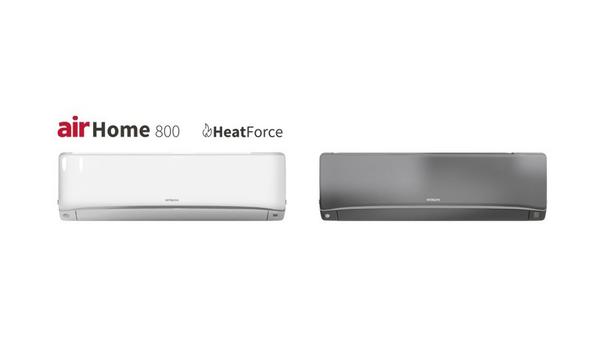
Hitachi Cooling & Heating brand is proud to announce the launch of its new generation of wall-mounted air-conditioning systems, airHome 800 HeatForce. Designed for modern residential living and available in both single- and multi-split configurations, the upgraded range combines contemporary styling with exceptional efficiency and advanced air-quality technologies. High efficiency, even at extreme cold Operating with low-GWP R32 refrigerant and available in capacities from 2.5 to 5kW, airHome 800 HeatForce delivers reliable heating and cooling performance while helping households reduce energy bills. Rated A+++ for both heating and cooling, it achieves a SEER of up to 9.50 and a SCOP of up to 5.20. Engineered for harsh winter conditions, the latest airHome 800 HeatForce models maintain dependable heating output in temperatures as low as –15°C, thanks to Constant Power technology. The system continues operating even at –20°C, ensuring comfort and peace of mind throughout the coldest months. Refined design and enhanced indoor air quality The new airHome 800 features an elegant design, available in brilliant white and sophisticated grey, crafted to blend seamlessly with contemporary interiors. While its appearance has been modernized, the system maintains advanced air-treatment features that have long distinguished the Hitachi Cooling & Heating brand. Equipped with FrostWash™ technology, the unit keeps its heat exchanger clean through a three-stage cycle of heating, frosting and defrosting. The AQtiv-Ion ioniser disperses negative ions to help eliminate pollutants, while the integrated antivirus filter and Mold Guard function work together to maintain healthier indoor air by reducing the risk of mould build-up in humid conditions. FrostWash™ technology FrostWash™ technology is also applied to the outdoor unit, while the DuraSpin function reverses the fan’s rotation in cooling mode to remove accumulated dust. Indoors, comfort is further improved with ultra-low noise levels from 21 dB(A), wide airflow coverage and an integrated motion detector that adjusts temperature and power according to room occupancy. Smart control made simple With built-in Wi-Fi connectivity, users can manage their airHome 800 system remotely via the airCloud Go app on smartphone, tablet or PC. The system is fully compatible with Google Home and Amazon Alexa, enabling effortless voice control. A smart geofencing function ensures the unit adapts automatically to the user’s location, while the supplied LED-backlit remote control provides quick access to all core settings, including temperature, fan speed, operating mode and airflow direction.

Synchrony, a pioneering consumer financing company, and Mitsubishi Electric Trane HVAC US LLC (METUS), a pioneering provider of residential and commercial heating and cooling solutions in the United States, now announced the renewal of their strategic residential consumer financing business relationship. Effective October 1, 2025, this multi-year agreement builds upon a decade-long collaboration. Synchrony’s dedication “As we mark a decade of successful collaboration with METUS, our renewed relationship underscores Synchrony’s dedication to driving growth, fostering innovation, and supporting our collaborators through the evolving landscape of customer needs,” said Curtis Howse, EVP and CEO of Synchrony’s Home & Auto platform. “Together, we continue to pave the way for transformative solutions that empower both businesses and consumers alike.” This business collaboration exemplifies the mutual commitment of both companies to find opportunities to deliver innovative financing solutions that help enable customers to upgrade and maintain their HVAC systems with ease and flexibility. By leveraging Synchrony’s customizable financing options, METUS continues to enhance the customer purchasing experience and provide robust support to its network of contractors nationwide. Flexible and secure financing solutions “Our long-standing collaboration with Synchrony has been a key factor in empowering contractors and our customers alike through flexible and secure financing solutions. These solutions not only support the purchasing process but also drive greater confidence and satisfaction across projects,” said Brinnon Williams, Vice President of Residential Business, Mitsubishi Electric Trane HVAC US LLC. “We’re excited to continue working alongside Synchrony to provide the financing options that help bring these innovations within reach for more homeowners.” Synchrony and METUS’ collaboration Since 2014, Synchrony has offered many customers of Mitsubishi Electric products various promotional financing options to cover heating and cooling systems and services. Customers can apply for credit on their own devices, with immediate access to credit upon approval. This streamlined process supports HVAC contractors by providing them with proven tools and new product capabilities to drive sales and customer satisfaction. As the demand for smart, energy-efficient HVAC solutions continues to grow, Synchrony and METUS’ collaboration will play a crucial role in providing customers with both innovative products and convenient financing.

Expert Commentary

As builders and contractors strive to meet ever-higher energy efficiency standards, airtight construction has become the new norm. While tighter envelopes cut energy waste, they also reduce outdoor airflow, creating new challenges for indoor air quality (IAQ) and occupant comfort. In response, Energy Recovery Ventilators (ERVs) have quickly moved to the forefront as an essential solution. Industry professionals often underestimate the capabilities and advancements of today’s ERV systems, despite their increasing importance in both residential and commercial applications. How ERVs Enhance High-Performance Builds Unlike basic exhaust fans, ERVs are built to provide consistent, balanced ventilation in high-performance buildings. They work by exchanging stale indoor air with filtered outdoor air, using a heat-exchange core to transfer both temperature and humidity. This process tempers incoming air, helping to ensure that what enters the living space is close to ideal conditions, regardless of the outdoor climate. ERVs contribute to lower energy bills, longer gear life, and more even comfort throughout the home In practice, this means that during winter, ERVs can pre-warm and humidify cold, dry air before it enters, reducing both discomfort and energy demand. In summer, the system pre-cools and dehumidifies incoming air, maintaining comfortable conditions and reducing air-conditioner system strain. By offloading some of the work from primary HVAC systems, ERVs contribute to lower energy bills, longer equipment life, and more consistent comfort throughout the home. From Code Compliance to Real-World Applications As building codes and standards such as ASHRAE 62.2 and Title 24 become stricter and evolve nationwide, ERVs have played a critical role in helping projects achieve code-mandated ventilation. Increasingly, these codes are moving beyond minimum airflow rates to address factors like energy recovery, humidity control, and occupant well-being, reflecting a broader understanding of indoor environmental quality. However, code compliance is only one part of the equation. ERVs have played a critical role in helping projects achieve code-mandated ventilation Today’s homeowners are more informed than ever about the health impacts of IAQ. They want ventilation systems that actively reduce allergens, pollutants, and excess humidity, helping to prevent issues like mold growth, respiratory irritation, and other health concerns. At the same time, they expect these systems to operate reliably throughout the year without driving up energy use, whether during heatwaves, deep freezes, or everyday seasonal shifts. This dual focus on health and efficiency is prompting a move away from lab-only performance metrics. Home building and construction industry professionals must seek ERVs that deliver on their promises in real-world conditions: fluctuating temperatures, high humidity, and varying occupancy levels. The latest generation of ERVs is designed and tested for precisely this kind of robust, year-round operation. Why ERVs Are Gaining Ground in Modern Construction The adoption of ERVs is accelerating in today’s construction market, and for good reason. Modern ERVs feature flexible, space-savings designs that make it easier than ever to integrate into both renovations and new builds – even when mechanical space is limited. This adaptability is a significant advantage for builders and contractors working within tight building constraints. ERVs deliver improved efficiency that leads to tangible drops in energy use and operating costs Beyond ease of installation, today’s ERVs deliver improved efficiency that leads to tangible reductions in energy use and operating costs. As energy codes become more stringent and utility bills climb, products that support energy conservation without sacrificing comfort are in high demand. At the same time, a growing body of research and field data demonstrates the positive impact ERVs have on indoor air quality, reinforcing their value in promoting occupant health and well-being alongside comfort. The future of ERVs isn’t just about efficiency, it’s about health. Recent research, including findings from the National Institute of Environmental Health Sciences, underscores the urgency of addressing IAQ in modern airtight homes. Rising pollutant levels, excess humidity, and a proliferation of synthetic materials can create health risks ranging from respiratory issues to cognitive impacts. ERVs can play a crucial role in mitigating these risks by continuously removing contaminants and controlling humidity, all while optimizing building energy use. A New Generation of ERVs When evaluating next-generation ERVs, professionals should prioritize systems that perform reliably across diverse climates, integrate seamlessly with existing HVAC and building automation platforms, and streamline both installation and ongoing maintenance. ERVs should be designed to meet the rising demand for robust, climate-ready solutions. ERVs should be designed to meet the rising demand for robust, climate-ready solutions They must deliver dependable ventilation performance in extreme conditions, as well as feature adaptable ducting and intuitive controls that help simplify installation. ERVs must also evolve to meet the latest building codes and real-world expectations, supporting healthy, resilient homes without adding unnecessary complexity for builders or contractors. This evolution of product requirements reflects a wider movement in the industry toward ERVs that address real-world installation challenges and changing code requirements. Features such as minimal airflow loss under static pressure, advanced moisture management for humid climates, and compatibility with smart controls are becoming increasingly important. As more manufacturers prioritize these attributes, professionals now have greater flexibility to select ERVs, like the Panasonic Intelli-Balance Elite and Elite+ Series, that meet the unique demands of each project, ultimately supporting healthier and more energy-efficient indoor environments. A Call to Action for Building Pros As codes tighten and consumer expectations rise, integrating ERVs into every project is a smart, future-ready move. By specifying advanced, climate-adaptable solutions contractors and builders can deliver spaces that are not only energy efficient but also healthier and more resilient. The bottom line: ERVs are no longer a niche add-on. They are essential for the next generation of high-performance, healthy homes. Those who embrace this technology now will be best positioned to meet the evolving demands of the market and deliver lasting benefits for their clients.

As utility prices climb and extreme weather becomes more common, homeowners are increasingly looking for ways to improve comfort without breaking the bank. One solution that’s gaining traction is the all-electric, all-climate heat pump. As a fourth-generation HVAC contractor, I’ve seen firsthand how high-performing all-climate heat pumps provide efficient, year-round home comfort and financial savings. These systems are the new standard for the HVAC industry, and here’s why. Reliable, year-round comfort Unlike conventional HVAC systems with fixed-speed compressors that run at full power regardless of need In areas like northeastern Pennsylvania, where summers are hot and humid, all-climate heat pump systems can be used to deliver HVAC performance that stands up to even the harshest conditions. Unlike conventional HVAC systems with fixed-speed compressors that run at full power regardless of need, all-climate heat pumps with inverter-driven compressors start low and slow before ramping up or down to match demand. It turns on, pulls the precise amount of power it needs to be able to create cooling or heating, and then it ramps up as needed based on temperatures inside the house and outside. This precision helps reduce energy usage and utility costs, a key benefit with prices of utilities climbing across the United States. Inverter technology Inverter technology maintains its efficiency even during the coldest months, as demonstrated during this past winter's particularly harsh conditions. One of our customers shared that on a day when it was -19°F, with an even lower wind chill, his Mitsubishi Electric ducted, all-climate heat pump performed flawlessly, keeping his home warm and comfortable. Even during extreme heat and cold, we are seeing these systems perform efficiently, and I encourage contractors to continue to teach homeowners about the benefits. Flexible zoning and smart features High-performance ductless solutions ensure they stay comfy year-round without requiring modifications Another beneficial feature of all-climate heat pumps is zoning. Whole-home ductless mini-split systems can give homeowners the ability to set different temperatures in different rooms, making them perfect for families with varying comfort preferences and for improving efficiency in less-used spaces. All-climate heat pumps can also be used for areas where conventional systems struggle to provide adequate climate control, such as pole barns, she-sheds, sunrooms, or above-garage rooms. High-performance ductless solutions ensure they stay comfortable year-round without requiring major modifications to the home’s existing HVAC system. All-climate heat pumps Many all-climate heat pumps are equipped with smart features designed for optimal energy efficiency and comfort. For example, sensors in Mitsubishi Electric systems we install and service can detect occupancy along with cold and hot spots in specific rooms, automatically adjusting airflow and temperature. When no one is in the room, the sensors can switch the system into an energy-saving mode. Homeowners with certain systems can also purposefully put them into Econo Cool mode if they’re not going to be in a certain space. Educating homeowners and building trust Many homeowners have outdated misconceptions that these systems are underpowered The rural area we serve includes many homes that still rely on oil or electric baseboard heating, with a smaller number using propane or gas. Since many people tend to stick with what they know, it’s especially important to educate them on the benefits of all-climate heat pumps. Many homeowners have outdated misconceptions that these systems are underpowered or only effective in mild climates. Overcoming these beliefs starts with homeowner awareness and trust. Important for contractors to teach homeowners That’s why it is so important for contractors to teach homeowners about the systems and even include case studies on their websites that demonstrate favorable results. Contractors should make a point to explain technical metrics in ways that are easy to digest and understand. For instance, tell homeowners about the coefficient of performance (COP), explaining that electric baseboards have a COP of 1.0 − meaning you get one unit of heat for every dollar spent. Some of the all-climate heat pumps we install and service can reach COPs of 2.1 to 2.2 even in freezing temperatures. The keys to success in a changing HVAC landscape HVAC installations that once took five days with conventional ducted systems now take one or two days with modern, all-climate heat pumps, enabling more jobs and better margins. Many energy-efficient all-climate heat pump systems are also eligible for tax credits and utility rebates, which is another win. Because I want our industry to evolve, I offer three key pieces of advice to my fellow contractors: Trust in all-climate heat pump systems − proven, reliable, and engineered to keep occupants comfortable through summer highs and winter lows. Prioritize training and education, not just for yourself but for your team and clients as well. Well-informed contractors build trust and ensure every installation is done right. Recognize that all-climate heat pumps aren’t just the future − they’re here now, reshaping the way we think about HVAC. All-climate heat pumps are more than a passing trend. With the right knowledge, support, and commitment, they represent a smarter, more efficient path forward for contractors and homeowners alike.

As HVAC professionals know, the heating and cooling industry is undergoing a transition from refrigerants like R-410A to low global warming potential (GWP), or A2L, refrigerants such as R-454B. When preparing customers for the changes that the refrigerant shift brings, contractors can stay ahead of the learning curve by investing in staff training, purchasing necessary new tools for their HVAC technicians, and educating their residential and commercial customers about the impacts. As the industry navigates this change, below are lessons and tips to help contractors make a smooth transition to using the new refrigerants. Dealing with new refrigerants, new rules, and new challenges As new equipment has arrived, questions have come up around installation and servicing In 2025, new residential and light commercial HVAC systems must use low-GWP refrigerants. These refrigerants require new standards, new products, and enhanced safety protocols. There has been a significant learning curve for the industry, especially in the early stages of the transition. As new equipment has arrived, questions have come up around installation and servicing. Industry trade partners, such as Mitsubishi Electric Trane HVAC US (METUS), have been helpful in providing information, resources, and support. Things have been changing quickly, and while many HVAC contractors are adapting well, others are still trying to get their bearings. Part of the challenge is that manufacturers have varying requirements. Availability of A2L-compatible equipment Initially, the HVAC industry faced challenges due to the limited availability of A2L-compatible equipment and the declining supply of R-410A systems. We’ve worked to balance inventory management with maintaining customer satisfaction. In some cases, we've made two separate service visits for new system installations, first to replace the furnace and evaporator coil and then to return once the outdoor unit becomes available. Thankfully, the industry’s inventory availability has recently improved. The refrigerant itself is still hard to come by for most contractors. Remaining vigilant and proactive, continuing to depend on trusted industry partners for timely and accurate updates is essential. Staying ahead through training and education Company pioneers should ensure their teams – not just HVAC installers but sales, service As the industry receives new information on installation, service procedures, and safety protocols, it is essential that contractor training programs are continuously evolving. Company pioneers should ensure their teams – not just HVAC installers but sales, service, and support staff – stay informed as new guidance becomes available. Education is a core value: teams should be encouraged to attend training sessions and share what they learn with their fellow team members. Regulations, safety procedures, and installation best practices In preparation for the transition, it’s also vital that contractors upgrade many of their tools, such as vacuum pumps, digital gauges, recovery machines, and manifolds. They should also provide their technicians with the proper training on these tools. Most importantly, contractors should take advantage of every opportunity from their trade partners, like METUS, and numerous trade affiliations, like the Air Conditioning Contractors of America (ACCA), to obtain guidance. Constantly research and share information with your team so members are well-versed on regulations, safety procedures, installation best practices, and more. Educating homeowners on potential upgrades Customers rely on contractors’ expertise to guide them through their purchase Most homeowner discussions focus on price and equipment availability rather than refrigerant types, but a few well-informed customers ask about the impact of the equipment refrigerant on their homes. Customers rely on contractors’ expertise to guide them through their purchase. Clear, helpful education builds trust, ensures understanding, and offers peace of mind for customers. It's smart and responsible to communicate about the refrigerant change to customers early, so they’re not caught off guard when their current R-410A system eventually needs replacement. They can plan and budget better with this knowledge in mind. I recommend that New York State contractors let their customers know they may be able to take advantage of the New York State Clean Heat program rebates. These rebates can be combined with federal tax credits included in the Inflation Reduction Act for switching to heat pumps and other efficient solutions. Both programs have incentivized customers to install high-performance heat pump systems. Improving performance while enhancing comfort All-climate heat pump systems using A2L refrigerants are said to be more efficient than prior generations All-climate heat pump systems using A2L refrigerants are said to be more efficient than previous generations. We’re telling our customers who switch that they can potentially lower their utility bills. The timing of these enhancements fits well with the growing demand the industry is seeing for ductless systems. Our northeastern region – which includes Amherst, New York and the surrounding Buffalo area – has started experiencing above-average temperatures, prompting many people to adopt ductless systems as a cooling solution for the first time. I would never have anticipated this trend five years ago, and contractors in other parts of the country may be seeing the same trend. Turning disruption into a path for growth and preparedness The refrigerant transition has brought its share of challenges, but it has also sparked progress. It is essential for contractors and HVAC professionals to embrace this moment as a catalyst to strengthen their teams, invest in modern tools, and elevate customer education. By staying connected with trusted partners and industry groups, contractors don’t have to just keep pace, but they can instead position themselves for long-term success in this new era of HVAC.
Editor's Note

The HVAC market is in transition. Heat pumps are no longer niche, but are becoming the default replacement for both furnaces and central AC. Midea is responding to the new normal and pledges to be a partner in the transition by equipping the trade with future-ready solutions and accessible training. “For contractors, this shift presents a major opportunity,” says David Rames, Senior Product Manager, Midea. Midea’s EVOX All Climate Heat Pump Midea helps dealers deliver more jobs with fewer SKUs (simplified inventory) and fewer callbacks Midea is well-known to consumers, and recognition is growing among the professional space in the United States. Midea approaches the professional market with a contractor-first strategy, designing systems in their research and development (R&D) labs in Louisville, Kentucky, for fast installation, retrofit compatibility, and rebate eligibility. Midea helps dealers deliver more jobs with fewer SKUs (simplified inventory) and fewer callbacks. Midea’s EVOX All Climate Heat Pump and air handling unit (AHU) offer versatility, modular designs, dual-voltage compatibility, and all-weather performance. The features allow contractors to future-proof their businesses and offer customers cost-effective options across new construction and retrofit applications. Midea's expanding distribution partnerships Midea is expanding distribution partnerships, opening showrooms, and investing in training to ensure HVAC professionals have the tools and support they need. For distributors, the growing demand underscores the importance of training, stocking flexible systems, and guiding customers through rebate processes. Midea’s growing showroom network in the United States and Canada doubles as live training hubs. Locations in New York City, Orlando, Mississauga, Montreal, and Vancouver give contractors hands-on experience with systems like the EVOX G3 ducted system and Packaged Window Heat Pump (PWHP). Real-world equipment training Each training facility hosts technical demos, installations, and education on rebate programs Each training facility hosts technical demos, installation walkthroughs, and education on rebate programs. These centers also partner with trade schools and utilities, helping bridge the skills gap with real-world equipment training. “By combining distribution, product demos and workforce education under one roof, Midea differentiates itself from competitors and ensures contractors are confident installing our whole home systems in single and multi-family projects and public housing retrofits,” says David Rames. Midea’s Growth of heat pumps Midea’s buildup comes amidst noticeable growth of heat pumps versus traditional air conditioners in 2025 and beyond. Industry data shows a structural market shift: AHRI reported a 19% year-over-year increase in heat pump shipments in April 2025, while central AC sales declined 2.8%. This growth is fueled by incentives, evolving building codes, and consumer demand for year-round solutions. Retrofit-ready designs Midea supports this transition with retrofit-ready designs, modular AHUs, and dual-voltage options “At Midea, we see strong adoption of ducted EVOX systems and PWHPs across residential and multi-family housing,” says David Rames. Midea supports this transition with retrofit-ready designs, modular AHUs, dual-voltage options, and training programs that help installers capture opportunity as AC-only demand continues to shrink, he adds. Enhanced Vapor Injection technology And the innovation continues. The forthcoming EVOX All Climate Heat Pump delivers up to 100% heating output at down to -31°F with continuous operation down to -40°F, and up to 100% cooling output at up to 140°F with continuous operation up to 149°F. Enhanced Vapor Injection (EVI) technology maintains reliable capacity where traditional systems fail. The modular “block-n-lock” AHU breaks into three sections for tight-space installs, can be assembled in six different configurations to meet any need and reduce the number of SKUs a contractor needs to stock, supports both 115V and 208/230V, and fits as a direct furnace replacement. new construction and retrofit jobs Electrification policies across the U.S. and Canada are directly shaping HVAC system design With contractor-friendly flair fittings, wireless commissioning, and rebate eligibility, EVOX is engineered for both new construction and retrofit jobs. “This system sets a new benchmark for extreme climate performance and installation flexibility,” says David Rames. Electrification policies across the U.S. and Canada are directly shaping HVAC system design. Performance standards, building codes, and incentive structures dictate cold-climate systems. For Midea, this means designing ducted and packaged solutions that deliver 100% heating output in sub-zero temperatures, qualify for programs like ENERGY STAR Most Efficient and CEE Advanced Tier, and integrate with demand response platforms. Advanced inverter-driven all-weather systems “We have also partnered with agencies on programs such as New York’s Clean Heat for All Challenge, deploying retrofit-ready Packaged Window Heat Pumps at scale,” states David Rames, adding “Policy isn’t just a driver; it’s a roadmap for innovation and deployment.” Looking ahead, Midea is investing in advanced inverter-driven all-weather systems, modular AHUs, and compact packaged solutions that simplify retrofits. The pipeline includes next-generation EVOX models with higher coefficients of performance (COPs) at sub-zero temperatures, grid-responsive controls, wireless communication, and compatibility with smart thermostats. Midea investing in advanced inverter-driven all-weather systems. Contractor training and installation quality The company is also expanding into domestic hot water with a Heat Pump Water Heater (HPWH), which delivers up to 400% efficiency and qualifies for most U.S. and Canadian rebates. Supporting the innovations are hands-on contractor training and ongoing collaboration with utilities and trade schools. Midea is addressing this with modular AHUs, guided commissioning tools, and a nationwide training network “Our goal is clear: To equip the market with scalable, installation-friendly solutions for every climate,” says David Rames. Contractor training and installation quality remain the biggest challenges. Improper sizing, restrictive airflow and misassembled equipment can still undermine performance. Midea is addressing this with modular AHUs, guided commissioning tools, and a nationwide training network. Modern heat pumps Cost is another barrier, but broad rebate eligibility helps homeowners offset upfront expenses. Also, consumer awareness is lagging as many still do not understand that modern heat pumps provide reliable heating in extreme cold in addition to reliable cooling. “Overcoming these hurdles requires contractor education, consumer outreach, and continued investment in easy-to-install, high-performance equipment that reduces callbacks and increases homeowner confidence,” says David Rames. Midea’s forthcoming EVOX All Climate In fact, the misconception persists that heat pumps do not work in cold climates despite modern systems like Midea’s forthcoming EVOX All Climate that deliver up to 100% heating output at down to −31°F and continuous operation down to −40°F. The DOE-tested systems achieved a COP of 1.92 at down to −15°F, outperforming cold-climate benchmarks. However, a Midea-commissioned survey showed that nearly half of homeowners did not know heat pumps can both heat and cool, and only 4% knew that today’s systems can maintain capacity in sub-zero temperatures. “The truth is, inverter-driven, EVI-equipped heat pumps provide year-round comfort more efficiently than conventional systems, and education is critical to correcting outdated perceptions,” concludes David Rames.

With the acquisition of Johnson Controls’ residential and commercial HVAC business, Bosch’s Home Comfort Group has vastly expanded its global footprint. The acquisition, which was finalized on July 31, expands Bosch’s North American presence to complement its already dominant positions in the rest of the world. Champion in the HVAC and water space The newly combined businesses will include 26 research and development facilities globally and 33 factories worldwide. Previously, about 80% of Bosch’s Home Comfort Business was in the Europe, Middle East, and Africa region “Bosch has really expressed their desire to be a global champion in the HVAC and water space, so that’s really the premise behind the global acquisition,” says David Budzinski, President, Bosch Home Comfort Group, Americas. Previously, around 80% of Bosch’s Home Comfort Business was in the Europe, Middle East, and Africa region. The acquisition adds particular strength in the North America and Asia-Pacific regions, resulting is a trinity of big regional businesses combined under the Bosch global umbrella. Tremendous potential for growth in US There will be no immediate changes noticeable in how the businesses operate, according to David Budzinski. Over the next several years, one can expect more integration where it makes sense, yielding eventual cost benefits. “We are always looking at ways to decrease the cost of our products for contractors and consumers alike,” said Budzinski, adding “We want to leverage the strengths from both sides.” The acquisition provides tremendous potential for growth in the United States. “Bosch is very serious about growing in the Americas, and so it’s an incredibly important market, arguably one of the most important for the company,” adds David Budzinski. Residential and light commercial HVAC businesses Bosch will continue to use the brand names Hitachi and York under licensing agreements The acquisition includes the Johnson Controls-Hitachi Air Conditioning joint venture in addition to JCI’s other residential and light commercial HVAC businesses. Bosch will continue to use the brand names Hitachi and York under licensing agreements, in addition to their Bosch branding. The businesses are merging with Bosch Home Comfort Group, part of the global company’s Energy and Buildings business, one of four main pillars of the vast company. JCI residential and light commercial businesses The combination of the legacy JCI residential and light commercial businesses with Bosch’s existing business in North America positions Bosch as one of the “Big Six” HVAC manufacturers in North America. Bosch was already a North American pioneer in heat pumps and water technologies. An advantage of the combined companies is a larger product portfolio, included ducted and ductless technologies provided by the JCI-Hitachi unit. It’s a whole new side of the portfolio, joining Bosch’s strength in air-to-air and air-to-water heat pump technologies. Bosch was already a North American pioneer in heat pumps and water technologies. Economics of scale and synergy A regional approach allows the company to cater the strategy to each individual region “Being a global HVAC company allows us to continue and expand our existing economics of scale and synergy,” says David Budzinski. A regional approach allows the company to cater the strategy to each individual region, whether North America, China, Japan, or Europe. The goal is, in effect, to do “whatever it takes for us to win,” said David Budzinski. “It takes a slightly different strategy to win in the U.S. versus what it takes to win in Europe versus Japan or China,” says David Budzinski, adding “Bosch has been a global player for over 100 years, and we have a very strong strategy.” Switch to lower-GWP refrigerants Investment in research and development (R&D) is critical in the U.S., given the ever-shifting business and regulatory environment. For the last six years, the focus in the U.S. has been responding to regulatory changes. With that transition in the rearview, including the switch to lower-GWP refrigerants, it is time to focus more on end users and contractors, says Budzinski. “We are focused on portfolio enhancements and helping our end users and contractors install the product faster and easier in order to essentially decrease the cost of the product, including installation time,” states David Budzinski, adding “We are growing our portfolio to help consumers be able to afford to replace their HVAC.” Broad Bosch portfolio Uncertainties in the replacement cycle and housing market are among the unknowns Uncertainties in the replacement cycle and housing market are among the unknowns as one looks ahead to the future, but Bosch is responding. “We’re doing our part to work with contractors, our dealers, and distributors to make sure we continue to make new installations achievable and affordable with or without incentives for homeowners,” adds David Budzinski. The broad Bosch portfolio, including the products that are part of the acquisition, ensures the company can serve customers regardless of what happens on the political or regulatory front. Benefits of the new ownership “We are going to produce, engineer and develop products that our customers want, and that’s super critical as a business and helps us to be more agile,” said Budzinski. Overall, Budzinski expects Bosch’s business to grow faster than the overall market. “The acquisition helps us leverage economics of scale, which was one of the main drivers of the transaction,” adds David Budzinski. Among the benefits of the new ownership is operation by a private company (Bosch) as compared to a publicly traded company (JCI). Being a private company enables a longer-term emphasis on growth and investment, rather than focusing on short-term concerns such as exceeding quarterly earnings estimates, for example. Private companies are well-equipped to weather market volatility. Impact of tariffs for Bosch’s supply chain partners Given the ongoing uncertainties about tariffs, Bosch is well-positioned with manufacturing and R&D facilities in the U.S., including large facilities in Oklahoma and Kansas. There will be some expected impact of tariffs for Bosch’s supply chain partners; some components are made outside the United States. Bosch’s U.S. facilities support the currently popular notion of “Investing in the United States,” according to Budzinski. “We have created a global climate comfort champion,” said David Budzinski, adding “We are a large, global-scale company that focuses on creating the best products and technology for our customers.” Bosch’s forecast Bosch’s forecast is that sales of air conditioning units worldwide are hoped to rise to more than 200 million per year According to Bosch analyses, the global market for heating, ventilation, and air conditioning systems amounted to more than $160 billion USD (150 billion euros) in 2024. Air conditioning systems alone accounted for two-thirds of this. Demand will continue to increase significantly in the coming years. According to Bosch’s forecast, sales of air conditioning units worldwide are expected to increase to more than 200 million units per year by 2030, almost a fifth more than in 2024. Ambitious growth targets “With the largest acquisition in our company history, we are accelerating our growth, expanding our global footprint, and balancing our business by strengthening our energy and building technology – this makes Bosch more powerful and robust, in line with our corporate strategy,” says Stefan Hartung, Chairman of the Bosch board of management. “We have ambitious growth targets in all regions of the world. We are consistently focusing our new organization on this,” says Jan Brockmann, Executive Management President of Home Comfort, adding “By strengthening regional responsibility, we can meet customer needs even better.” Strategic investments in growth areas “Bosch wants to be one of the pioneering companies in each of its industries by 2030 and is expanding its business with strategic investments in growth areas, among other things. Acquisitions are also part of the strategy,” says Christian Fischer, Deputy Chairman of the Board of Management and responsible for strategic growth initiatives and portfolio management. Christian Fischer adds, “The current acquisition perfectly complements our portfolio. We can now offer our customers the entire range of HVAC technologies – from a single source and worldwide.”

Homes should provide a healthy sanctuary for their occupants, and HVAC can achieve that goal by providing better air quality and a constant flow of fresh and filtered air. However, better air quality comes at a cost. “We have a lot of solutions to improve air quality, but we have to be able to communicate the value of indoor air quality (IAQ) to get people to pay the added cost,” says Panasonic’s IAQ expert, Ken Nelson. “Anything that raises the price of a house diminishes the sale.” Value of indoor air quality The value of indoor air quality is not in dispute but getting that message across is a challenge For example, a system that ensures indoor air quality would increase the price of a new house, but the builder or realtor would likely be unable to articulate the value of the system to a new homebuyer. A system to ensure better air quality would be invisible to a potential homeowner, and the value would not be obvious unless it is carefully communicated. The value of indoor air quality is not in dispute but getting that message across is a challenge. Solution to improve air quality “The challenge is that any solution to improve air quality has to be sold, and it’s a function of understanding the balance of cost, price and value,” says Nelson. “It’s a sellable concept to the buyer, but you have to be able to explain it, bring it up, put it out there. Whose job is it to make sure everybody in the purchase chain has an understanding of air quality?” As group sales manager of ventilation at Panasonic Eco Systems, North America, Nelson has a stake in promoting a higher level of communication about the value of indoor air quality. He also sells a solution to meet the challenge, a system that can also help homebuilders stand out in the real estate market. Panasonic OASYS HVAC and indoor air system Panasonic OASYS HVAC and indoor air plan ensures a even indoor temperature throughout the home Designed for highly airtight and insulated houses, the Panasonic OASYS HVAC and indoor air system ensures consistent indoor temperature throughout the home. The system combines a ductless mini-split air conditioner with a continuous heat exchanger and an energy recovery ventilator (ERV), which exchanges stale indoor air with fresh outdoor air while also transferring heat and moisture between the two air streams. The ERV reduces the load on the air conditioner and suppresses PM2.5 (fine inhalable particles). The OASYS system takes in fresh outdoor air, filters it, tempers it to the homeowner’s temperature setting, and then circulates it constantly throughout the house for approximately four air changes per hour while continuously monitoring the air for comfort. DC motor-driven ventilation fans Pushing air through six-inch ducts throughout the house are small, DC motor-driven ventilation fans, which are quieter and use less energy. Constant air flow controls humidity throughout the house with perpetual air movement and ventilation to help prevent excess moisture and mold. Smaller fans drive air throughout the house, and perhaps 25 supply fans might be used in a typical house, and each fan has its own 6-in. duct. Supply air is filtered to a MERV 13 standard in case there are PM2.5 particulates from surrounding sources. OASYS system features In contrast, a conventional home HVAC system might use a large, central fan that pushes air through a larger trunk line, typically located in the attic, and then through smaller ducts to each room. In a conventional system, fans operate intermittently based on heating or cooling cycles, while the OASYS system features continuous air flow 24/7. OASYS, which has been deployed extensively in Japan and throughout the world, recently entered the U.S. market. Worldwide, 10,000 to 15,000 houses per year are built using the system. Conventional home HVAC system might use a large, central fan that pushes air via a larger trunk line. OASYS system concept The 2,700-square-foot home is being used to exhibit the OASYS system concept and to offer an experience In January 2025, Panasonic opened the OASYS concept home in Houston, Texas. The 2,700-square-foot home is being used to exhibit the OASYS system concept and to offer firsthand experience to business-to-business customers such as builders. Panasonic seeks to expand its central air conditioning business in the U.S., leveraging a competitive strength in ventilation fans, and to promote initiatives to optimize home energy management in the future, such as linking the system to other energy-saving devices. OASYS installations The OASYS design team works with builder and design partners and energy-raters to help them understand how the system works and what is required. For example, a tight-envelope, high-performance house is needed. Globally, many OASYS installations involve residences in the 1,200-square-foot range, which highlights opportunities to use the technology in multi-tenant housing applications in the U.S. The strategy is to work with “OASYS-certified” builders to ensure the concept is deployed effectively. Negative health effects OASYS is not an easy retrofit because it requires additional pathways through and between the floors OASYS is not an easy retrofit because it requires additional pathways through and between the floors, and because existing housing may not be sufficiently airtight. During the height of the COVID pandemic, IAQ briefly became top-of-mind, but awareness has waned since then, and many lessons learned from the pandemic have been pushed aside. Today, there is less concern about how an aerosolized microbe might get into the lungs with negative health effects, for example. Greater awareness is needed, says Nelson. Superior indoor air quality Failing to provide superior indoor air quality has consequences, but they may not be obvious or immediate, he says. Rather, they will become obvious over time. For example, a single burning candle might emit a PM2.5 particulate, which would pass through a resident’s bloodstream without obvious effect. However, the consequences of 10 years of burning candles, or the equivalent of other contaminants, would likely create adverse health effects. Better ventilation is key. “Instead of heating and cooling driving the ventilation, we have ventilation driving the heating and cooling,” says Nelson.
Case studies

When a homeowner in the Chicagoland area wanted to improve energy efficiency and lower propane heating costs, contractor James Downs of JMD Associates recommended an innovative solution: the ECO Hybrid Dual Fuel Hydronic System from Weil-McLain. Installed in a 20-year-old home near Lake Michigan, the system combines an air-to-water heat pump with a high-efficiency gas boiler to deliver optimal performance and flexibility across a wide range of temperatures. Ready for Hybrid Downs described the property as an ideal candidate for a hybrid installation The home featured an existing hydronic radiant floor heating system, as well as a snow melt system for the driveway and sidewalk, which were powered by a propane-fired high-efficiency Weil-McLain boiler. Downs described the property as an ideal candidate for a hybrid installation due to its low-temperature heating setup and the homeowner’s desire for greater sustainability and cost control. The homeowner was motivated not only by rising fuel costs but by a desire to make more climate-conscious decisions and maximize efficiency with their existing radiant system. Weil-McLain ECO Hybrid System “With radiant floor heating already in place in the home and the climate conditions in the Chicagoland area, this was a great opportunity for a hybrid setup,” said Downs. “The heat pump is designed to handle most of the heating season efficiently, and the boiler only kicks in when needed – striking a smart balance between performance and comfort.” The chosen solution featured a Weil-McLain ECO Hybrid System, which included an outdoor air-to-water heat pump and a compact indoor wall-mounted unit, both designed to work with the existing high-efficiency modulating propane boiler. Seamless integration The ECO HP is designed to integrate seamlessly with Weil-McLain's high-efficiency condensing boilers The ECO HP is designed to integrate seamlessly with Weil-McLain's high-efficiency condensing boilers. By combining a durable, inverter-driven outdoor heat pump with a compact indoor unit, the system intelligently shares the heating load – maximizing energy efficiency and minimizing fuel consumption. It features an intuitive user interface, integrated staging control capabilities and compatibility with indirect water heaters. Ideal for residential applications using radiant floor heating or low-temperature hydronic systems, the ECO HP delivers quiet operation, long-term reliability and measurable reductions in energy costs. In this case, the outdoor unit was mounted on a stand to prevent snow accumulation and ensure proper drainage – an important consideration in Lake Michigan’s lake-effect climate. Hot water needs As a bonus for the home's domestic hot water needs, an indirect tank was integrated into the system, while a dedicated heat exchanger handled the snow melt functionality for exterior surfaces. Heating throughout the residence was divided into six zones, each managed through a centralized zone control panel for efficient distribution. Smooth Installation According to Downs, the installation was straightforward and similar to setting up a conventional central air system. “The indoor unit was lightweight and compact – easy to mount with standard tools,” he said. “The outdoor unit connected via flare fittings, and the line set was within the range for the unit’s pre-charge, so everything aligned perfectly.” The 120V indoor unit and 240V outdoor unit required standard connections. Controls were intuitive, and the system relied on Weil-McLain’s guidelines to set compressor runtime limits and optimize switchover from the heat pump to the boiler. Energy savings The hybrid system is designed to allow the heat pump to meet demand down to approximately 15°F Downs noted that while the system was new, the manual was easy to follow. “If you're already doing mini-splits and hydronics, this is very manageable,” he said. The installer also credited Weil-McLain’s ECO Calc Application Sizing Tool, which guided setup of system parameters and switchover logic. For this application, the hybrid system is designed to allow the heat pump to meet demand down to approximately 15°F. In colder conditions or during long domestic hot water calls, the boiler supplements the heat pump without shutting it down, maintaining comfort while maximizing efficiency. In this installation, a 30-minute runtime threshold on the compressor triggers the boiler, ensuring fast response without sacrificing energy savings. Propane savings Downs reported approximately $600 in propane savings in the first season alone. “The propane deliveries noticeably dropped,” he noted. “That, combined with stable indoor temperatures and quieter operation, made it a win for the homeowner.” Comfort remained consistent with no cold spots. Domestic hot water is stored at 140°F and tempered with a mixing valve for safe delivery, providing reliable service even during peak use. While the upfront investment for hybrid systems can be higher than traditional replacements, the propane fuel source made the business case compelling. Downs believes additional savings will become evident over time, especially as rebates become more accessible. A Thoughtful Investment “This was about reducing environmental impact and operating costs. With the heat pump carrying the load for much of the year, that’s exactly what we achieved,” he added. Downs views the ECO Hybrid System as an ideal choice for this low-temperature hydronic application. “The ECO Hybrid is a really smart upgrade as long as you evaluate the heat emitters and understand your reset curves,” he said. “It’s not a one-size-fits-all solution, but if you’re working with radiant floors or low-temp baseboards and looking to cut fuel costs, especially with propane, it’s a great fit,” said Downs. Well-matched hybrid system Zachary Golden, Product Manager, Channel Development with Weil-McLain, added: “This installation is a prime example of how a well-matched hybrid system can deliver real value. With contractors like James leading the way, we’re seeing high-efficiency systems work smarter for homeowners.” The hybrid installation offers long-term benefits in efficiency, comfort and performance – making it a model for future heating system upgrades in cold climates.

Is it possible to engineer a sense of peace? That’s the challenge the development team behind Velvære has set for themselves. Velvære is a Park City, UT luxury development, which debuted its first residence in 2024. It’s named for the Norwegian concept of well-being, a way of life the entire community is built to promote and embody. Velvære “Velvære” includes not just personal satisfaction, but a sense of connection to nature; the practice of giving back to the community; an embrace of outdoor recreation; and prioritizing coziness or “koselig.” Cultivating “velvære” means bringing your physical, social, emotional, and spiritual life into balance. This holistic sense of peace and fulfillment is the new luxury. With Velvære in Park City, Bonfire Collective set out to create an intentional community where the built environment exists in harmony with both the natural world and residents’ needs, promoting this balance in every respect. The Velvære Vision Velvære is a 60-acre development adjacent to Park City’s Deer Valley Resort® Velvære is a 60-acre development adjacent to Park City’s Deer Valley Resort®. Upon completion, it will include 115 private residences, including paired homes, cabins, and sites for private estates. Velvære is designed to offer residents an elevated experience that is nonetheless completely connected to the natural world. The 2300-2400 sq. ft. cabins and 3000-5500 sq. ft. paired homes embody the concept of wellness as luxury. With warm, natural finishes bathed in sunlight from panoramic windows, the homes will feature ski-in/ ski-out access. Homes with customizable Synergistic Sanctuary Spaces In an effort to prioritize intentional wellbeing, each residence will feature customizable Synergistic Sanctuary Spaces that transform the concept of a “healthy home.” These in-home sanctuary spaces feature environmentally forward design and amenities, a treatment room (with storage to hold equipment), steam shower, cold/hot plunge, and a HaloIR Sauna. Bonfire Collective has a discerning eye for detail born from the company’s shared roots with storied luxury home builder - Magleby Construction. They are committed to ensuring that everything from the construction materials to the mechanical systems align with their mission of creating communities for intentional living. Minimized carbon footprint As part of the commitment to “velvære,’ each residence is designed to minimize its carbon footprint and use shared energy resources responsibly. Homes are built with pathways to solar, so that residents may choose to add renewable energy collection and storage with no infrastructure retrofit required. Residents can also opt-in to a “time of use” demand response program that will automate certain activities Each home also comes equipped with an energy management system that allows residents to set their priorities and goals for energy usage – part of a ‘single pane of glass’ Crestron home automation system that manages everything from lights and AV to security and safety sensors. Residents can also opt-in to a “time of use” demand response program that will automate certain activities – e.g. running the dishwasher – to occur during times of lowest grid demand. Making HVAC Part of the Mission HVAC system efficiency was naturally crucial to the Velvære’s sustainability goals – but the HVAC system designs for these luxury homes need to achieve more than just efficiency. They need to support the crucial ‘coziness’ element, welcoming residents in from a ski run or a summer hike to an ideal environment. That might mean toasty floors in the winter, a cool living room in the summer, or even different temperatures for different rooms and activities year-round. It is also critical the HVAC systems avoid adding complexity to overall home management. Bonfire Collective prioritized bringing HVAC control into the Crestron home automation system, unifying home management and preserving a simple, elegant end-user experience. “Sustainability is only one aspect of our goals for Velvære,” said Chad Magleby, Partner at Bonfire Collective, adding “It’s part of wellness, which is in turn part of ‘velvære.’ We believe that a specific desire for personal wellness will drive more change than a broad preference for sustainability.” Engineered for Coziness Bonfire Collective contracted Gunthers Heating, Cooling, and Plumbing to engineer Velvære’s HVAC systems Bonfire Collective contracted Gunthers Heating, Cooling, and Plumbing to engineer Velvære’s HVAC systems. This family-owned business has served American Fork, UT continuously for over a century; they brought both advanced expertise and a deep connection to the community, central to the project’s mission. Gunther’s Heating, Cooling and Plumbing designed a system that delivers on the concept of koselig year-round. A natural gas radiant floor system warms the homes in the winter, melting snow from parkas and mittens and warming residents’ toes as they step out of their boots after a black diamond run. Zoned heat pumps Zoned heat pumps control the upper-end of the set point range, allowing residents to maintain a cozy kitchen without allowing home office and master suite spaces on the upper floors to get stuffy. In the summer, the same heat pumps deliver zoned air conditioning throughout the home. The specifying engineer selected Mitsubishi SMART MULTI Hyper-heating heat pumps for this project. These highly versatile Inverter units offer superior efficiency, and their multi-position design allows Gunther to spec them for any Velvære floorplan. A typical Velvære paired home includes three SMART MULTI units, as well as an AprilAire Humidifier to keep these homes comfortable in the dry Mountain West climate. Sophistication Meets Simplicity Indeed, ideally, they should not have to manage the HVAC system at all The engineering team recognized that residents would not want to separately manage radiant and electric heating systems. Indeed, ideally, they should not have to manage the HVAC system at all: temperature and humidity should be orchestrated by the Crestron home automation system without a second thought. To unify operation of the two-stage heating system, manage zoning control, and enable two-way communication between the Crestron home automation system and Mitsubishi Inverter units, the specifying engineer turned to Airzone. Airzone VAF solution Airzone is a major provider of intelligent HVAC control solutions, with an exclusive library of HVAC manufacturer protocols. For the homes of Velvære, Gunthers Heating, Cooling and Plumbing used the Airzone VAF solution. This flexible zoned HVAC system controller supports control of ducted and ductless systems from major manufacturers. Airzone VAF can control heating, cooling and schedules for multiple zones, allowing the engineers to optimize the comfort of each Velvære home. Uniquely, Airzone allows simultaneous control of a two-stage heating system with both radiant and air from a single thermostat. Airzone VAF connects to Crestron home automation system Airzone VAF connects directly to the “single pane of glass” Crestron home automation system. Airzone offers a dedicated RESTful API driver for the Crestron Home® OS that allows HVAC controllers to be integrated without custom programming, additional wiring, or WAN connection. Via the Airzone controller, the HVAC system becomes part of the holistic home management system Via the Airzone controller, the HVAC system becomes part of the holistic home management system. The user only needs to interact with one interface. When the user changes a set point, or the home enters automation, such as “eco mode,” or “vacation mode,” the Crestron system communicates to the Airzone controller, which then translates the commands into the requisite manufacturers’ protocols for the radiant heat system, heat pumps, fans, temperature sensors, etc. The home is managed as a unified whole, in alignment with the spirit of Velvære. The Velvære Journey Begins As Velvære welcomes its first residents, Bonfire Collective is offering luxury homeowners a new kind of mindful living. The community is designed to support connection to the natural world as a top priority. Homeowners who wish to carefully manage their carbon footprint can monitor and optimize their energy sources and consumption through the Crestron home automation system. They can also monitor their natural gas consumption specifically via an exclusive pulse device on home meters. Elegant HVAC and home automation system design The community’s elegant HVAC and home automation system design is integral to achieving that balance The community’s elegant HVAC and home automation system design is integral to achieving that balance. “Our laboratory testing indicates that properly controlled Inverter HVAC systems offer energy savings of 45% on average compared to traditional units,” said Victoria Garcia Massimo, North America Operations Manager for Airzone. She adds, “Zoned systems can achieve energy savings of 60% or more. When an HVAC system is part of a holistic building and energy management system, as in Velvære, these effects are amplified. The more deeply we integrate these systems, the more good we can achieve.” Tracking the community’s performance Bonfire Collective and their partners plan to track the community’s performance. “Our intent on a community scale is to exist in balance with nature,” says Magleby, adding “As Velvære grows, we plan to monitor aggregate energy consumption and eventually seek ways to offset our fossil fuel usage through the HOA.” Integration with IoT systems The concept of ‘velvære’ recognizes that well-being requires connection. Integration with IoT systems, such as home and building automation is essential to participating in this vision. By designing homes and a community that promotes enjoying and taking care of the natural world, Velvære represents an ambitious path forward for the industry, where HVAC systems are a key element of a better, more connected life.

When construction began on 499 Summit Avenue, a new high-rise residential development in Jersey City, the design team at Barone Engineering already had a trusted HVAC partner in mind, QMark, specified for its performance, flexibility, and reliability in demanding building environments. But winning the bid wouldn’t be easy. As multiple distributors began quoting comparable products from both QMark and various competitors, cost quickly became a sticking point. Securing the project Enter Christopher Smith of Faber Industrial Technologies, a manufacturer’s rep agency located in Clifton, NJ who has built a reputation on more than just delivering quotes, they solve problems. Working closely with Turtle & Hughes, a regional electrical distributor, Smith helped secure the project and deliver a heating system design that honored the engineer’s spec, met the contractor’s budget, and demonstrated the kind of responsive ingenuity that defines Marley Engineered Products’ Silver Fox Award. “From the start, this project was highly competitive,” said Smith. “But our relationship with Barone Engineering and our ability to offer intelligent value-engineering through QMark products gave us a strategic edge.” Smart Substitutions, Seamless Collaboration Faber was able to provide equivalent wattage and voltage in a more cost-effective package The original spec called for a mix of ceiling and wall mounted electric heaters across multiple zones of the high-rise, including tenant corridors, back-of-house spaces, and mechanical areas. Faber identified several opportunities for value engineering, particularly in product swaps that preserved performance without compromising the design intent. For example, by switching from the initially specified CWH3000 units to CZ2048T and CWH1207DSF models, both from QMark, Faber was able to provide equivalent wattage and voltage in a more cost-effective package. Minor adjustments to thermostat kits The team also recommended minor adjustments to thermostat kits and mounting configurations The team also recommended minor adjustments to thermostat kits and mounting configurations to streamline installation and minimize labor costs. “With a little extra help from Marley’s team, we were able to fine-tune the order to meet the contractor’s budget,” Smith said. “In the end, our distributor and the contractor both felt like they won. They maintained spec, came in under budget, and avoided unnecessary redesign work.” Performance-Driven Product Selection The final equipment package included more than thirty product lines tailored to meet the diverse heating needs The final equipment package included more than thirty product lines tailored to meet the diverse heating needs across the 499 Summit development. Among the key selections were QMark’s QCH1202F ceiling heaters, compact, quiet units ideal for tenant corridors and common areas, and multiple 480V MUH series unit heaters (MUH0541, MUH0341, MUH074), which offered rugged, high-capacity performance for mechanical rooms, stairwells, and larger open spaces. For freeze protection in concealed or inaccessible ceiling areas, Faber recommended CHPR25 plenum-rated units, which met local code requirements while maintaining clean architectural lines. Corrosion-resistant QWD washdown heater The package was rounded out with a full suite of thermostats, mounting brackets, and field-install kits A corrosion-resistant QWD washdown heater with 5kW output and 24V controls was specified for the building’s high-moisture environments, and heavy-duty CUH cabinet unit heaters were deployed in utility rooms, offering up to 10kW of ducted airflow capacity. The package was rounded out with a full suite of thermostats, mounting brackets, and field-install kits, ensuring a complete, coordinated installation. Every piece of equipment was delivered on time and configured to spec, backed by Marley Engineered Products’ reputation for reliable, durable solutions. A Win for All Parties The scope of the heating installation at 499 Summit, spanning more than 90 unique equipment line items, represents a major achievement in specification support and cross-channel coordination. The project is now slated for completion in 2026 and is part of a growing portfolio of high-rise residential developments reshaping Jersey City’s skyline. “This project helped drive Turtle’s monumental growth in 2024,” said Smith. “It also reinforced Faber’s standing as a trusted partner to engineers, distributors, and contractors alike.” 2025 Jim Herring Memorial Silver Fox Award Christopher Smith has been honored with the 2025 Jim Herring Memorial Silver Fox Award For his role in the successful bid, creative problem-solving, and commitment to specification integrity, Christopher Smith has been honored with the 2025 Jim Herring Memorial Silver Fox Award, presented annually by Marley Engineered Products. “This award embodies the spirit of Jim Herring, who had a talent for finding creative solutions to specialized HVAC challenges,” said Sean Pesce, Sr. National Sales Manager for Marley Engineered Products. “Christopher and the Faber team exemplified that spirit by turning a competitive bid into a collaborative success. We’re proud to recognize their work.”

PSR Mechanical, a pioneering commercial HVAC service provider in Seattle, has partnered with ECM Technologies, a national pioneer in HVAC operational efficiency and energy conservation, to bring ThermaClear® to the local market. This groundbreaking HVAC treatment significantly improves system performance and extends equipment life. The first Seattle treatment took place at The Museum of Flight, the world’s largest independent, nonprofit air and space museum, housing more than 150 aircraft and spacecraft on its 23-acre campus. optimizing system performance The programs deliver immersive, user-driven affairs around the subjects of aviation and robotics The Museum plays a vital role in community aerospace education, offering immersive STEM programming for K-12 educators and students. The programs deliver immersive, user-driven experiences around the subjects of aviation, space and robotics. By reducing energy use, optimizing system performance and lowering operating costs, ThermaClear frees capital for new exhibits and programs, safeguards delicate artifacts with reduced equipment downtime and delivers greater year-round comfort for the Museum’s guests and staff. Several HVAC units The initial treatment was completed on several HVAC units within the Museum’s Aviation Pavilion, and PSR Mechanical is scheduled to treat an additional 282 tons throughout the rest of the campus within the coming months. Among the treated units is the system that cools the historic first jet Air Force One, used by Presidents Eisenhower, Kennedy, Johnson, and Nixon. Declining HVAC performance ThermaClear is a one-time therapy that eliminates internal oil fouling, a joint but often overlooked ThermaClear is a one-time treatment that eliminates internal oil fouling, a common but often overlooked cause of declining HVAC performance. The treatment works by displacing oil buildup on heat exchanger coils, restoring maximum energy efficiency and allowing optimal heat transfer. It also super-lubricates compressors, reducing wear and tear and lowering the risk of failures. By forming a permanent protective barrier inside the system, ThermaClear prevents future oil fouling and the efficiency losses that come with it. This leads to fewer repairs, reduced operating costs and greater reliability with less system downtime. ThermaClear Preferred Service Network The introduction of ThermaClear in Seattle follows a national partnership between ECM Technologies and Service Logic, the largest privately held commercial HVAC service provider in the United States. As a Service Logic company, PSR Mechanical is now one of a limited number of North American providers in the ThermaClear Preferred Service Network. This exclusive designation allows PSR to offer ThermaClear as part of its ongoing commitment to building performance and reliability. Range of preventive maintenance programs “Adding ThermaClear to our service and project offerings allows us to combine our deep expertise in preventive and predictive HVAC maintenance with a cutting-edge technology that restores lost efficiency and protects systems long term,” said Greg Hagen, vice president of PSR Mechanical. PSR Mechanical currently offers a full range of preventive maintenance programs designed to keep HVAC systems running efficiently and reliably. Over time, neglected maintenance issues can contribute to energy loss and premature equipment wear. With the addition of ThermaClear, PSR can help clients restore HVAC systems to peak performance and maintain long-term efficiency.

Northwell Health, New York’s largest healthcare provider and private employer, has been at the forefront of sustainability efforts and energy efficiency for years. With 23 hospitals, more than 16,600 credentialed physicians, 18,900 nurses and 5,000 volunteers, Northwell Health serves as a vital resource to New York City, Long Island, Westchester and other communities across the state. In 2018, Northwell launched an Energy Steering Committee to oversee energy use and implement initiatives to reduce its carbon footprint. One such initiative, a partnership with American Plant Maintenance (APM Steam), focuses on steam system maintenance, aiming to optimize efficiency and reduce energy consumption, while maintaining high-quality patient care. The Challenge Many of Northwell Health’s facilities rely on complex steam systems for heating, sterilization Many of Northwell Health’s facilities rely on complex steam systems for heating, sterilization and other critical operations. Maintaining these systems is essential to attain operational efficiency and patient safety. Yet, steam traps — essential components that remove condensate without losing steam — are prone to failure over time. A single leaking or plugged trap can cause substantial energy loss and increase carbon emissions, while driving up operational costs. With hundreds of steam traps across multiple hospitals, identifying and addressing failures required a proactive and scalable solution by the hospital team. The Solution In 2019, Northwell Health partnered with APM Steam, Woburn, Mass., to implement an annual steam system maintenance program. This program involves surveying steam traps across the hospital network, identifying issues and performing necessary repairs. APM Steam manages the utility incentive process, ensuring that Northwell receives available rebates APM Steam’s comprehensive approach includes inspecting steam traps, replacing or repairing faulty components, installing insulation to reduce heat loss, and descaling heat exchangers to attain optimal performance. Importantly, APM Steam manages the utility incentive process, ensuring that Northwell receives available rebates while providing detailed data to guide maintenance decisions and prioritize high-impact improvements. Reducing CO2 emissions Haneef Khan, a member of Northwell Health’s Energy Steering Committee, explains the value of this approach: "The energy and cost savings were staggering. Combine that with incentive funding for energy reduction by National Grid and ConEd, we can achieve payback in well under 12 months by proactively maintaining steam traps, system insulation and heat exchangers across our hospital portfolio." He adds, "We’re reducing our impact on the planet by reducing our CO2 emissions. The dollars we save in energy can be used to improve the quality of services we offer the communities we serve." Results The partnership has delivered substantial results for Northwell Health. Since January 1, 2022, APM Steam has surveyed 9,817 steam traps across the hospital network, resulting in remarkable savings: $2,403,672 in gas and electric savings 946,500 Natural Gas Therms saved $1,162,551 in utility incentives secured These efforts have yielded an overall return on investment (ROI) in just 1.4 years. The reduction in natural gas consumption not only translates to cost savings but significantly reduces Northwell Health’s carbon footprint. These results support the hospital network’s broader sustainability goals, while improving operational efficiency and freeing up budget for other critical improvements. Ongoing support from APM Steam Northwell Health has prioritized energy efficiency by participating in incentive programs Over the years, Northwell Health has prioritized energy efficiency by participating in incentive programs offered by National Grid and ConEdison. These incentives have been instrumental in offsetting project costs and accelerating payback periods. With ongoing support from APM Steam, Northwell ensures that its steam systems operate safely and efficiently — minimizing waste, maximizing savings, and maintaining reliability across its hospitals. Conclusion The success of Northwell Health’s steam system maintenance program underscores the importance of proactive, data-driven maintenance in reducing energy consumption and operational costs. By partnering with APM Steam, the hospital network has demonstrated that regular maintenance and strategic use of utility incentives can drive significant financial and environmental benefits. Moving forward, Northwell Health remains committed to expanding these efforts across its portfolio of hospitals, ensuring that energy savings can be reinvested to improve patient care, enhance infrastructure and better serve the communities that depend on them.

In facilities with high volumes of foot traffic, the constant opening and closing of doors not only lets in chilly air but can cause heating problems for the entire building. Cold drafts bring the temperatures down, so while main rooms benefit from the warmth of the building’s primary heating system, many other areas are left to deal with the arctic side effects. Vestibules, lobbies, entrance ways, and hallways are frequently populated, so it’s imperative that facilities hunker down and counteract the cold drafts left behind by those entering and leaving buildings. Ideal for entryways Facilities should consider fan-forced wall heaters that provide continuous comfort To help neutralize these blustery winds, facilities should consider fan-forced wall heaters that provide continuous comfort through optimized airflow. Such units are ideal for entryways and other spaces where short bursts of heat are needed – providing a tremendous advantage over gentle heating sources that may not be powerful enough to provide the desired amount of warmth. Opt for electric ceiling heaters However, if wall and floor space is minimal, facilities can instead opt for electric ceiling heaters. Mounted flat or recessed to the ceiling, these heaters are ideal not only for entryways but also in conference rooms, waiting areas, bathrooms and lobbies. No matter the case, both products move heated air with a fan to quickly heat the room from the wall or ceiling. Once the heater turns on, air is moved over a heating element and circulated into the space, making certain that residents are met with warmth and comfort from the time they enter the building until they leave. Specialized Performance Specialized heating units are designed to stop drafts in their tracks before they spread Whether it’s through vents, unsealed windows or cracks and crevices in the building’s foundation, cold air will creep into facilities any way it can. This cool air can make indoor temperatures uncomfortable for occupants and reduce the overall heating efficiency of the facility. Specialized heating units are designed to stop drafts in their tracks before they spread throughout a building. Integrated thermostats or BMS connections Fan-forced wall and ceiling heaters with an automatic delay feature eliminate cold drafts on start-up and discharge residual heat from the heater body during shut down, helping attack drafts at their source, making the best use of available heat and prolonging the life of the heater. To maintain desirable comfort levels, facilities should consider fan-forced wall or ceiling heaters equipped with integrated thermostats or BMS connections for easy adjustment of room temperatures. Commercial fan-forced wall heaters Adjustable thermostat feature allows facilities to alter their heating output needs A hotel’s vestibule, for example, may experience high amounts of foot traffic during check-in and check-out hours. Because less people are coming and going outside of these times, the adjustable thermostat feature allows facilities to alter their heating output needs to ensure heat is not misused and temperatures remain comfortable. For commercial fan-forced wall heaters with striking designs and contemporary looks, Berko® and QMark® offer units to match any room’s décor while supplying an appropriate amount of warmth no matter the time of year. Safety First Safety and style go hand-in-hand. While selecting a heater that fits a building’s aesthetic is important, opting for a high-quality product that protects against common safety risks should be a top-of-mind priority. Fan-forced wall or ceiling heaters are built with easily accessible power on/off switches for added safety during maintenance. Tamper-proof plugs for thermostat holes prevent unwanted changes to the temperature and keep children and pets from getting into places they shouldn’t. Thermal overheat protectors Heaters that include permanently lubricated and enclosed fan motors are shown to have longer lives All fan-forced units also come with thermal overheat protectors that disconnect power in the event of accidental dust or debris blockages to mitigate risk of injury. Additionally, heaters that include permanently lubricated and enclosed fan motors are shown to have longer lives, require less maintenance and gently administer heat throughout a space. Keep in mind that some heaters are noisier than others, so make sure to choose one powerful enough to negate drafts but quiet enough to prevent disturbances from interrupting daily activities. Maintaining Warmth and Comfort Drafts bring cold air and a lasting chill into heated spaces every time a door opens, especially during the colder months. To offset the frigidness, consider installing a fan-forced wall or ceiling heater to regain suitable levels of warmth and comfort for all building occupants. Berko and QMark’s commercial fan-forced wall and ceiling heaters provide the strongest, safest sources of heat for those chilly spaces.
Round table discussion

Utility incentives are a useful tool to drive sales of high-efficiency HVAC equipment, like heat pumps, by reducing upfront costs (rebates) for consumers. This increases demand, stimulates technological innovation by manufacturers, and provides higher-value projects for contractors, ultimately accelerating the shift to energy-efficient systems. To elaborate on this topic, we asked our Expert Panel Roundtable: How can utility incentives benefit the HVAC market?

As energy costs rise and environmental concerns grow, government incentives make energy-efficient HVAC systems (especially heat pumps) more affordable for homeowners and businesses. Government grants and rebates are acting as a powerful catalyst by making advanced technologies more accessible and affordable for a wide range of consumers. While federal tax credits for HVAC are expiring at the end of 2025, some federal rebate programs and various state/local incentives may continue. We asked our Expert Panel Roundtable: How are government grants and/or rebates impacting the HVAC market?

The HVAC industry impacts virtually every aspect of modern life, from our comfort and health to economic productivity and environmental sustainability. However, the HVAC industry is not without its challenges, whether related to people, equipment, regulations, or the economy. We asked our Expert Panel Roundtable: What is the biggest challenge currently facing the HVAC industry?
Products


White papers

From A To L: Your A2L Transition Guide
Download
Leveraging Radiant And Hydronics To Help Achieve Decarbonization Goals
Download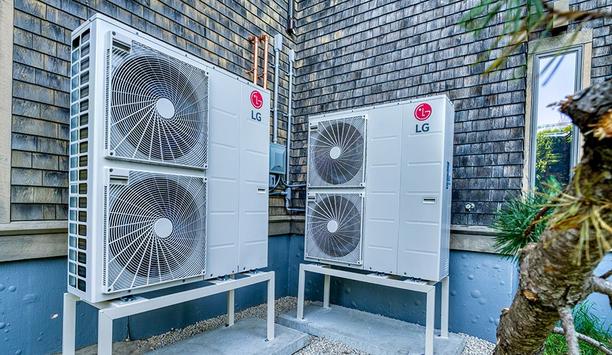
Debunking Myths To Promote A Bright Future For Heat Pumps
Download
Retrofitting HVAC Systems With EC Fans
Download
Optimizing Comfort: The Ultimate HVAC Component Guide
Download
Sealed Connectors: Enhancing HVAC System Performance And Longevity
Download
Heat Pump Innovations
Download
Home Energy Storage
Download
Harness The Heat
Download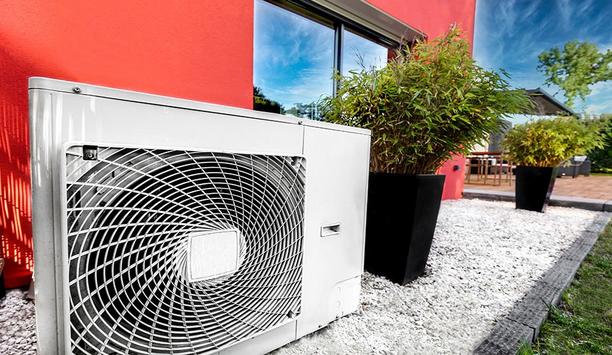
Harness The Heat, Pump Up The Savings
Download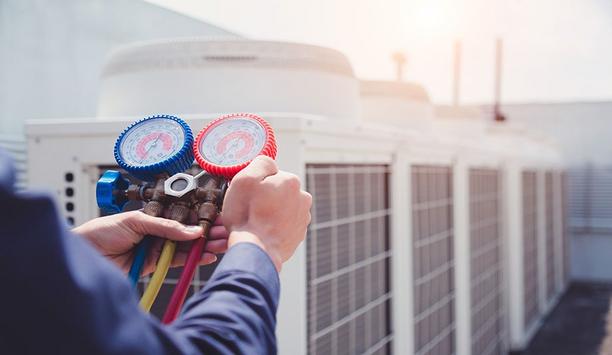
HVAC Systems In Harsh Environments
Download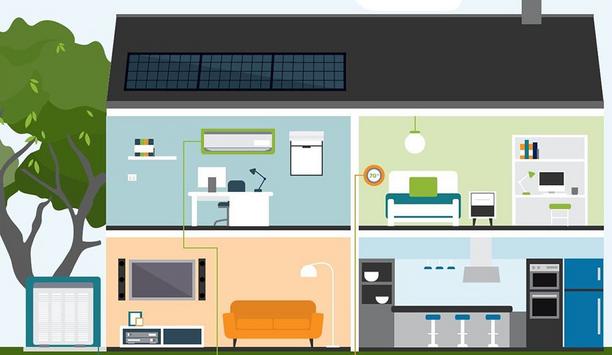
Connected Comfort Year-Round
Download
Sustainability, Reliability & Efficiency
Download
Future Proofing Your Building
Download
Solutions And Capabilities For Public & Affordable Housing
DownloadVideos


Residential HVAC: Manufacturers & Suppliers
- Bryant Residential HVAC
- YORK Residential HVAC
- Goodman Residential HVAC
- Daikin Residential HVAC
- Rheem Residential HVAC
- American Standard Residential HVAC
- Trane Residential HVAC
- Marley Engineered Products Residential HVAC
- Broan-Nutone Residential HVAC
- Lennox Residential HVAC
- Nortek Residential HVAC
- Luxaire Residential HVAC
- Frigidaire Residential HVAC
- Bosch Thermotechnology Residential HVAC
- Ducane Residential HVAC
- Revolv® Residential HVAC
- Carrier Residential HVAC
- Tempstar Residential HVAC
- Haier Residential HVAC
- Honeywell Home Residential HVAC

Safety Certification Of IT Equipment Cooling In Data Centers
Download
The Advantages Of Cooling Tower Retrofits Using EC Fan Arrays
Download
The Water Is Fine: Diving Into Air-To-Water Heat Pumps
Download
Heat Pumps: Expert Insights
Download
The Hidden Energy Drain
Download