Remote Monitoring

SmartAC, the premier B2B SaaS platform providing smart monitoring, analytics, and an end-to-end customer engagement for HVAC service providers to accelerate sustainable, long-term growth, has announced a strategic partnership with Simmons One Hour Heating & Air Conditioning™, a family-owned HVAC pioneer serving Fayetteville, Laurinburg, Pinehurst, and eight additional North Carolina markets. Through its partnership with SmartAC, Simmons One Hour continues to achieve over a 50% club me...

Quilt, the smartest way to heat and cool the home, now announced the closing of a $20 million Series B fundraising round, bringing its total funding to $64 million. The round was co-led by Galvanize and Energy Impact Partners (EIP), with participation from Gradient Ventures, Lowercarbon Capital, Incite Ventures, and Alumni Ventures. As demand for Quilt’s heat pump systems continues to grow, this investment will accelerate the company’s commercial expansion across the United States,...

Carrier introduces i-Vu® Pro v10, a next-generation building automation system (BAS) designed to help facilities of all sizes enhance operational efficiency, collaboration, and resilience. Designed for seamless integration with Carrier HVAC equipment, i-Vu Pro v10 provides facility managers and technicians with powerful tools to support smarter building performance and more connected stakeholder engagement. Carrier is a part of Carrier Global Corporation, a pioneer in intelligent clima...
tekmar, a Watts brand, has announced the launch of the new Smart Heat Pump Control System, designed to streamline the installation and operation of hydronic heat pump systems. This innovative controller offers flexibility and efficiency for residential and light commercial applications. Smart Heat Pump Control System The Smart Heat Pump Control System operates up to four heat pumps in either 2-pipe or 4-pipe configurations, with the ability to expand control to 16 heat pumps through optional...
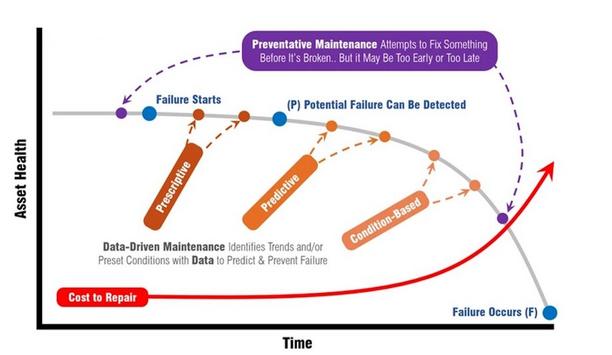
In the world of HVAC, maintenance is no longer just about fixing what’s broken — it's about predicting what will break before it does. As buildings become smarter and more reliant on digital systems, maintenance strategies are evolving too. The industry is seeing a major shift from traditional reactive maintenance toward predictive and condition-based maintenance models that leverage data and analytics to increase reliability and reduce costs. Let’s explore how these strategi...
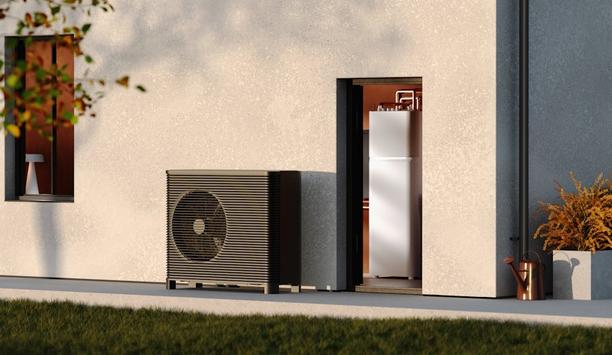
Aira introduces the new Aira Power range, completing the fully integrated Aira Home Energy System, designed to slash energy bills, decarbonize homes and accelerate Europe’s transition to affordable, secure and clean energy. Building on the success of its market-pioneering Aira Heat Pump, Swedish clean energy tech company, Aira, reaches a new milestone with the launch of two new products – the Aira Power Hub (inverter) and Aira Power Store (battery). Connected in one system, the...
News

Building on a successful partnership in Sweden and Denmark, ANEO Retail and Danfoss have identified significant opportunities together in the Nordic food retail market — not just for energy optimization, but for a broader shift in how technical infrastructure is procured and operated. ANEO retail offers a comprehensive Energy-as-a-Service (EaaS) model that enables retailers to subscribe to fully managed technical systems, thereby reducing capital investments, while ensuring stable operations, energy efficiency, and professionalized service and monitoring. All on-top of the already strong Danfoss Food Retail products including the Danfoss BOCK® Compressors & Controls Systems. ANEO Retail's two strategic steps To realize the market potential, ANEO Retail is taking two strategic steps: Consolidating all Nordic operations – Norway, Sweden, and Denmark – under one umbrella in ANEO Retail International and strengthening their collaboration with Danfoss as a strategic partner and investor bringing both financial strength and deep technical expertise. "This continued partnership is a game-changer for ANEO Retail — and for energy optimization in food retail. Danfoss is the ideal partner, not only because of their technical expertise, but because they share our vision for smarter, more sustainable store operations." "Together, we're positioned to accelerate the shift toward energy-efficient solutions across thousands of grocery stores," Kjetil Larsen, CEO of ANEO Retail. Danfoss invests to scale operations Danfoss will invest in ANEO Retail International over the coming years, reinforcing the partnership and enabling joint expansion across the Nordics. The investment will be used to accelerate expansion across the Nordics, strengthen operational capacity, and further develop ANEO Retail's EaaS offering. By combining Danfoss’ technology with ANEO Retail’s operational expertise, the partnership will meet growing demand from grocery retailers seeking smarter and more flexible infrastructure solutions. Now, ANEO Retail monitors and manages energy consumption in over 1,700 grocery stores across the Nordics within their range of services. Green transition in everyday operations "Expanding our collaboration with ANEO Retail into Norway is a natural next step. By combining our technology leadership with ANEO Retail’s operational expertise, we can help food retailers across the Nordics cut energy use, lower costs, and reduce emissions — all while ensuring reliable, future‑proof technical infrastructure." "This partnership is a perfect example of how we can accelerate the green transition in everyday operations," said Kristian Strand, President of Danfoss Climate Solutions.

Carrier Rental Systems supported Morrison Construction with a low‑emission, low‑noise temporary power package at the world‑renowned Old Course at St Andrews Links, enabling time‑critical drainage works for Scottish Water ahead of the 2025 golfing season. Carrier Rental Systems is part of Carrier Global Corporation, a global pioneer in intelligent climate and energy solutions. Founded in 1754, The Royal and Ancient Golf Club of St Andrews is among the most prestigious and historic golf institutions in the world. The Old Course, with records dating back to 1552 and widely regarded as the world’s oldest golf course, demands the highest environmental standards for any on-site activity. Renewing a water pipe Morrison Construction was tasked with renewing a water pipe from the Royal and Ancient Golf Club building to beneath the first tee and tenth green. Site installation, excavation and repairs had to conclude before the start of the golfing season 2025, requiring a dependable, low‑impact power source that would minimize noise and safeguard the sensitive landscape. Drawing on technology that had impressed Morrison Construction at a Carrier Innovation Day in Aberdeen, Carrier Rentals Systems provided an LPG generator paired with an X‑45 battery storage unit to cut emissions and reduce runtime. Transition to sustainable energy use An EV charger was included to support the site's transition to sustainable energy use, and a Panorama Monitoring System delivered real‑time data on CO₂ savings, fuel and power consumption, enabling fine-tuning of energy usage. Key performance and sustainability attributes included: LPG generator as a cleaner‑burning alternative to diesel, with associated EV charging capability. CO₂ reductions of 33% versus coal and 12% versus oil, plus almost no black carbon emissions (<0.1 mg/MJ). X‑45 battery storage that optimized fuel consumption on the project by 63%, cutting generator runtime and fuel dependency by storing surplus power and discharging on demand. Operating sound levels of 50–60 dB were lower than the ~97 dB typical of standard diesel units commonly used on projects of similar scale. Gas‑based fuel eliminates the risk of onsite spills or contamination, helping preserve the course’s pristine condition. Reducing CO₂ emissions The solution was installed and completed on time and ahead of the start of the 2025 golf season. By reducing CO₂ emissions compared with diesel alternatives, the project achieved a weekly carbon avoidance of 2.6 tons while maintaining the operational resilience required for critical underground works. Reduced runtime, lower noise output and smart battery integration delivered a quieter, less intrusive presence on one of golf’s most iconic landscapes. Carrier Innovation Day Jennifer Craig, Senior Buyer at Morrison Construction said, “We were impressed with the equipment on offer at a Carrier Innovation Day, so they immediately came to mind for this project. Their array of equipment, combined with their ability to find solutions for complex projects, made them the ideal choice.” “The ability to reduce fuel consumption and emissions while ensuring reliable power at such a prestigious location was invaluable.” John Gallagher‑Worthington, Sales Director, Carrier Rentals Systems, said, “Any project carried out on The Old Course demands the highest environmental standards. Our LPG generator and battery storage technology provided a clean, efficient and reliable power source that perfectly suited the site’s requirements.” “It was our pleasure to partner with Morrison Construction to find the right solution and ensure seamless delivery for such a historic site.”

Hitachi Cooling & Heating brand is proud to introduce the next-generation models within its airHome air-to-air heat pump range, designed to deliver enhanced comfort, refined design, and expanded functionality: The airHome Multi Pro, an updated fully customizable multi-split heat pump system, engineered for smart, connected climate control across a wide variety of residential and commercial environments. The airHome Floor, a new-generation sleek console unit, crafted for elegant integration and superior comfort in modern living spaces. These models represent the latest evolution of the airHome range, building on its proven performance with advanced features tailored to today’s needs. airHome Multi Pro airHome Multi Pro is a flexible multi-split air-to-air heat pump system designed to meet the needs of both residential and commercial environments. With capacities ranging from 3.6 to 10 kW, a single outdoor unit can support up to 5 indoor units – offering scalable comfort across various spaces. airHome Multi Pro delivers exceptional energy performance, with guaranteed cooling rated up to A+++ and heating up to A++. Inverter technology adjusts power output to demand, reducing energy consumption by up to 30% compared to traditional compressors. Broad selection of indoor units A broad selection of indoor units is available to suit different layouts and preferences: airHome 400, airHome 600 and airHome 800: wall-mounted models with built-in Wi-Fi, energy-saving modes and presence detection. airHome Cassette: Ceiling-mounted cassette units (600 x 600) with built-in humidity sensors, ideal for commercial applications. airHome Floor: Floor-standing units with built-in Wi-Fi and wide airflow and removable feet for flexible positioning. airHome Ducted: ducted systems for discreet, multi-zone control with space-saving installation – including the ultra-compact airHome Ducted Slim (P≤3.5kW). Cleaner air, smarter living Hitachi Cooling & Heating’s airHome range places indoor air quality at the forefront. airHome Multi Pro feature advanced air treatment technologies, including: FrostWash: A self-cleaning heat exchanger that helps prevent and eliminate pollutants Anti-virus filter with Zinc Pyrithione: Targets viruses, bacteria, odors and airborne particles ViroSense Z1: Enhances air purification for improved air quality Aqtiv-Ion: An ionizer that captures and neutralizes airborne particles The units are equipped with integrated Wi-Fi4 and are compatible with the airCloud Go app, allowing users to manage temperature settings remotely via smartphone, tablet or PC. Voice control is available through Google Home and Amazon Alexa, and geolocation technology enables automatic mode switching based on user presence – optimizing comfort and energy use throughout the day. airHome Floor With its curved lines, minimalist white front panel, and flush-mount installation option, the new airHome Floor console boasts a stylish design and integrates seamlessly into contemporary interiors. Suitable for both new builds and renovation projects, the unit provides reliable heating in winter and cooling in summer. airHome Floor is available in three capacities – 2.5, 3.5 and 5 kW – and delivers outstanding performance, with cooling rated up to A+++ and heating up to A++, ensuring year-round comfort while promoting long-term energy savings. Features Its whisper-quiet operation at just 20 dB(A), combined with bottom-up warm air diffusion – which helps prevent air stratification, particularly in rooms with high ceilings – ensures consistent comfort throughout the seasons. Standard features include built-in Wi-Fi, advanced air treatment technologies such as FrostWash, Anti-virus filter, Mould Guard (heat exchanger drying in cooling mode), and Aqtiv-Ion ionizer, along with remote control via the airCloud Go app and an LED-backlit handheld controller.

A recent domestic installation in Daventry, Northamptonshire highlights the growing demand for renewable heating solutions as homeowners move away from oil and LPG systems. When Zena Walker and Phil Payne purchased their property in Daventry, they inherited an ageing oil-fired boiler that was expensive and inconvenient to run. Within six months, they had spent over £1,000 on oil — prompting them to look for a more efficient, lower-carbon alternative. While visiting the Ideal Home Show they spoke with TV architect and Mitsubishi Electric Ecodan ambassador George Clarke about installing a heat pump. Renewable heating options The couple investigated renewable heating options and selected the Mitsubishi Electric Ecodan R290 8.0 kW air source heat pump, paired with a 250-liter Ecodan pre-plumbed cylinder. The system was installed by Garry Hamilton Ltd, who also upgraded the home’s radiators to optimize performance. The result is a modern heating system that provides steady, efficient comfort, while significantly reducing running costs and emissions. Zena and Phil also took advantage of the Boiler Upgrade Scheme (BUS), which offers grants of up to £7,500 to support the installation of air source heat pumps in existing homes — further improving the project’s affordability. Ecodan R290 series The Ecodan R290 series features a natural refrigerant with a low Global Warming Potential (GWP) of just 0.02, offering strong sustainability credentials and compliance with future low-GWP regulations. Integration with the MELCloud app allows users to monitor and control heating remotely, helping optimize efficiency and comfort. James Chaplen, Head of Product Marketing and Communications at Mitsubishi Electric, said: “This installation in Daventry is a strong example of how installers can help customers transition from oil to renewable heating. The Ecodan R290 range offers outstanding performance, simple controls, and a clear pathway to lower carbon heating. With the Boiler Upgrade Scheme still available, it’s an excellent time for the trade to engage homeowners in this transition.”

Resideo Technologies announced the industry-changing Honeywell Home ElitePRO smart thermostat, powered by Pro-IQ services. It delivers the precise comfort and reliability that HVAC contractors demand from Honeywell Home, America’s No. 1 most trusted thermostat brand,1 and goes beyond expectations to provide an intuitive user interface on Resideo's largest touchscreen ever. The new smart thermostat streams live video from compatible doorbells, offers seamless indoor air quality (IAQ) monitoring and control, and is ideal for customers seeking a stylish, smarter, energy-efficient solution. Honeywell Home ElitePRO smart thermostat “Our Honeywell Home ElitePRO smart thermostat is precision engineered to elevate home comfort and integrates smart home and style together in one premium device,” said Pat Tessier, Vice President of Product Development for Honeywell Home and First Alert solutions at Resideo. He adds, “Designed in partnership with our HVAC contractors, our top-of-the-line smart thermostat helps them boost labor efficiency, strengthen customer loyalty and drive leads – transforming every installation into an ongoing customer connection.” Honeywell Home ElitePRO S1200 Smart Thermostat The sleek Honeywell Home ElitePRO smart thermostat helps contractors deliver next-level comfort and convenience. With Resideo's First Alert app, homeowners can set up energy-saving features, manage schedules and add optional Smart Room Sensors. Key features and benefits include: Large, customizable touchscreen: The sleek, five-inch touchscreen enables intuitive temperature programming and customized idle screens that display information the homeowner wants to see – including a five-day weather forecast, digital clocks, and IAQ information – and offers design themes and color combinations to match home décor. Video doorbell streaming and intercom: Homeowners can view live video streams from First Alert or Ring doorbells and speak with visitors directly from the thermostat. IAQ monitoring and control: It’s compatible with a broad range of HVAC equipment and HVAC installers can easily upgrade a home’s IAQ without running additional wires using the equipment interface module. The smart thermostat monitors humidity, tracks volatile organic compounds, and estimates carbon dioxide levels. Intuitive professional installation: Built on the familiar Honeywell Home UWP wall-mounting plate, Honeywell Home ElitePRO smart thermostats are designed for seamless setup using the Resideo Pro App. Available in bold black or classic white models, the ElitePRO smart thermostat supports a wide range of HVAC system configurations, has dual-band WiFi compatibility, is Matter certified, and compatible with Amazon Alexa, Google Assistant and Apple Home for easy voice control. It’s shipping now and will be available through distribution partners in the U.S. and Canada later this month. Resideo Pro-IQ Services The Honeywell Home ElitePRO Smart Thermostat, powered by Pro-IQ services, helps HVAC contractors shift from reactive repairs to proactive, high-value and labor-efficient opportunities, expand their brand reach, and maintain an always-on connection with their customers. “The ElitePRO smart thermostat is a great opportunity to expand control and comfort to my customers,” said Scott Brown, Partner at James Brown Plumbing Heating & Air Conditioning, LLC, adding “I look forward to integrating the insights and capabilities from Pro-IQ services to help identify problems before they become emergencies and build stronger relationships with our homeowners.” Consistent workflows Delivered through the free Resideo Pro App and Pro Portal for easy configuration, Pro-IQ services enables consistent workflows and integration with client relationship management tools. With three levels of subscription service – Pro-IQ Install, Pro-IQ Engage, and Pro-IQ Analyze – it can help HVAC contractors: Streamline labor: One-touch template configuration in the Pro app helps ensure fast installation, drive consistent setup across all jobs and minimize errors. If modifications need to be made after installation, technicians can remotely configure and update in the Pro Portal – without rolling a truck. Increase loyalty: Contractors can display the company logo and contact information on the Honeywell Home ElitePRO smart thermostat’s large touchscreen and the First Alert app to expand brand visibility and enable one-click appointment scheduling for homeowners. Custom messages can also be placed in the app or smart thermostat to align with seasonal campaigns. Generate leads: Contractors can receive custom alerts before a homeowner's HVAC system needs attention and schedule an appointment when it's convenient – enabling proactive service that turns HVAC insights into value. New Pro-IQ services “Our new Pro-IQ services can turn every thermostat installation into an ongoing customer connection for our HVAC contractors, and is a force multiplier for their business,” said Pat Tessier, adding “Pro-IQ services will deliver a powerful growth engine to unlock new revenue streams and accelerate their business.” In addition to the ElitePRO smart thermostat, Pro-IQ services is available on First Alert smart water leak detection solutions, First Alert VX series cameras and Honeywell Home FocusPRO and T Series smart thermostats.
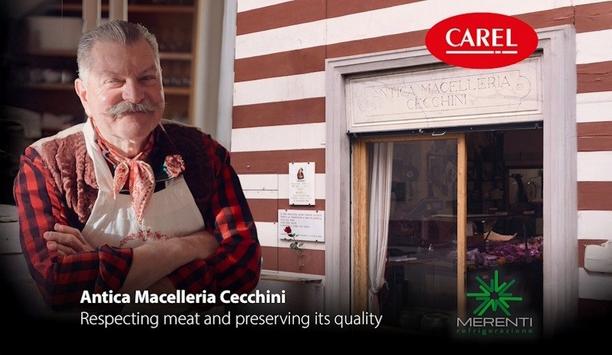
In the heart of the Chianti region, CAREL has supported Merenti Refrigerazione in developing a technological solution for Antica Macelleria Cecchini, designed to preserve the quality of the meat through precise control of temperature and humidity. The project successfully combines respect for traditional craftsmanship with the efficiency and reliability of advanced control systems. CAREL’s Ultracella technology The initiative stems from Dario Cecchini’s desire to ensure a slow, natural curing process that prevents surface drying and maintains the meat’s full organoleptic properties. This goal has been achieved thanks to CAREL’s Ultracella technology, which allows combined management of temperature and humidity parameters by modulating CAREL’s electronic ExV valves for precise control of dehumidification. In addition, the boss supervision system enables remote monitoring and maintenance, ensuring a stable, efficient, and high-quality process. Operational continuity and maximum efficiency Merenti Refrigerazione, a refrigeration specialist with long-standing experience in the sector and a CAREL partner for two generations, managed the design and installation of the system, ensuring optimal integration between the various technologies. Thanks to the remote monitoring system, Merenti can now oversee the curing rooms in real time and intervene promptly when needed, guaranteeing operational continuity and maximum efficiency. Craftsmanship and modern technology Dario Cecchini expressed his full satisfaction with the results: “These chambers make it possible to obtain simply better meat. It’s the perfect balance between craftsmanship and modern technology. Today, I can say that the meat coming out of these rooms has superior, consistent quality over time.” The outcome perfectly reflects Dario Cecchini’s philosophy, focused on reducing waste and making the most of every part of the animal. This collaboration demonstrates how innovation and tradition can work hand in hand to ensure quality, sustainability, and respect for artisanal heritage.

Expert Commentary

The data center market has shown robust growth over the past five years, with significant increases in capacity and electricity usage. According to the International Energy Agency (IEA), global data center electricity consumption was approximately 460 TWh in 2022, and it is projected to rise to over 1,000 TWh by 2026. This growth is driven by the increasing demand for digital services and the expansion of artificial intelligence (AI) workloads. In 2025, the total capacity demand for data centers is expected to reach 82 gigawatts (GW), with AI workloads accounting for 44 GW and non-AI workloads for 38 GW. By 2030, this demand is projected to increase to 219 GW, with AI workloads making up 156 GW. This significant growth underscores the importance of sustainable practices in the data center industry. Alternative Off-Grid Power Sources To meet the growing energy demands, data centers are increasingly turning to alternative off-grid power sources. These include solar power, wind turbines, micro-hydro power, and biogas generators. These renewable energy sources not only reduce the carbon footprint of data centers but also enhance their resilience by providing reliable power in remote locations. Green hydrogen, produced by electrolysis using renewable energy, also offers a sustainable alternative to traditional cooling methods, with the potential to significantly reduce greenhouse gas emissions. Continued Compute Growth and Liquid Cooling Nvidia's use of direct-to-chip liquid cooling and closed-loop systems has shown a 300x improvement The rapid growth in compute power, particularly with the introduction of platforms like Nvidia's NVL-576 600 kW, has significant implications for data center cooling. This platform, designed for high-performance AI workloads, requires advanced cooling solutions to manage the heat generated by such dense compute environments. Nvidia's use of direct-to-chip liquid cooling and closed-loop systems has shown a 300x improvement in cooling efficiency. Google's fifth-generation cooling distribution unit (CDU), known as Project Deschutes, is another example of innovation in this space. This CDU sidecar power rack supports up to 1 MW per rack, leveraging high-voltage DC power distribution to enhance efficiency and cooling capacity. Energy-Efficient Cooling Technologies Energy-efficient cooling technologies are critical for the sustainable operation of data centers. Some of the most promising technologies include: Direct-to-Chip Liquid Cooling: This method involves applying liquid coolants directly to the processors, providing superior heat dissipation and enabling servers to operate at optimal performance levels. Hybrid Rear-Door Heat Exchangers: These systems combine air and liquid cooling to manage heat more efficiently, particularly in high-density rack environments. Heat Reuse The elevated temperatures made by liquid cooling can also be harnessed in industrial processes Liquid cooling provides an additional opportunity to reduce energy consumption while enabling data centers to become contributors to community energy systems. Unlike traditional air cooling, which disperses heat into the atmosphere, liquid cooling captures heat more effectively, allowing the heat to be repurposed for the heating needs of nearby residential or commercial buildings. Heat pumps can be employed to raise the temperature of the excess heat to the temperature required by heating systems, resulting in greater energy efficiency. The elevated temperatures produced by liquid cooling can also be harnessed in industrial processes that require specific heat levels, such as pasteurization, drying or chemical processing. By utilizing this heat, industries can reduce their reliance on external energy sources, which in turn lowers operational costs and emissions. However, most areas in the U.S. lack the infrastructure to support district heating. Significant investment is required to develop the infrastructure needed to transport and utilize the heat, such as pipelines for district heating or retrofitting industrial processes. Depending on the region, there may also be legal or regulatory barriers to overcome. Policy and Community Engagement There is strong support for AI growth, with alliances involving companies like OpenAI and Meta Within the current U.S. administration, there is strong support for AI development, with partnerships involving companies like OpenAI and Meta. OpenAI, Meta, SoftBank and Oracle have joined forces for the Stargate Project, which aims to build AI data centers in the U.S. This project includes significant investments to create infrastructure that supports AI development. The Trump administration has identified 16 sites on federal land for the development of AI data centers. These centers are intended to provide the necessary processing capacity for machine learning, cloud storage, and AI systems. Heat reuse offers a powerful tool for sustainability and community engagement. By capturing and repurposing the waste heat, data centers can significantly reduce their environmental impact while providing tangible benefits to surrounding communities and industries. This approach not only supports decarbonization efforts but also fosters stronger ties between data centers and the communities they serve, creating a more sustainable and resilient future. Benefits and integration of data centers Data centers support local economies by creating jobs, providing reliable internet services Educating the community about the benefits of data centers is crucial to ensure the successful integration of data centers into local communities. Data centers support local economies by creating jobs, providing reliable internet services, and enabling technological advancements that improve quality of life. By highlighting these benefits, data centers can build stronger community support and enhance their social license to operate. The effort should combine outreach with online educational initiatives, collaborations with industry, academia, NGOs and multiple sources of in-the-field insight. Conclusion The data center market is poised for continued growth, driven by advancements in technology and increasing demand for digital services. By focusing on sustainability, heat reuse, and energy-efficient cooling technologies, the industry can meet this demand while minimizing its environmental impact. Engaging with communities and educating them about the benefits of data centers will further support the sustainable growth of this vital industry.

As demand continues to grow for sustainable, energy-efficient solutions in refrigeration and heating, both Europe and North America are navigating a rapid transition toward natural refrigerants. There is a strong demand for new CO2 systems, including heat pumps and various other applications. Higher capacity compressors with larger operating envelope, such as Danfoss’ Bock HGX56 CO2 T series, will play a critical role in supporting this growing need. Air to water heat pumps As shown in Figure 1 and Figure 2 below, the larger operating envelope of up to 77°F and 65 bar on the suction side can improve the COP by approximately 15% for applications with higher heat source temperatures – for example, air to water heat pumps in summer conditions. Transcritical CO2 figure. Larger operating envelope of up to 77°F and 65 bar on the suction side. Figure 3 below shows a typical layout of a CO2 transcritical air-to-water heat pump for large systems, designed with features to boost efficiency. Such systems are already being built in Europe, with the largest compressor options, and used in heating capacities of up to 2.5 MW per rack. Layout of a CO2 transcritical air-to-water heat pump for large systems. Cooling and Heating Working Together Transcritical supermarket applications with heat reclaim are very suitable for improving the version Transcritical supermarket applications with heat reclaim are very suitable for improving the overall refrigeration system performance. It is a highly efficient and resilient solution that provides simultaneous heating and cooling by recycling waste heat energy within the store. More than 2,000 installations across Europe and in other parts of the world have shown that the traditional CO2 weaknesses in refrigeration applications, such as high temperatures and pressures, can be turned into profitable advantages when adding heat reclaim to the system. In fact, the operational costs can be reduced by more than 20% by replacing conventional heating sources with heat reclaim, and the pay-back time of the heat reclaim installation is typically short, less than 2.5 years. At the same time, huge carbon savings can be made when the system is installed and maintained correctly. Additional Applications Transitioning to CO2 CO2 is increasing in popularity for cold storage and food processing, due to some challenges of using ammonia in states with a large number of regulations, as well as the desire for distributed systems when expanding plants and the advent of larger CO2 compressors. Some estimates show a 10% market transition to CO2 from ammonia and HFCs for systems up to 250 tons (880 kW). An example would be a cold storage facility requiring variable temperatures with stability/efficiency at partial load for garlic processing, storage and pre-cooling. The requirements for pre-cooling are 40°C/39.20°F, but for processing and final storage, −100°C/140°F is required. CO2 System Examples Single-stage transcritical CO2 applications are used in the field of medium temperature refrigeration Single-stage transcritical CO2 applications are used in the field of medium temperature refrigeration. They can be operated very efficiently, if the high pressure is operated in the subcritical range over a long period. Using the high-pressure side, it is appropriate to use the application in the transcritical range in combination with refrigeration, due to a large temperature glide and a relatively high discharge end temperature for specific heat pumps and the heat recovery. In CO2 applications in low and medium temperature refrigeration, so-called booster systems are used. High-pressure CO2 gas from the low-temperature compressor is discharged directly to the suction side of the second compressor stage. Different plant constructions of these Booster applications are used, for example, in supermarket applications. In a cascade system, different refrigerants are used in an application. They are combined in two refrigerating circuits that are separated from each other. The high temperature stage is used as a condenser in the CO2 application. It is possible to use different refrigerants like hydrocarbons, ammonia, and HFCs like R-134A. Keys to a Successful Installation Proper oil levels, adequate space for maintenance and ventilation, environmental conditions and surface setup with sufficient load-bearing capacity are all critical initial items to consider. Once these items have been considered and addressed properly, then you need to take extreme care during the soldering - cooling the valve body during and after and only using inert gas to inhibit oxidation products. The actual required pipe cross-section must be matched to the output. The tube must be sawed at a right angle with the angular tolerance being ±10. Pipes and system components must be clean and dry inside and free of scale, swarf and layers of rust and phosphate. Only use hermetically sealed parts. Lay pipes correctly. Suitable vibration compensators must be provided to prevent pipes being cracked and broken by severe vibrations. Ensure a proper oil return and keep pressure loss to an absolute minimum. Suction and discharge should be depressurized prior to connecting to the refrigerant system. Proper layout of the suction and pressure lines directly after the compressor is integral to the smooth running and vibration behavior of the system. Oil return function To ensure the oil return function will work reliably no matter what kind of system configuration you are using, Danfoss recommends incorporating oil separators or oil level monitoring equipment. For systems with long pipes and higher degree of contamination, a filter on the suction-side is recommended. When attaching accessories with an electrical cable, a minimum bending radius of 3x the cable diameter must be maintained for laying the cable. Voltage and frequency values Compare the voltage and frequency values with the data for the mains power supply Connect the compressor motor in accordance with the circuit diagram (see inside of terminal box). Compare the voltage and frequency values with the data for the mains power supply. Only connect the motor if these values are the same compressors marked in this way are suitable for direct or part winding start. The motor winding is divided into two parts: part winding 1 = 50 % and part winding 2 = 50 %. This winding division reduces the start-up current during a part winding start to approx. 50 % of the value for a direct start. Reversed fields of rotation In the factory, as shown below in Figure 4, the motor is switched for direct starting (YY). For part winding start (Y/YY), remove the bridges and connect the motor feed cable according to the circuit diagram. The motor is switched for direct starting (YY). Failure to comply results in reversed fields of rotation and can cause motor damage. After the motor has started up with part winding 1, part winding 2 must be switched on after a maximum 1-second delay. Failure to do so can be detrimental to the service life of the motor. Ensure that power is supplied via QA2 to winding 1 (50%) (1U1/1V1/1W1) and via QA3 to winding 2 (50 %) (2U1/2V1/2W1). The motor contactors (QA2/QA3) are each to be rated for approx. 50% of the maximum operating current. Danfoss BOCK compressors Transcritical CO2 compressors, like the Danfoss BOCK product line, offer a wide span of capacities with up to 162 kW of cooling capacity (14°F/95°F/18R/60 Hz) and 420 kW of heating capacity (41°C/77°C (100 bar)/18R/60 Hz) for many different product applications, including food retail, heat pumps, district heating, industrial refrigeration and process heating, reversible chiller/heat pumps for HVAC, cold storage, chillers, and data centers. Low and medium temperature levels are available, with high stand still pressures. This high capacity reduces the need for multiple compressors, simplifying system design and reducing investment costs. The Danfoss BOCK compressors also feature a high-pressure rating of 130 bar in operation/150 bar at stand still on the high side and 65 bar in operation/100 bar at stand still on the low side.

Although energy efficiency continues to be a focus of home renovation, HVAC professionals are sometimes hesitant to work on older homes. The potential costs and complexities of replacing outdated HVAC systems or installing a solution where one doesn’t exist can make them nervous. However, installing all-electric, all-climate heat pumps in homes built decades ago, even a century ago, is an everyday occurrence in the northeastern U.S. Heating and cooling systems A sizable portion of Jay Moody Heating & Air Conditioning consists of installing and servicing energy-efficient heating and cooling systems, especially heat pumps, in older homes in central Massachusetts. Updating older homes with heat pump solutions is more feasible than many think — it’s a matter of overcoming common barriers and being the right, experienced HVAC professional for the job. Common barriers when heating and cooling an older home In Massachusetts, it’s common to have one or more 275-gallon tanks of oil in the basement to heat homes Barriers to renovating older homes are surmountable. Commonly, older homes lack adequate filtration and insulation and are equipped with older electrical panels that might need upgrading or replacing. In Massachusetts, it’s common to have one or more 275-gallon tanks of oil in the basement to heat homes. However, whether an older home is heated with oil or gas, outside air infiltration occurs because these structures generally lack a tight building envelope. More recently built homes have these systems to prevent outside air and water from penetrating the structure. Similarly, many older homes are insufficiently insulated. Size of the structure and other electrical loads As a first step, owners of older homes should get an energy audit and find out what can be done to eliminate infiltration, such as having air sealing performed and having more insulation blown into their houses. Once weatherization is complete, installing an all-electric heat pump system becomes more feasible. Another important requirement would be an appropriately sized electrical panel. Older homes might have 100 amps of service, for example, when it will need 200 amps for the new heat pump, depending on the size of the structure and other electrical loads such as electric stoves/ovens, water heaters, and electric vehicles. In some cases, an electrical panel upgrade may be required. Attributes homeowners look for in an HVAC company HVAC companies that specialize in heat pumps should ensure their HVAC technicians are shared and ongoing training When upgrading an older home with a heat pump system, it’s a best practice for homeowners to get multiple quotes from experienced contractors in their service area. To stand out and offer more value during this process, my business conducts monthly heat pump workshops that help educate customers. Additionally, I recommend that any experienced, reputable HVAC company should post online reviews, have a professional website and online presence, and show relevant work examples to help familiarize homeowners with their work. HVAC companies that specialize in heat pumps should ensure their HVAC technicians are experienced and undergo ongoing training. In fact, the Jay Moody team is part of the Mitsubishi Electric Diamond Contractor® program, which provides in-depth training on heat pump solutions. Homeowner’s comfort preferences During the in-home consultation, the salesperson should discuss the homeowner’s comfort preferences, HVAC concerns, and short- and long-term plans for the home and its HVAC system. The contractor should conduct an in-house Manual J to calculate the heating and cooling loads of the home, ensuring proper HVAC equipment sizing for efficient and comfortable performance. Lastly, the HVAC salesperson should make suggestions for keeping the aesthetics of an older home intact. For instance, my team would not use mini-splits in certain rooms in a Victorian home because they might detract from the style. Instead, they would likely suggest a ducted heat pump system with air handlers and stylish vents. HVAC salesperson should make suggestions for keeping the aesthetics of an older home intact. Heat pumps offer the right fit for homes of all ages In the Northeast, many of the homes are older – whether that means built in the 1960s, the 1860s, or the 1760s. There’s little reason that any HVAC contractor should shy away from installing heat pump systems in older homes. Further, contractors can learn how to teach homeowners about heat pumps, train their teams, and recommend the right system for the character of the house. Refurbishing these beautiful houses is a challenge well worth tackling to create homes as energy-efficient and comfortable as they are charming.
Editor's Note

As the skilled workforce retires, college costs rise, and demand grows for hands-on careers, there has never been a better time for apprenticeships in industries like HVAC. As more people seek alternatives to traditional four-year degrees, vocational training offers a faster, more affordable path to meaningful work, and apprenticeships can play an important role. Apprenticeships come in many different forms, but all programs strive to build knowledge and skillsets for employees. Apprenticeships provide a long-term solution to labor shortages by developing a workforce that is trained, engaged, and aligned with industry needs. Ziehl-Abegg apprenticeship program The success of the Ziehl-Abegg training program suggests options to embrace a similar approach In the HVAC market, fan manufacturer Ziehl-Abegg offers an apprenticeship program that is a structured, rotational experience designed to prepare individuals for long-term careers in ventilation and advanced manufacturing. The success of the Ziehl-Abegg apprenticeship program suggests opportunities to embrace a similar approach throughout the HVAC industry. At Ziehl-Abegg, apprentices receive hands-on training across core business functions, including engineering, operations, sales, logistics, and assembly. The immersive approach ensures they not only develop technical skills but also understand how departments work together. Benefit from apprenticeships “The program strengthens retention, builds internal expertise, and aligns with our long-term growth goals,” says Layel Burton, Ziehl-Abegg’s Apprenticeship Coordinator. “By training apprentices in-house, we cultivate a workforce deeply familiar with our products, systems, and culture — creating highly capable employees who can grow with us as we expand our North American operations.” Businesses benefit from apprenticeships by gaining talent trained to meet specific needs, while communities gain a more resilient workforce. At Ziehl-Abegg, apprenticeships have helped to bridge labor gaps and to scale with confidence. With proper investment, apprenticeships can reduce unemployment, drive innovation, and help rebalance the economy by elevating careers that are essential but often underrecognized. Front lines of HVAC performance Contractors should understand how a fan or system was designed and tested at the manufacturing level Installers and contractors are on the front lines of HVAC performance, and well-structured apprenticeships can give them the technical depth and context needed to excel. When contractors understand how a fan or system was designed and tested at the manufacturing level, they are better equipped to install and troubleshoot it correctly, Burton contends. “Our apprenticeship program teaches the ‘why’ behind the ‘how,’ which is something the entire HVAC chain can benefit from,” says Burton. “Manufacturers, service companies, and distributors alike should invest in mentoring programs to create field professionals who are not only capable but confident and connected to the bigger picture.” Skilled roles in ventilation and advanced manufacturing The Ziehl-Abegg program exposes apprentices to every major department — from engineering and logistics to quality and production. This cross-functional experience prepares them to step into skilled roles in both ventilation and advanced manufacturing. “Apprentices graduate not only with technical skills but also a deep understanding of our business, making them agile, dependable team members who are ready to support growth in the HVAC sector,” says Burton. Apprentice programs offer a range of benefits at any level of the HVAC supply chain. Structured partnerships Structured alliances among schools, firms, and rules ensure even training and smooth workforce entry Ziehl-Abegg is a German company, and in Europe, apprenticeships are deeply embedded in the education system and viewed as a respected career path—not an alternative to college, but a parallel track. Structured partnerships among schools, businesses, and government ensure consistent training and smooth workforce entry. In the U.S., apprenticeships are gaining momentum, but still lack the widespread infrastructure and cultural normalization seen in Europe. “At Ziehl-Abegg, with roots in Germany, we have adapted that model to our North American operations,” says Burton. “The U.S. can learn from Europe’s commitment to workforce alignment by promoting apprenticeships early, building stronger industry-education pipelines, and removing the stigma from vocational training.” Proficiency, thinking, and collaboration skills How can a company find great apprentice candidates? “A good apprentice brings curiosity, reliability, and a willingness to learn,” says Burton. “At Ziehl-Abegg, we look for individuals who show interest in hands-on work, ask questions, communicate well, and have a strong work ethic.” While technical knowledge is helpful, attitude and drive matter more, he notes. “Our program helps build confidence and competence by exposing apprentices to real responsibilities and rotating them through engineering, production, and logistics.” This experience develops technical proficiency, critical thinking, and collaboration skills. Apprentices leave the program not only prepared to take on a skilled role—but also with the mindset to grow into future pioneers. Aptitude and ambition to learn Baxley was a good match for the program because he had the aptitude and ambition to learn and work Joshua Baxley, Ziehl-Abegg Technical Sales Rep, Global Key Accounts, was an apprentice before joining the team full time. “I was drawn to apprenticeships because I was uncertain of what I wanted to do with my career,” says Baxley. “The apprenticeship program with Ziehl-Abegg provided an excellent opportunity to discover what type of career and profession I wanted to pursue by providing me the opportunity to work in all the departments at the company while paying for my education.” Baxley was a good match for the program because he had the aptitude and ambition to learn and work hard each day. These attributes helped him become knowledgeable of the company and the products as well as building strong relationships with colleagues. Four years of on-the-job experience The program allowed Baxley to get his foot in the door and gave him the opportunity to gain four years of on-the-job experience by the time he graduated. “All of this gave me the confidence each day to interact with customers and become well-versed in the world of engineering and sales,” he says. “The unexpected benefit I received from the program are the relationships and connections I was able to build throughout the company and the industry.” “The apprenticeship at Ziehl-Abegg provided me with like-minded people my age that I created close friendships with while also building relationships with the people in each department I worked in,” says Baxley. “I highly suggest anyone to join apprenticeships if they have any uncertainty on their career path or if they can find an apprenticeship that matches their career choice and interest.”

Viessmann Climate Solutions (VCS) has combined with Carrier to become the core of Carrier’s newly formed business unit Residential and Light Commercial for European, Middle East and Africa. This business unit is now able to offer brands like Carrier, Toshiba, and Beretta next to the premium brand Viessmann, thus covering additional user segments with differentiated products at various price points. Climate system technology “The climate system technology of Viessmann Climate Solutions and the cooling-focused systems of Carrier combine two core competencies that will be crucial in responding to individual customer needs worldwide,” says Thomas Heim, President, Residential & Light Commercial HVAC for Europe, Middle East, and Africa. “Carrier expands the Viessmann portfolio in the area of air conditioning and enables seamless integration of heating and cooling.” Carrier’s acquisition of Viessmann Climate Solutions There was huge media interest in Carrier’s buy of Viessmann Climate Solutions when it was revealed There was huge media interest in Carrier’s acquisition of Viessmann Climate Solutions when it was announced more than a year ago. In media interviews, Carrier Chairman & CEO David Gitlin; Max Viessmann, CEO and Member of the Executive Board of the Viessmann Group, which owned Viessmann Climate Solutions prior to Carrier’s acquisition; and Heim presented the many advantages the combination would bring. Advantages apply both to the product portfolios, which perfectly complement each other, and to the optimized development of global markets. A year later, the feedback is extremely positive, says Heim. Latest developments in the Viessmann system The sentiment was confirmed by numerous conversations with installers at the ISH 2025 trade fair in March in Frankfurt. “The advantages of this combination between Viessmann Climate Solutions and Carrier are clearly noticeable for everyone involved,” says Heim. The latest developments were well received by the 100,000 visitors to the booth at ISH, with particular interest in the Viessmann system connecting several products into a solution based on full stack controls platform Viessmann One. Residential and commercial sector customers The alliance meets the needs of residential and commercial sector clients with a multi-brand portfolio Also at ISH, Viessman highlighted the newly created alliance of Viessmann, Carrier, Riello, and Beretta around the theme “Power Play as One Team.” The alliance meets the needs of both residential and commercial sector customers with a multi-brand portfolio of heating, ventilation and cooling solutions for all output ranges and price levels. “Together with Carrier, we are in an even better position to provide solutions that address climate challenges by reducing CO₂ emissions and increasing energy efficiency,” says Heim. Digital tools and ecosystems The expanded product line builds on the strong longstanding collaboration of Viessmann Climate solutions with installation partners. For example, the addition of (light) commercial Carrier heat pumps to the portfolio enables leveraging together existing digital tools and ecosystems with this expanded offering. “This increases the relevance of our ecosystems for both our installers and users,” says Heim. Culture of collaboration The focus from the start has been on creating a culture of collaboration among both teams When integrating companies, it is always about bringing people together and providing a framework that allows them to unlock their full potential, says Heim. Thus, the focus from the beginning has been on creating a culture of collaboration that allows the teams from both companies to contribute their unique talents and strengths. “We are convinced that we have found the right formula and that combining Carrier and Viessmann Climate Solutions will lead to 1 + 1 > 4,” he says. “To get there, our shared purpose and values play an important role in this successful integration.” Carrier product portfolios “Companies can only be successful if they think and act globally and operate in a spirit of co-creation,” says Heim. Combining the Viessmann Climate Solutions and Carrier product portfolios creates added value for all installation partners and users. The increasing complexity of the HVAC industry is contributing to a trend toward company consolidation. “Let's be honest: in the past, you simply installed a gas boiler,” says Heim. PV installation They also offer a design tool on the Internet and even financing with the help of a partner bank Heim added: “Today, it's often about heat pumps, battery storage, photovoltaics, wall boxes and an energy management system that links everything together. It's all extremely complex. That's why we are constantly training our installers and at the same time reducing their workload." "Many of our installers don't want to climb on a roof, which is fine. We then look for facilitating a service provider that adds the PV installation to the holistic offering of our partner company.” They also offer a configuration tool on the Internet and even financing with the help of a partner bank. Climate-neutral by 2050 Data centers will also play a bigger role in the future. For example, a typical office building in Manhattan requires only three cooling units, while a data center they are currently working on requires 140. An AI chip generates seven times more heat than a conventional chip. “This market is huge, and we are determined to play an important role,” says Heim. The building sector produces 40 percent of CO2 emissions in Europe. Therefore, a transformation to renewable energies is necessary to become climate-neutral by 2050. Viessmann products and systems “For us, as a manufacturer, this means that we continue to encourage the building electrification system strongly,” says Heim. Viessmann products and systems offer installers the basis for a sustainable climate solution offering for their users. Almost all areas, from single- and multi-family houses to commercial and industrial buildings and municipal facilities, can be covered by the system portfolio. New hydraulic interface Regardless of the outdoor unit (ODU), the new components always match the indoor unit (IDU) Heim highlights three notable products as part of the Viessmann System Solution. Users can now choose between the high-efficiency, high-comfort Vitocal 250-A and the more economical Vitocal 150-A domestic air source heat pumps. Regardless of the outdoor unit (ODU), the new components always match the indoor unit (IDU). This high level of flexibility pays off for the installers in significantly shorter installation times, and users only pay for what they actually need for their heating system. The new hydraulic interface also saves time during installation. Vitocharge VX3 storage unit The Vitocharge VX3 storage unit is one of the most proven battery storage units in its class. Its maximum storage capacity of 75 kWh (5 modules of 15 kWh each) is particularly suitable for large, detached houses and apartment blocks, as well as for smaller commercial applications such as supermarkets or craft businesses. Following on from the large power classes, the smaller modules can now also be cascaded at 4.6 kVA. Flexible installation options are now available, including corner or horizontal mounting, which allow for optimal adaptation to on-site conditions.

Does anyone still think that heat pump technologies for residential applications are ineffective in cold climates? If so, they are missing opportunities available through advancements in heat pump technology. New developments in heat pumps are significantly transforming the residential HVAC market. These advanced heat pumps can maintain 100% heating capacity at 0 degrees F and operate efficiently at low temperatures. Secondary heat sources These capabilities reduce the need for secondary heat sources, leading to lower energy consumption and a reduced carbon footprint. By leveraging variable-speed technology and intelligent controls, newer systems optimize energy use, providing homeowners with both comfort and sustainability. Modern heat pumps, such as Carrier's Infinity® Variable-Speed Ultimate Cold Climate Heat Pump with Greenspeed® Intelligence, are designed to operate efficiently at temperatures as low as minus 23 degrees F, according to Carrier. Energy savings and total comfort Additionally, for those homeowners who are hesitant to make a full swap, dual fuel technology “These systems provide reliable heating even in the harshest conditions, often eliminating the need for secondary heat sources,” says Nick Arch, Carrier’s Vice President and General Manager, Residential Solutions. Additionally, for those homeowners who are hesitant to make a full swap, dual fuel technology, in which a heat pump is paired with a gas furnace, offers an optimal solution. “The system defaults to the gas furnace depending on the outside temperatures, allowing homeowners to experience energy savings and total comfort in harsh climates,” says Arch. “By leveraging advanced technologies, heat pumps now offer a sustainable and efficient solution for year-round comfort in any climate.” Cold Climate Heat Pump Challenge Driving innovation in heat pump technology has been the participation by Carrier and other manufacturers in the U.S. Department of Energy’s (DOE) Cold Climate Heat Pump Challenge. The challenge required heat pumps to operate efficiently at temperatures as low as minus 15 degrees F, pushing manufacturers to innovate in areas such as variable-speed compressors and advanced controls. Carrier's Infinity® Variable-Speed Ultimate Cold Climate Heat Pump with Greenspeed® Intelligence was developed as part of this initiative and has demonstrated exceptional performance in harsh climates. Benefits of newer technologies Carrier has established state-of-the-art training centers, such as one in Indianapolis “Carrier's successful completion of the challenge underscores our commitment to delivering high-efficiency, reliable heating solutions for cold climates,” says Arch. Carrier is also committed to educating both the dealer/installer community and consumers on the benefits of newer technologies through various initiatives. Carrier has established state-of-the-art training centers, such as one in Indianapolis, to provide hands-on training and certification programs. operation of new heat pump systems Additionally, Carrier offers online courses and resources through its My Learning Center, covering topics such as new refrigerants, system installation, and maintenance. For consumers, Carrier provides detailed information on its website and through marketing campaigns, highlighting the energy efficiency, environmental benefits, and advanced features of its latest heat pump technologies. Intelligence plays a crucial role in the operation of new heat pump systems. For example, Carrier's Greenspeed Intelligence integrates advanced sensors and controls to optimize the performance of heat pumps. It allows the system to adjust its output based on real-time conditions, ensuring maximum efficiency and comfort. Cold Climate Heat Pump with Greenspeed® Intelligence Carrier is expanding the capabilities of dealer/installers via its Connected Portal For instance, the Infinity® Variable-Speed Ultimate Cold Climate Heat Pump with Greenspeed® Intelligence can modulate its capacity between 30% and 100%, providing precise temperature control and reducing energy consumption. This intelligent operation enhances the overall reliability and efficiency of the system. When it comes to heat pump technology, Carrier is expanding the capabilities of dealer/installers through its Connected Portal, advanced diagnostic tools, and the integration of InteliSense Technology. Remote monitoring capability The Connected Portal allows dealers to monitor HVAC systems remotely, providing real-time data on system performance and health. This remote monitoring capability enables dealers to detect issues early, schedule maintenance proactively, and ensure optimal operation. “InteliSense Technology uses cutting-edge sensors to communicate with the system via the thermostat, storing data in the privacy-protected Carrier cloud, and delivering it remotely to Carrier experts,” says Arch. “This allows for accurate troubleshooting and maintenance, reducing downtime and improving service efficiency.” These advancements help improve customer satisfaction and reduce downtime, he says. Advanced defrost technology The precise control provided by this technology enhances the reliability and efficiency of the heat pump Carrier heat pump systems also feature advanced defrost technology that monitors the outdoor coil for the presence of frost. The system uses sensors to detect frost buildup and adjusts the compressor speed to initiate defrosting. Once the frost is melted and drained, the defrost mode concludes automatically. This functionality ensures timely and efficient defrosting, thus minimizing energy waste and maintaining optimal system performance. The precise control provided by this technology enhances the reliability and efficiency of the heat pump. Step in reducing the GWP of heat pumps The transition to R-454B refrigerant, known commercially as Puron Advance™, has been a significant step in reducing the global warming potential (GWP) of heat pumps. Carrier has worked diligently to ease the transition for the dealer/installer community by providing comprehensive training and resources since 2023, says Arch. “The new refrigerant is a near drop-in replacement for R-410A, with similar operating pressures and temperatures, making the transition smoother for technicians,” he adds. Carrier has also conducted extensive field trials and developed detailed guidelines to ensure that dealers and installers are well-prepared for the changeover, minimizing disruption and ensuring a seamless transition.
Case studies

The Holiday Inn Express San Diego South – Chula Vista is a contemporary 3-star hotel with 88 spacious guest rooms across four floors. The property offers easy access to downtown San Diego, the Gaslamp Quarter, San Diego Zoo, beaches, and the Convention Center – making it a popular choice for both business and leisure travelers. Amenities include a year-round outdoor pool and hot tub, fitness center, business facilities, and free parking. Competing in one of the nation’s most demanding hospitality markets, the hotel is constantly looking for ways to improve efficiency and service. Smart thermostats General Manager Victor M. Carrera recently introduced Anacove AI-powered Smart Thermostats To meet these challenges, General Manager Victor M. Carrera recently introduced Anacove AI-powered Smart Thermostats and Asset Tracking devices, along with an initial pilot of the company’s Staff Alert Smart Nametag solution. All are controlled through the easy-to-use Anacove Smart Dashboard, which provides real-time insights without adding complexity for staff, generating monthly flash reports summarizing energy savings and asset activity. The deployment quickly delivered measurable results. Energy savings “We’ve already noted measurable energy savings and project results in line with our sister hotels,” said Carrera. “I’ve also been very impressed by the Anacove Smart Thermostat’s ability to pre-cool rooms before arrival, a great advantage that improves guest satisfaction while also reducing HVAC strain. The system also flags malfunctioning AC units early, allowing us to deploy our maintenance teams before problems escalate – helping to reduce repair costs and mitigate guest complaints.” Energy efficiency There has been a clear drop in monthly electric bills and lower kilowatt-hour usage Energy efficiency was the most immediate benefit. There has been a clear drop in monthly electric bills and lower kilowatt-hour usage, in line with other Holiday Inn Express properties. A previous trial by Holiday Inn parent company IHG Hotels & Resorts showed Anacove Smart Thermostats significantly reducing HVAC energy use. With savings of 30-40% on average and a payback period of 12-14 months. San Diego is reporting similar results, according to Carrera. Anacove Asset Tracking Devices Operational gains go beyond HVAC. By tagging luggage carts and cribs with Anacove Asset Tracking Devices, the hotel has virtually eliminated losses and has slashed retrieval times. Staff can now instantly locate equipment for reassignment or billing via the dashboard, eliminating one of the most common frustrations in hotel operations. This accountability saves time and ensures items are always available for guests. Remote AC control “With remote AC control, front desk teams can fix room comfort issues instantly without sending maintenance, remotely via the simple dashboard from the front desk – eliminating the need to physically go to the room,” explained Carrera. “That frees them up for other tasks and means guests benefit from quicker, more efficient service. Being able to easily locate hotel collateral is a boon too. All of these time savings are already feeding into better guest satisfaction and will likely reduce our payroll costs in the long run.” Staff safety Staff safety has also been strengthened through location-enabled name tags, currently in use by a third of the 30-strong team. Initially met with caution, the devices have quickly proven their worth. They allow for rapid response in emergencies – especially in areas not covered by cameras – and provide hotel management with data on room servicing times, which helps improve training and workflows. Support and affordability Carrera praised Anacove’s attentive support and affordability compared to larger competitors Reflecting on the rollout, Carrera praised Anacove’s attentive support and affordability compared to larger competitors. Keen to work closely with Anacove on any potential improvements, he suggested dashboard enhancements such as a map-based view to visualize asset and staff locations, and also expressed interest in predictive diagnostics – such as identifying AC compressor issues before failure – that could further reduce costs. User-friendly dashboard “I’m delighted with both Anacove’s solutions, backed up by the user-friendly dashboard, and the company’s close involvement with the requirements of our business,” Carrera said. “We’ve seen electric bills go down, we can pre-cool rooms for our guests, and we’re identifying non-working AC units faster.” He added: “The identifiers for luggage carts and cribs have minimized losses and improved accountability, and the name tags with location devices enhance staff safety and allow us to monitor performance. Anacove’s support has been excellent, and their solutions are cost-effective compared to others in the market.” AI-driven Anacove’s solutions By adopting AI-driven Anacove’s solutions, the Holiday Inn Express San Diego South – Chula Vista has established itself as a sustainable, efficient, and forward-thinking hospitality property in a highly competitive market, where guest expectations are high and operational margins are tight. With technology that is both powerful and simple to use, the hotel is reducing energy and payroll costs, strengthening safety, and enhancing the guest experience – illustrating how smart systems can deliver a genuinely competitive edge in modern hospitality.

As part of its commitment to champion healthy indoor environments, Carrier has teamed up with the American Lung Association to support indoor air quality (IAQ) research in schools through the development of a case study on IAQ and its impact on student well-being. The American Lung Association is a national non-profit committed to improving respiratory health through education and research. Unhealthy air conditions The study highlights the correlation between IAQ, student health and academic performance The Data-Driven Indoor Air Quality in Schools Study was conducted at Lakes International Language Academy (LILA), an International Baccalaureate World School serving pre-K through 12th-grade students in Forest Lake, Minnesota. The study highlights the correlation between IAQ, student health, and academic performance. According to the American Lung Association, unhealthy air conditions have been proven to increase airborne illnesses, initiate frequent asthma attacks and hinder academic success. Indoor air quality "Carrier is proud to collaborate with the American Lung Association to help schools create healthier, more productive learning environments," said Gaurang Pandya, President, Climate Solutions America, Carrier. He adds, "With individuals spending over 90% of their time indoors, indoor air quality isn’t just important — it’s essential. Carrier offers a full suite of solutions schools need to improve air quality, support student well-being, and build trust with families and communities." Carrier donated products and services Carrier donated products and services, including 137 air quality sensors, 70 cellular hubs In addition to supporting the IAQ research, Carrier donated products and services, including 137 air quality sensors, 70 cellular hubs, sensor installation, and an HVAC assessment. The school also received one year of access to Carrier Abound, an open digital platform that connects with equipment or hardware and provides real-time metrics to help determine whether a building is healthy and sustainable. Carrier’s innovative solutions With assistance from Carrier’s innovative solutions, researchers were able to identify several actionable interventions that may help improve the school’s IAQ. By prioritizing regular HVAC maintenance, monitoring systems and adjusting HVAC schedules during peak hours, administrators can make informed, timely decisions to support student health. Findings from this research equip schools, such as LILA, with the tools to create IAQ Management Plans to sustain high air quality standards.

With a reputation for uncompromising integrity, HDG Legacy is an experienced voice in the hospitality industry for those looking to build, own, and operate hotels. As both a respected developer and preferred management company, the Legacy team employs its core values of teamwork, communication, innovation, leadership and resourcefulness, and has an established reputation for positively impacting the hospitality sector. Currently, Legacy manages and maintains nine hotels that it owns, with its tenth opening July 2025. Rising energy and water costs A commitment to improving and innovating hotels means that Legacy is alive to the economic challenges facing hoteliers, not least in operational challenges because of rising energy and water costs. With profit margins often razor-thin, even small innovations can mean the difference between profit and loss, so it was no surprise that Legacy looked to Anacove’s unique AI- and Cloud-powered Smart Thermostats, Leak Detection and Asset Management systems to help give its hotel clients the edge in their energy and water management. Anacove’s Smart Thermostats “One of my core beliefs is that operating a business that respects the environment in terms of how resources are utilized is important just because that's the right thing to do – but there's also an economic benefit,” explained Navroz F. Saju, Founder and Principal at HDG Legacy. “We initially tested Anacove’s Smart Thermostats across our express properties, before piloting them in one of our larger hotels, and we were so impressed with the results (we actually have the data showing the savings for 2024-25 thus far – very impressive!) that we are looking to roll out the solutions across our other properties.” Electricity consumption reduced He continued, “We started using Anacove Smart Thermostats in July 2024 at the Holiday Inn Express Crystal River, and based on historical data and usage, electricity costs on our utility bills are 35.94% lower per occupied room.” “The Holiday Inn Express & Suites Silver Springs-Ocala’s electricity costs were 33% less than what we’d budgeted for per room, with the Holiday Inn Express & Suites Inverness-Lecanto coming in at 43% lower than budgeted in electricity usage.” Features of Smart Thermostats Anacove’s Smart Thermostats are innovative IoT devices with advanced sensors Anacove’s Smart Thermostats are innovative IoT devices with advanced sensors that monitor temperature, humidity, air quality, barometric pressure, current weather conditions, daylight conditions and guest presence. They seamlessly integrate with HVAC systems through existing hotel WiFi infrastructure, allowing for centralized control throughout the hotel. This enables continuous optimization of each room, regardless of occupancy status, leading to immediate and sustained cost savings. Unlike other occupancy-sensing thermostats, Anacove Smart Thermostats remain active even when guests are asleep or have left their pet in the room. Optimizing HVAC Cycles Learning from each room’s thermal behavior – heating and cooling coefficients – the thermostats optimize HVAC cycles, resulting in reduced peak energy consumption, and maintenance of guest comfort with less energy usage. “I have been very pleased with the transition to Anacove Smart Thermostats, and we will continue to replace older, less efficient thermostat technology with Anacove thermostats,” added Saju. “They are easier to operate – for staff and guests – and install than others on the market – irrespective of their superior energy-saving performance – and are incredibly responsive.” Anacove’s staff and support Such was their ease of use that Legacy’s skilled maintenance staff installed the Anacove Smart Thermostats themselves, but Saju is keen to point out how engaging Anacove was throughout the process. “Their support has been excellent. Even though the thermostats are easy to install and operate, if there is ever a question that needs answering the Anacove team is there to back us up very quickly and in a very expert way,” he said. “I've been very comfortable with their price point – I actually think that their thermostat pricing is the most competitive I have found – and with their after sales service and the technology’s ease of use they are very customer-centric indeed.” Anacove’s AI-enabled water management systems In addition to rolling out Anacove’s Smart Thermostats incrementally across his hotels, Saju is also deploying the company’s AI-powered, cloud-maintained Toilet Leak Detectors and Asset Tracking Systems. The AI-enabled water management systems go beyond basic leak detection. While sensors installed in water tanks or behind walls detect even the tiniest leaks, it’s the AI that identifies anomalies, pinpoints problem areas, and alerts maintenance teams before the issue escalates – saving water, money, repair costs, and mitigating guest inconvenience. Anacove’s Asset Management System Anacove’s Asset Management System equips hotel assets such as luggage carts, rollaway beds, cribs, housekeeping trollies and other movable items with location tags, which, thanks to the cloud-maintained AI system, helps to track down missing items, triangulating their exact positions, streamlining retrieval, reducing loss, and improving overall resource management. “We all expect a lot from our hotel’s front desk,” said Saju. “They’ve got to check people in, the phone's ringing, someone wants a bandage and then suddenly someone will check in and say, ‘where's the luggage cart?’” “The fact that they're immediately able to log in to the Anacove cloud dashboard on their phone and see exactly where the cart is – usually in a guest’s room – is an incredible time-saving benefit, enabling them to locate the cart’s exact location so that they can repurpose the cart for another guest’s use. In the past they would have to ring around guests’ rooms to find it – a waste of time and valuable resources.” Anacove AI cloud brain The performance of all four Anacove technology services (thermostats, toilet leaks, staff and asset trackers) are monitored and analyzed by the company’s AI cloud system, effectively a brain hovering over key operational areas of the hotel that make intelligent decisions. This ‘Anacove AI cloud brain’ – the only system of its kind – looks at the whole hotel as a single living entity, autogenerating reports that allow hoteliers to clearly see the return on their investment. The AI-enabled, cloud-connected energy management solution uses one inclusive dashboard, with a data-rich, monthly ‘flash report’ that provides a summary of how much energy has been saved, what's going on in terms of potential toilet leakage, etc. Easy and energy efficient Overall, Saju is delighted with not only Anacove’s innovative, unique, AI-powered, cloud-connected devices, which are exceeding Anacove’s own expectations, but also by the company’s service and support. “They advertised a saving of about $12.00 per-room per month for the Smart Thermostats, which was pretty significant, but we're beating those numbers,” he explained. “Overall, all their technology is easy to install and use. There are huge savings, and – importantly – our general managers are very happy!” “Anacove’s after-sales service has also been second to none, and they have been incredibly receptive in helping us adapt the systems to our own requirements. I am a huge fan of Anacove and the team there; they're good people and I'm so glad that we're able to work together.”

PSR Mechanical, a pioneering commercial HVAC service provider in Seattle, has partnered with ECM Technologies, a national pioneer in HVAC operational efficiency and energy conservation, to bring ThermaClear® to the local market. This groundbreaking HVAC treatment significantly improves system performance and extends equipment life. The first Seattle treatment took place at The Museum of Flight, the world’s largest independent, nonprofit air and space museum, housing more than 150 aircraft and spacecraft on its 23-acre campus. optimizing system performance The programs deliver immersive, user-driven affairs around the subjects of aviation and robotics The Museum plays a vital role in community aerospace education, offering immersive STEM programming for K-12 educators and students. The programs deliver immersive, user-driven experiences around the subjects of aviation, space and robotics. By reducing energy use, optimizing system performance and lowering operating costs, ThermaClear frees capital for new exhibits and programs, safeguards delicate artifacts with reduced equipment downtime and delivers greater year-round comfort for the Museum’s guests and staff. Several HVAC units The initial treatment was completed on several HVAC units within the Museum’s Aviation Pavilion, and PSR Mechanical is scheduled to treat an additional 282 tons throughout the rest of the campus within the coming months. Among the treated units is the system that cools the historic first jet Air Force One, used by Presidents Eisenhower, Kennedy, Johnson, and Nixon. Declining HVAC performance ThermaClear is a one-time therapy that eliminates internal oil fouling, a joint but often overlooked ThermaClear is a one-time treatment that eliminates internal oil fouling, a common but often overlooked cause of declining HVAC performance. The treatment works by displacing oil buildup on heat exchanger coils, restoring maximum energy efficiency and allowing optimal heat transfer. It also super-lubricates compressors, reducing wear and tear and lowering the risk of failures. By forming a permanent protective barrier inside the system, ThermaClear prevents future oil fouling and the efficiency losses that come with it. This leads to fewer repairs, reduced operating costs and greater reliability with less system downtime. ThermaClear Preferred Service Network The introduction of ThermaClear in Seattle follows a national partnership between ECM Technologies and Service Logic, the largest privately held commercial HVAC service provider in the United States. As a Service Logic company, PSR Mechanical is now one of a limited number of North American providers in the ThermaClear Preferred Service Network. This exclusive designation allows PSR to offer ThermaClear as part of its ongoing commitment to building performance and reliability. Range of preventive maintenance programs “Adding ThermaClear to our service and project offerings allows us to combine our deep expertise in preventive and predictive HVAC maintenance with a cutting-edge technology that restores lost efficiency and protects systems long term,” said Greg Hagen, vice president of PSR Mechanical. PSR Mechanical currently offers a full range of preventive maintenance programs designed to keep HVAC systems running efficiently and reliably. Over time, neglected maintenance issues can contribute to energy loss and premature equipment wear. With the addition of ThermaClear, PSR can help clients restore HVAC systems to peak performance and maintain long-term efficiency.

Northwell Health, New York’s largest healthcare provider and private employer, has been at the forefront of sustainability efforts and energy efficiency for years. With 23 hospitals, more than 16,600 credentialed physicians, 18,900 nurses and 5,000 volunteers, Northwell Health serves as a vital resource to New York City, Long Island, Westchester and other communities across the state. In 2018, Northwell launched an Energy Steering Committee to oversee energy use and implement initiatives to reduce its carbon footprint. One such initiative, a partnership with American Plant Maintenance (APM Steam), focuses on steam system maintenance, aiming to optimize efficiency and reduce energy consumption, while maintaining high-quality patient care. The Challenge Many of Northwell Health’s facilities rely on complex steam systems for heating, sterilization Many of Northwell Health’s facilities rely on complex steam systems for heating, sterilization and other critical operations. Maintaining these systems is essential to attain operational efficiency and patient safety. Yet, steam traps — essential components that remove condensate without losing steam — are prone to failure over time. A single leaking or plugged trap can cause substantial energy loss and increase carbon emissions, while driving up operational costs. With hundreds of steam traps across multiple hospitals, identifying and addressing failures required a proactive and scalable solution by the hospital team. The Solution In 2019, Northwell Health partnered with APM Steam, Woburn, Mass., to implement an annual steam system maintenance program. This program involves surveying steam traps across the hospital network, identifying issues and performing necessary repairs. APM Steam manages the utility incentive process, ensuring that Northwell receives available rebates APM Steam’s comprehensive approach includes inspecting steam traps, replacing or repairing faulty components, installing insulation to reduce heat loss, and descaling heat exchangers to attain optimal performance. Importantly, APM Steam manages the utility incentive process, ensuring that Northwell receives available rebates while providing detailed data to guide maintenance decisions and prioritize high-impact improvements. Reducing CO2 emissions Haneef Khan, a member of Northwell Health’s Energy Steering Committee, explains the value of this approach: "The energy and cost savings were staggering. Combine that with incentive funding for energy reduction by National Grid and ConEd, we can achieve payback in well under 12 months by proactively maintaining steam traps, system insulation and heat exchangers across our hospital portfolio." He adds, "We’re reducing our impact on the planet by reducing our CO2 emissions. The dollars we save in energy can be used to improve the quality of services we offer the communities we serve." Results The partnership has delivered substantial results for Northwell Health. Since January 1, 2022, APM Steam has surveyed 9,817 steam traps across the hospital network, resulting in remarkable savings: $2,403,672 in gas and electric savings 946,500 Natural Gas Therms saved $1,162,551 in utility incentives secured These efforts have yielded an overall return on investment (ROI) in just 1.4 years. The reduction in natural gas consumption not only translates to cost savings but significantly reduces Northwell Health’s carbon footprint. These results support the hospital network’s broader sustainability goals, while improving operational efficiency and freeing up budget for other critical improvements. Ongoing support from APM Steam Northwell Health has prioritized energy efficiency by participating in incentive programs Over the years, Northwell Health has prioritized energy efficiency by participating in incentive programs offered by National Grid and ConEdison. These incentives have been instrumental in offsetting project costs and accelerating payback periods. With ongoing support from APM Steam, Northwell ensures that its steam systems operate safely and efficiently — minimizing waste, maximizing savings, and maintaining reliability across its hospitals. Conclusion The success of Northwell Health’s steam system maintenance program underscores the importance of proactive, data-driven maintenance in reducing energy consumption and operational costs. By partnering with APM Steam, the hospital network has demonstrated that regular maintenance and strategic use of utility incentives can drive significant financial and environmental benefits. Moving forward, Northwell Health remains committed to expanding these efforts across its portfolio of hospitals, ensuring that energy savings can be reinvested to improve patient care, enhance infrastructure and better serve the communities that depend on them.

In facilities with high volumes of foot traffic, the constant opening and closing of doors not only lets in chilly air but can cause heating problems for the entire building. Cold drafts bring the temperatures down, so while main rooms benefit from the warmth of the building’s primary heating system, many other areas are left to deal with the arctic side effects. Vestibules, lobbies, entrance ways, and hallways are frequently populated, so it’s imperative that facilities hunker down and counteract the cold drafts left behind by those entering and leaving buildings. Ideal for entryways Facilities should consider fan-forced wall heaters that provide continuous comfort To help neutralize these blustery winds, facilities should consider fan-forced wall heaters that provide continuous comfort through optimized airflow. Such units are ideal for entryways and other spaces where short bursts of heat are needed – providing a tremendous advantage over gentle heating sources that may not be powerful enough to provide the desired amount of warmth. Opt for electric ceiling heaters However, if wall and floor space is minimal, facilities can instead opt for electric ceiling heaters. Mounted flat or recessed to the ceiling, these heaters are ideal not only for entryways but also in conference rooms, waiting areas, bathrooms and lobbies. No matter the case, both products move heated air with a fan to quickly heat the room from the wall or ceiling. Once the heater turns on, air is moved over a heating element and circulated into the space, making certain that residents are met with warmth and comfort from the time they enter the building until they leave. Specialized Performance Specialized heating units are designed to stop drafts in their tracks before they spread Whether it’s through vents, unsealed windows or cracks and crevices in the building’s foundation, cold air will creep into facilities any way it can. This cool air can make indoor temperatures uncomfortable for occupants and reduce the overall heating efficiency of the facility. Specialized heating units are designed to stop drafts in their tracks before they spread throughout a building. Integrated thermostats or BMS connections Fan-forced wall and ceiling heaters with an automatic delay feature eliminate cold drafts on start-up and discharge residual heat from the heater body during shut down, helping attack drafts at their source, making the best use of available heat and prolonging the life of the heater. To maintain desirable comfort levels, facilities should consider fan-forced wall or ceiling heaters equipped with integrated thermostats or BMS connections for easy adjustment of room temperatures. Commercial fan-forced wall heaters Adjustable thermostat feature allows facilities to alter their heating output needs A hotel’s vestibule, for example, may experience high amounts of foot traffic during check-in and check-out hours. Because less people are coming and going outside of these times, the adjustable thermostat feature allows facilities to alter their heating output needs to ensure heat is not misused and temperatures remain comfortable. For commercial fan-forced wall heaters with striking designs and contemporary looks, Berko® and QMark® offer units to match any room’s décor while supplying an appropriate amount of warmth no matter the time of year. Safety First Safety and style go hand-in-hand. While selecting a heater that fits a building’s aesthetic is important, opting for a high-quality product that protects against common safety risks should be a top-of-mind priority. Fan-forced wall or ceiling heaters are built with easily accessible power on/off switches for added safety during maintenance. Tamper-proof plugs for thermostat holes prevent unwanted changes to the temperature and keep children and pets from getting into places they shouldn’t. Thermal overheat protectors Heaters that include permanently lubricated and enclosed fan motors are shown to have longer lives All fan-forced units also come with thermal overheat protectors that disconnect power in the event of accidental dust or debris blockages to mitigate risk of injury. Additionally, heaters that include permanently lubricated and enclosed fan motors are shown to have longer lives, require less maintenance and gently administer heat throughout a space. Keep in mind that some heaters are noisier than others, so make sure to choose one powerful enough to negate drafts but quiet enough to prevent disturbances from interrupting daily activities. Maintaining Warmth and Comfort Drafts bring cold air and a lasting chill into heated spaces every time a door opens, especially during the colder months. To offset the frigidness, consider installing a fan-forced wall or ceiling heater to regain suitable levels of warmth and comfort for all building occupants. Berko and QMark’s commercial fan-forced wall and ceiling heaters provide the strongest, safest sources of heat for those chilly spaces.
Round table discussion

The HVAC industry impacts virtually every aspect of modern life, from our comfort and health to economic productivity and environmental sustainability. However, the HVAC industry is not without its challenges, whether related to people, equipment, regulations, or the economy. We asked our Expert Panel Roundtable: What is the biggest challenge currently facing the HVAC industry?

Installing HVAC equipment is not as simple as plugging in an appliance. Installers often face many hurdles, including complex system design, space constraints, accurate sizing and load calculation, and proper ductwork installation. But what are we forgetting? We asked our Expert Panel Roundtable: What is the most overlooked factor when installing HVAC systems?

Building design and HVAC are interdependent aspects of creating a comfortable, healthy, energy-efficient, and functional indoor environment. How important is collaboration as architects and HVAC engineers seek to ensure that a building's form and function are harmonized with an efficient and effective HVAC system? We asked our Expert Panel Roundtable: How does building design impact HVAC systems – and vice versa?
Products


Videos


Remote Monitoring: Manufacturers & Suppliers

Safety Certification Of IT Equipment Cooling In Data Centers
Download
The Advantages Of Cooling Tower Retrofits Using EC Fan Arrays
Download
The Water Is Fine: Diving Into Air-To-Water Heat Pumps
Download
Heat Pumps: Expert Insights
Download
The Hidden Energy Drain
Download