Commercial HVAC
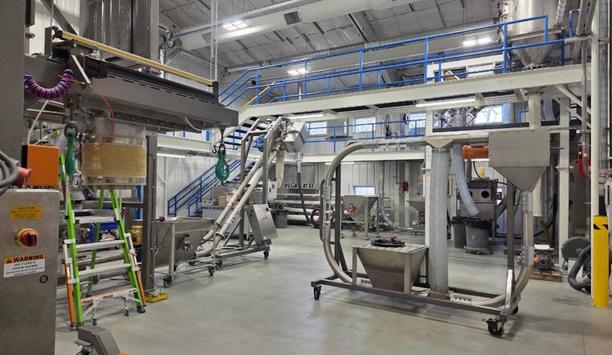
Hapman, a pioneer in the design and manufacture of custom bulk material handling equipment, is proud to announce its new test lab designed to help processors more accurately evaluate how materials will perform in conveying applications. The expanded facility allows customers to validate equipment selection, refine system design and reduce project risk before equipment is installed. Conveyors and integrated system tests The facility now accommodates bulk bag unloading and filling, higher-throu...
Carrier Global Corporation, a global pioneer in intelligent climate and energy solutions, today announced a major milestone in the U.S. Department of Energy’s (DOE) Commercial Building HVAC Technology Challenge with the launch of commercial field trials for its next-generation rooftop heat pump technology designed for broad commercial adoption. “After proving our innovation in the lab, we’re thrilled to show how it performs in operating commercial environments. Our engineering...

As Carrier Global Corporation works toward its vision to be the global pioneer in intelligent climate and energy solutions, the company in 2025 leveraged its unique knowledge and expertise to make a positive impact on the planet, people and communities. “Enhancing the lives we live and the world we share is more than just a commitment; it’s a call to action,” said Ashley Barrie, Executive Director, Corporate Social Responsibility, Carrier, adding “United with our em...

Bluon, the industry-pioneering AI and data company for HVAC contractors, announces the expanded availability of its integration within BuildOps, the first operations platform built for commercial HVAC service, project and equipment management. Following a successful trial period, the Bluon integration is now broadly accessible to BuildOps users, bringing Bluon’s proprietary AI and extensive equipment and parts database directly into BuildOps’ commercial HVAC workflows. This allows t...
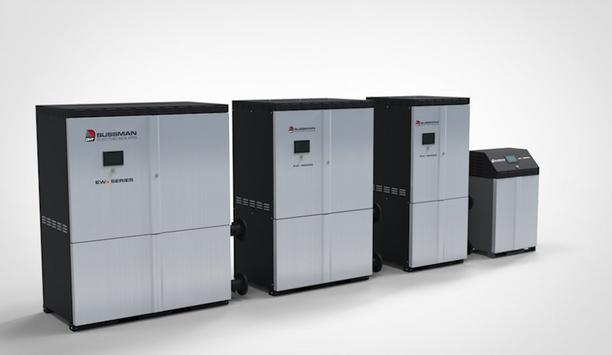
Sussman Electric Boilers, a trusted brand under Diversified Heat Transfer, Inc. (DHT), announces the expansion of its EWx Series Electric Hot Water Boiler lineup with new models ranging from 30 kW to 240 kW. These additions extend the reach of the EWx platform and give engineers, contractors, and facility owners a compact, high-efficiency solution for an even wider range of hydronic heating applications. new EWx models The new EWx models retain the same modular design and...

mSupply, a pioneering North American distributor of appliance, HVAC and plumbing parts and equipment, has promoted Jason Scott to Northeast Regional Vice President. In this role, Scott will oversee operations for more than 40 locations, representing four HVAC business units: API of NH/Delta T, BellSimons, SASCO CASCO, and Total Air Supply. Level of excellence and customer-focused approach "Jason has been a quality, forward-thinking pioneer in a number of positions here at mSupply," said Keith...
News
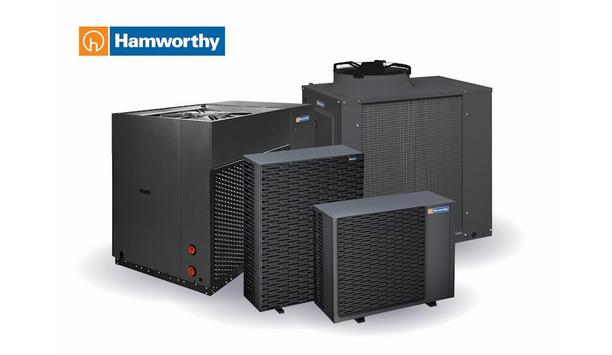
Hamworthy Heating, technical experts in commercial heating and hot water products, is pleased to announce the addition of a new 65kW model to its highly successful Tyneham 290HT commercial heat pump range. This new model increases the range's heating capacity to meet the growing demand for higher output systems while maintaining its commitment to energy efficiency and a reduced carbon footprint. Tyneham 290HT range Now available in six outputs from 15kW to 65kW, the Tyneham 290HT range is designed to provide reliable and efficient heating across a variety of commercial settings, including schools, offices and leisure facilities. Using natural refrigerant, the Tyneham 290HT can achieve higher flow temperatures, whilst benefiting from a low global warming potential (GWP) of just 3. Highly efficient with a coefficient of performance (COP) rating of up to 4.94, the range also features an inverter-controlled compressor, which adjusts the building temperature according to specific requirements, further enhancing its performance and efficiency. integrated with other Hamworthy Heating products Offering a flexible solution, units can be cascaded to achieve higher outputs, catering to larger buildings or facilities. Furthermore, the Tyneham 290 can be integrated with other Hamworthy Heating products to create a hybrid heating system, offering even greater energy efficiency and supporting efforts to lower carbon footprints. Quiet in operation, with noise levels as low as 64db(A), the Tyneham 290 range is also an excellent choice for commercial buildings where noise control is a consideration. New Commercial Air Source Heat Pump Training Course Jason Allen, Commercial Product Manager, comments, “We’re excited to introduce the 65kW model to the Tyneham 290HT heat pump range. As the industry shifts toward more sustainable energy solutions, this new model strikes the perfect balance of performance and efficiency for larger heating needs, supporting the transition to low-carbon technology.” As part of its commitment to supporting customers in their transition to low-carbon heating and heat pump technology, Hamworthy has also recently launched a new Commercial Air Source Heat Pump Training Course. This comprehensive training course covers the flexible wiring and programming options available with our Tyneham R32 and 290HT commercial heat pumps and explores product positioning and other considerations within the Tyneham range, to effectively integrate systems into commercial settings. Latest air source heat pump training resource Also focusing on control strategies, ranging from simple make-and-break contacts to the latest technology that allows for sophisticated valve operation, hot water circuit management, and hybrid setups, the course also explores various solutions to integrate heat pumps into existing commercial heating systems, supported by schematics that bring these scenarios to life. Delivered by HVAC professionals from the Groupe Atlantic technical team, the latest air source heat pump training resource is designed to help customers get the best out of their Hamworthy Heating products and stay up to date with the latest industry developments.
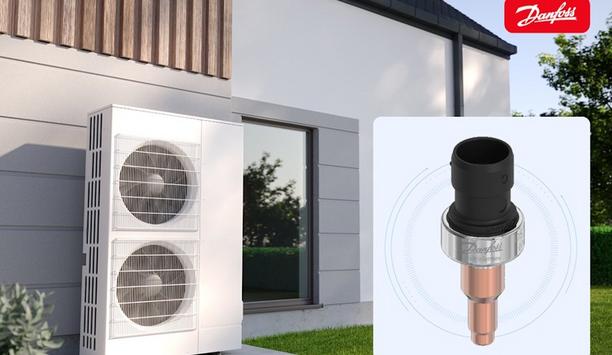
As the latest in the DST series of durable, compact pressure sensors from Danfoss Sensing Solutions, the DST P070 offers a range of features ideally suited for heat pump installations. "Heat pumps play a central role in our transition away from fossil fuel-driven HVAC systems. For example, the REPowerEU targets require that the amount of newly installed heat pumps double every four years, meaning they will need 60 million more heat pumps installed by 2030." "Yet, HVAC system builders often struggle to find sensors compact and lightweight enough to satisfy smaller system requirements. The DST P070 addresses this challenge by offering reliable pressure-sensing technology in a compact design," Iro Dragoumi, Segment manager for HVAC&R at Danfoss Sensing Solutions. Bi-metal pressure connection The pressure sensor features backside MEMS technology which enabled its value, size and weight to be optimal for HVAC applications. The compact bi-metal pressure connection offers the best fit in applications with small and narrow spaces, such as heat pumps, chillers, residential and transport air conditioning units and food service refrigeration. sensor’s lightweight design “The DST P070 offers the shortest solder tube length on the market, a small body sensor and a single-brazing point, all designed to make it easier for installers to work within the space constraints in heat pump installations." "And because of the sensor’s lightweight design, there’s practically no need for vibration support, which makes for a simple, effortless setup,” Katharina Löhden, Product manager for pressure sensors at Danfoss Sensing Solutions. Simplifying the installation process In addition to offering the best fit in narrow installation spaces, the bi-metal solder tube also provides several installation benefits. “When you have a pressure sensor with copper solder tubes, you need cooling protection for the sensor during the soldering process. In the DST P070, the pressure connection is made of copper and stainless steel which, in addition to being durable, can eliminate the need for cooling protection during installation. This shortens installation time and makes the entire process easier for the installer.” The bi-metal solder tube also features superior welds to the housing and precision brazing to the pipe. It also has a lower heat transfer than copper or brass, which protects system components and extends the sensor’s lifetime. Fully compatible with low-GWP refrigerants In keeping with the company’s commitment to supporting the HVAC industry through the refrigerant transition, the Danfoss Sensing Solutions team tested the DST P070 across a wide range of refrigerants and oils to ensure its compatibility with A1, A2L, and A3 refrigerants. “We have validated that the DST P070 works with R290, the main heat pump refrigerant, and it’s compatible with the aggressive R1234ze refrigerant as well,” says Iro. The sensor also features the company’s patented sealing technology, ensuring hermetical tightness, and has undergone a series of validation and tightness control tests to confirm it can withstand helium leakage, overpressure, thermal stress and aging, vibration and a combination of temperature and vibration exposure. Test results have been validated by an external laboratory and the DST P070 is ISO 14903 design tested and ATEX Zone 2 & HazLoc compliant. Guaranteeing shorter lead times and supply chain integrity To meet the increasing demand for heat pumps, OEMs need a reliable supplier who can deliver system components on time. “Our customers tell us that they’re looking for global suppliers that can provide high-quality products and round-the-clock support. To accommodate this, we’ve expanded our production footprint and hence created a new, high-volume, fully automated production line in Minden, Germany. This line will enable us to offer our customers shorter lead times, so they receive orders swiftly and efficiently.” The production facility sources 70% of its materials from within the EU and offers full traceability on parts and process data. The site is also ISO 14001, ISO 9001, and IATF 16949 compliant and fully aligned with the company’s ESG commitment. “As is the case with many of our customers, Danfoss is committed to reducing our carbon footprint. In line with these goals, our facility in Minden is on track to be carbon neutral by 2030.” Putting sustainability first: from production to packaging Sustainability has also played a significant role in the entire DST P070 production process, from manufacturing to packaging. “The sensor contains more than 50% recycled stainless steel and it has a lower total carbon footprint, thanks to its compact design and use of fewer materials,” Katharina explains. “We’ve developed a unique pulp tray packaging, which reduces our CO2 emissions by 50% and transport volume. Yet the design offers the same strength and durability to protect sensors during transport.” Combination of a simplified installation process The combination of a simplified installation process, proven quality, low-GWP refrigerant compatibility and ESG-compliance add up to a pressure sensor that equips OEMs to meet market demand, industry regulations and internal sustainability requirements. “In the DST P070, OEMs get a pressure sensor designed to work with heat pumps, chillers and other HVAC applications – one that meets the highest quality standards and that is readily available. And with our end-to-end commitment to sustainable manufacturing, we can offer a component that helps our customers work towards a carbon-neutral future,” concludes Iro.
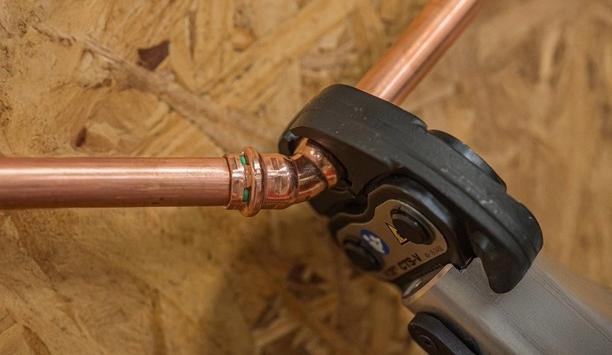
QuickFitting®, a pioneering innovator in flame-free plumbing and HVAC technologies, announced now that its flagship product line, SurePress® press fittings, is now available nationwide through HD Supply, a premier distributor serving the maintenance, repair and operations (MRO) market. With 71 SurePress SKUs stocked across HD Supply warehouses and the full assortment of 143 SKUs available via drop ship, QuickFitting gains expanded reach into key commercial and residential repair sectors. Green indication fills windows Built to accelerate installation while minimizing callbacks, SurePress is the only copper press fitting on the market featuring 360-degree indication windows that confirm a proper press from any angle. Green indication fills windows once pressed, confirming a successful seal. Installers and inspectors can immediately determine whether a fitting has been pressed, eliminating uncertainty before pressure testing begins. new construction and retrofit applications SurePress fittings are compatible with V-profile jaws from major hydraulic press tool brands, and require no flame, solder or glue. They're particularly well-suited for new construction and retrofit applications in settings where open flame work is restricted or where tight inspection schedules demand fast verification. The visual confirmation cuts down on rework, catches unpressed fittings before they turn into leaks, and instills confidence throughout the installation process. Procurement for plumbing projects “Partnering with HD Supply marks another significant step in making SurePress fittings accessible to professionals who prioritize safety, reliability and time savings on every job,” said Katie Zyra, Director of Marketing & Product Management at QuickFitting, adding “With an extensive SKU assortment stocked for quick delivery and broad drop ship options, HD Supply is a perfect partner to support the growing demand for our SurePress press fitting technology.” HD Supply customers can now source SurePress fittings through HD Supply warehouses or conveniently order the full assortment via drop ship, streamlining procurement for plumbing projects across North America.
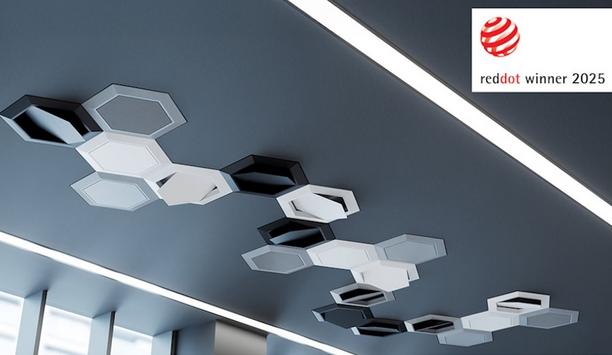
These two Hitachi air conditioning design concepts won the Red Dot Design Concept Awards 2025, including “Best of the Best” award for “airCloset” and Desgin Concept Award for “airHive”. Rather than leaving HVAC idle between cycles, these award-winning concepts weave air conditioning into furniture and architectural features, keeping spaces functional and comfortable all year. integrating vertical vents Closets are large and tall, and they are usually fixed against a wall. These qualities make them ideal for housing an air-conditioning module. By integrating vertical vents on the side of the storage space, the air-conditioning module blends seamlessly into the furniture. For enhanced comfort, in cooling mode, air is released from the upper section of the vents, distributing cool air evenly throughout the room. In heating mode, warm air flows from the lower part, gently warming the space from the ground up. New modular ducted HVAC system “With its sophisticated design and advanced functionality, the airCloset enhances indoor comfort while elevating the aesthetic appeal of contemporary interiors, making it a perfect addition to modern living,” summarized Lead Designer - Liu Yang. For office and commercial buildings, indoor air quality control is an essential factor to ensure comfort, safety, and productivity. Uniting air purification, air conditioning, ventilation, and air quality monitoring, the “airHive” is a new modular ducted HVAC system that integrates smart functions to keep indoor environments clean and fresh, while supporting architectural patterns and scalability. “Not only does it bring aesthetics and modularity, but the ‘airHive’ system is also extremely flexible, as it can be expanded to more rooms over time or change configuration,” said Lead Designer, Luis Reyes.
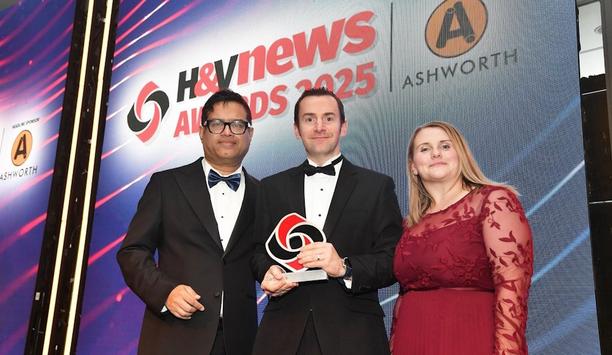
RAUVIPEX, REHAU UK’s pre-insulated district heating pipework solution, has won in the ‘Commercial HVAC Product of the Year – Components and Peripherals’ category at the 2025 Heating & Ventilating News Awards. RAUVIPEX stood out to the judges for its technical excellence and contribution to improved efficiency and sustainability for heat networks. The judging panel also noted how RAUVIPEX’s design demonstrates strong innovation, reliability and had addressed feedback from designers, installers and operators. REHAU’s proven PE-Xa carrier pipe RAUVIPEX provides a market-pioneering combination of low thermal conductivity and high bending flexibility, manufactured with REHAU’s proven PE-Xa carrier pipe, combined with PU foam insulation and an SN8-rated outer jacket. This robust construction ensures long-term durability and addresses a long-standing trade-off in HVAC piping between minimizing heat loss without compromising ease-of-installation. The solution incorporates a new longitudinal water barrier – a fully welded layer that maintains insulation integrity even if the outer jacket is damaged. The barrier achieves longitudinal watertightness in accordance with the AGFW Heat Works group’s FW 420-1 Class A classification, even when tested at double the specified test pressure – a first for a PU foam district heating pipe range. DIN EN 15632 requirements RAUVIPEX is also compatible with REHAU’s EVERLOCTM compression sleeve jointing system and CLIP-FLEX shroud, enabling rapid, secure, and flexible connections without the requirement for hot works. Affirming its sustainability credentials, the solution is produced in a factory powered by 100% renewable electricity. RAUVIPEX also meets DIN EN 15632 requirements for modern low-temperature networks, operating at 65 °C with a service life of up to 100 years to ensure low-carbon performance over the long-term. Achievement for REHAU “Winning this award is a fantastic achievement for REHAU and a testament to our team’s hard work and commitment to innovation,” said Steve Richmond, Sales & Marketing Director, REHAU Building Solutions UK, adding “RAUVIPEX was designed to deliver outstanding performance in challenging environments, and this recognition reinforces its value to the heat networks industry." He continues, “Our focus has always been on creating solutions that push the standards by combining technical excellence and ease-of-use. RAUVIPEX offers the industry a complete solution for reliable heat networks that are fit for the future and address the sectors most pressing challenges, and we are thankful the effort and dedication of the research and development team has been recognized by our industry peers.”
Business Development Resources (BDR), the training and business coaching authority for home services industry professionals, announces a new partnership with PPATEC, the technical education provider for the Pennsylvania Petroleum Association. The first results of the partnership will be a pair of hands-on courses, led by seasoned BDR coaches at PPATEC’s Grantville, Pennsylvania, training facility. The first of these courses, Managing & Growing Service Profitably, will be taught by Jennifer Shooshanian, BDR’s senior service coach and trainer. Built for business owners and service managers, the course outlines a proven framework to run a profitable services department through strategies and processes used by top-performing HVAC companies. The course is scheduled for Feb. 25-26, 2026. Customer communication skills A second course, Top Gun Technician Excellence, will be led by Shaun Weiss, a head coach and trainer with BDR. The course will help HVAC technicians improve their customer communication skills and establish a defined service delivery procedure, ultimately leading to fewer callbacks and more referrals. The course will take place March 31-April 1, 2026. “We’re excited to be partnering with PPATEC to deliver in-person training events for home service contractors,” said Matt MacArthur, senior vice president of training and marketing for BDR. “Both these classes have proven to be highly impactful and engaging experiences for all who attend, and are backed by real-world results, equipping HVAC teams to level up in the new year.” Opportunities for service and installation departments PPATEC’s training center provides a state-of-the-art setting for HVAC training, offering not only modern classrooms but also realistic lab environments. The facility regularly hosts students looking to enter the HVAC field, as well as established technicians and contractors looking to elevate their skills. “It is our goal to be a full-service training provider for the home service industry,” said Ted Harris, executive vice president of PPATEC. “The core competency of our school is centered around hands-on training solutions for service and installation technicians. The collaboration with BDR will extend beyond our technical training program and add valuable educational opportunities for service and installation departments, particularly focusing on profitability and customer communication skills. This partnership adds more value to our members and industry stakeholders who trust PPATEC as a training partner.”

Expert Commentary

As builders and contractors strive to meet ever-higher energy efficiency standards, airtight construction has become the new norm. While tighter envelopes cut energy waste, they also reduce outdoor airflow, creating new challenges for indoor air quality (IAQ) and occupant comfort. In response, Energy Recovery Ventilators (ERVs) have quickly moved to the forefront as an essential solution. Industry professionals often underestimate the capabilities and advancements of today’s ERV systems, despite their increasing importance in both residential and commercial applications. How ERVs Enhance High-Performance Builds Unlike basic exhaust fans, ERVs are built to provide consistent, balanced ventilation in high-performance buildings. They work by exchanging stale indoor air with filtered outdoor air, using a heat-exchange core to transfer both temperature and humidity. This process tempers incoming air, helping to ensure that what enters the living space is close to ideal conditions, regardless of the outdoor climate. ERVs contribute to lower energy bills, longer gear life, and more even comfort throughout the home In practice, this means that during winter, ERVs can pre-warm and humidify cold, dry air before it enters, reducing both discomfort and energy demand. In summer, the system pre-cools and dehumidifies incoming air, maintaining comfortable conditions and reducing air-conditioner system strain. By offloading some of the work from primary HVAC systems, ERVs contribute to lower energy bills, longer equipment life, and more consistent comfort throughout the home. From Code Compliance to Real-World Applications As building codes and standards such as ASHRAE 62.2 and Title 24 become stricter and evolve nationwide, ERVs have played a critical role in helping projects achieve code-mandated ventilation. Increasingly, these codes are moving beyond minimum airflow rates to address factors like energy recovery, humidity control, and occupant well-being, reflecting a broader understanding of indoor environmental quality. However, code compliance is only one part of the equation. ERVs have played a critical role in helping projects achieve code-mandated ventilation Today’s homeowners are more informed than ever about the health impacts of IAQ. They want ventilation systems that actively reduce allergens, pollutants, and excess humidity, helping to prevent issues like mold growth, respiratory irritation, and other health concerns. At the same time, they expect these systems to operate reliably throughout the year without driving up energy use, whether during heatwaves, deep freezes, or everyday seasonal shifts. This dual focus on health and efficiency is prompting a move away from lab-only performance metrics. Home building and construction industry professionals must seek ERVs that deliver on their promises in real-world conditions: fluctuating temperatures, high humidity, and varying occupancy levels. The latest generation of ERVs is designed and tested for precisely this kind of robust, year-round operation. Why ERVs Are Gaining Ground in Modern Construction The adoption of ERVs is accelerating in today’s construction market, and for good reason. Modern ERVs feature flexible, space-savings designs that make it easier than ever to integrate into both renovations and new builds – even when mechanical space is limited. This adaptability is a significant advantage for builders and contractors working within tight building constraints. ERVs deliver improved efficiency that leads to tangible drops in energy use and operating costs Beyond ease of installation, today’s ERVs deliver improved efficiency that leads to tangible reductions in energy use and operating costs. As energy codes become more stringent and utility bills climb, products that support energy conservation without sacrificing comfort are in high demand. At the same time, a growing body of research and field data demonstrates the positive impact ERVs have on indoor air quality, reinforcing their value in promoting occupant health and well-being alongside comfort. The future of ERVs isn’t just about efficiency, it’s about health. Recent research, including findings from the National Institute of Environmental Health Sciences, underscores the urgency of addressing IAQ in modern airtight homes. Rising pollutant levels, excess humidity, and a proliferation of synthetic materials can create health risks ranging from respiratory issues to cognitive impacts. ERVs can play a crucial role in mitigating these risks by continuously removing contaminants and controlling humidity, all while optimizing building energy use. A New Generation of ERVs When evaluating next-generation ERVs, professionals should prioritize systems that perform reliably across diverse climates, integrate seamlessly with existing HVAC and building automation platforms, and streamline both installation and ongoing maintenance. ERVs should be designed to meet the rising demand for robust, climate-ready solutions. ERVs should be designed to meet the rising demand for robust, climate-ready solutions They must deliver dependable ventilation performance in extreme conditions, as well as feature adaptable ducting and intuitive controls that help simplify installation. ERVs must also evolve to meet the latest building codes and real-world expectations, supporting healthy, resilient homes without adding unnecessary complexity for builders or contractors. This evolution of product requirements reflects a wider movement in the industry toward ERVs that address real-world installation challenges and changing code requirements. Features such as minimal airflow loss under static pressure, advanced moisture management for humid climates, and compatibility with smart controls are becoming increasingly important. As more manufacturers prioritize these attributes, professionals now have greater flexibility to select ERVs, like the Panasonic Intelli-Balance Elite and Elite+ Series, that meet the unique demands of each project, ultimately supporting healthier and more energy-efficient indoor environments. A Call to Action for Building Pros As codes tighten and consumer expectations rise, integrating ERVs into every project is a smart, future-ready move. By specifying advanced, climate-adaptable solutions contractors and builders can deliver spaces that are not only energy efficient but also healthier and more resilient. The bottom line: ERVs are no longer a niche add-on. They are essential for the next generation of high-performance, healthy homes. Those who embrace this technology now will be best positioned to meet the evolving demands of the market and deliver lasting benefits for their clients.

As HVAC professionals know, the heating and cooling industry is undergoing a transition from refrigerants like R-410A to low global warming potential (GWP), or A2L, refrigerants such as R-454B. When preparing customers for the changes that the refrigerant shift brings, contractors can stay ahead of the learning curve by investing in staff training, purchasing necessary new tools for their HVAC technicians, and educating their residential and commercial customers about the impacts. As the industry navigates this change, below are lessons and tips to help contractors make a smooth transition to using the new refrigerants. Dealing with new refrigerants, new rules, and new challenges As new equipment has arrived, questions have come up around installation and servicing In 2025, new residential and light commercial HVAC systems must use low-GWP refrigerants. These refrigerants require new standards, new products, and enhanced safety protocols. There has been a significant learning curve for the industry, especially in the early stages of the transition. As new equipment has arrived, questions have come up around installation and servicing. Industry trade partners, such as Mitsubishi Electric Trane HVAC US (METUS), have been helpful in providing information, resources, and support. Things have been changing quickly, and while many HVAC contractors are adapting well, others are still trying to get their bearings. Part of the challenge is that manufacturers have varying requirements. Availability of A2L-compatible equipment Initially, the HVAC industry faced challenges due to the limited availability of A2L-compatible equipment and the declining supply of R-410A systems. We’ve worked to balance inventory management with maintaining customer satisfaction. In some cases, we've made two separate service visits for new system installations, first to replace the furnace and evaporator coil and then to return once the outdoor unit becomes available. Thankfully, the industry’s inventory availability has recently improved. The refrigerant itself is still hard to come by for most contractors. Remaining vigilant and proactive, continuing to depend on trusted industry partners for timely and accurate updates is essential. Staying ahead through training and education Company pioneers should ensure their teams – not just HVAC installers but sales, service As the industry receives new information on installation, service procedures, and safety protocols, it is essential that contractor training programs are continuously evolving. Company pioneers should ensure their teams – not just HVAC installers but sales, service, and support staff – stay informed as new guidance becomes available. Education is a core value: teams should be encouraged to attend training sessions and share what they learn with their fellow team members. Regulations, safety procedures, and installation best practices In preparation for the transition, it’s also vital that contractors upgrade many of their tools, such as vacuum pumps, digital gauges, recovery machines, and manifolds. They should also provide their technicians with the proper training on these tools. Most importantly, contractors should take advantage of every opportunity from their trade partners, like METUS, and numerous trade affiliations, like the Air Conditioning Contractors of America (ACCA), to obtain guidance. Constantly research and share information with your team so members are well-versed on regulations, safety procedures, installation best practices, and more. Educating homeowners on potential upgrades Customers rely on contractors’ expertise to guide them through their purchase Most homeowner discussions focus on price and equipment availability rather than refrigerant types, but a few well-informed customers ask about the impact of the equipment refrigerant on their homes. Customers rely on contractors’ expertise to guide them through their purchase. Clear, helpful education builds trust, ensures understanding, and offers peace of mind for customers. It's smart and responsible to communicate about the refrigerant change to customers early, so they’re not caught off guard when their current R-410A system eventually needs replacement. They can plan and budget better with this knowledge in mind. I recommend that New York State contractors let their customers know they may be able to take advantage of the New York State Clean Heat program rebates. These rebates can be combined with federal tax credits included in the Inflation Reduction Act for switching to heat pumps and other efficient solutions. Both programs have incentivized customers to install high-performance heat pump systems. Improving performance while enhancing comfort All-climate heat pump systems using A2L refrigerants are said to be more efficient than prior generations All-climate heat pump systems using A2L refrigerants are said to be more efficient than previous generations. We’re telling our customers who switch that they can potentially lower their utility bills. The timing of these enhancements fits well with the growing demand the industry is seeing for ductless systems. Our northeastern region – which includes Amherst, New York and the surrounding Buffalo area – has started experiencing above-average temperatures, prompting many people to adopt ductless systems as a cooling solution for the first time. I would never have anticipated this trend five years ago, and contractors in other parts of the country may be seeing the same trend. Turning disruption into a path for growth and preparedness The refrigerant transition has brought its share of challenges, but it has also sparked progress. It is essential for contractors and HVAC professionals to embrace this moment as a catalyst to strengthen their teams, invest in modern tools, and elevate customer education. By staying connected with trusted partners and industry groups, contractors don’t have to just keep pace, but they can instead position themselves for long-term success in this new era of HVAC.

The data center market has shown robust growth over the past five years, with significant increases in capacity and electricity usage. According to the International Energy Agency (IEA), global data center electricity consumption was approximately 460 TWh in 2022, and it is projected to rise to over 1,000 TWh by 2026. This growth is driven by the increasing demand for digital services and the expansion of artificial intelligence (AI) workloads. In 2025, the total capacity demand for data centers is expected to reach 82 gigawatts (GW), with AI workloads accounting for 44 GW and non-AI workloads for 38 GW. By 2030, this demand is projected to increase to 219 GW, with AI workloads making up 156 GW. This significant growth underscores the importance of sustainable practices in the data center industry. Alternative Off-Grid Power Sources To meet the growing energy demands, data centers are increasingly turning to alternative off-grid power sources. These include solar power, wind turbines, micro-hydro power, and biogas generators. These renewable energy sources not only reduce the carbon footprint of data centers but also enhance their resilience by providing reliable power in remote locations. Green hydrogen, produced by electrolysis using renewable energy, also offers a sustainable alternative to traditional cooling methods, with the potential to significantly reduce greenhouse gas emissions. Continued Compute Growth and Liquid Cooling Nvidia's use of direct-to-chip liquid cooling and closed-loop systems has shown a 300x improvement The rapid growth in compute power, particularly with the introduction of platforms like Nvidia's NVL-576 600 kW, has significant implications for data center cooling. This platform, designed for high-performance AI workloads, requires advanced cooling solutions to manage the heat generated by such dense compute environments. Nvidia's use of direct-to-chip liquid cooling and closed-loop systems has shown a 300x improvement in cooling efficiency. Google's fifth-generation cooling distribution unit (CDU), known as Project Deschutes, is another example of innovation in this space. This CDU sidecar power rack supports up to 1 MW per rack, leveraging high-voltage DC power distribution to enhance efficiency and cooling capacity. Energy-Efficient Cooling Technologies Energy-efficient cooling technologies are critical for the sustainable operation of data centers. Some of the most promising technologies include: Direct-to-Chip Liquid Cooling: This method involves applying liquid coolants directly to the processors, providing superior heat dissipation and enabling servers to operate at optimal performance levels. Hybrid Rear-Door Heat Exchangers: These systems combine air and liquid cooling to manage heat more efficiently, particularly in high-density rack environments. Heat Reuse The elevated temperatures made by liquid cooling can also be harnessed in industrial processes Liquid cooling provides an additional opportunity to reduce energy consumption while enabling data centers to become contributors to community energy systems. Unlike traditional air cooling, which disperses heat into the atmosphere, liquid cooling captures heat more effectively, allowing the heat to be repurposed for the heating needs of nearby residential or commercial buildings. Heat pumps can be employed to raise the temperature of the excess heat to the temperature required by heating systems, resulting in greater energy efficiency. The elevated temperatures produced by liquid cooling can also be harnessed in industrial processes that require specific heat levels, such as pasteurization, drying or chemical processing. By utilizing this heat, industries can reduce their reliance on external energy sources, which in turn lowers operational costs and emissions. However, most areas in the U.S. lack the infrastructure to support district heating. Significant investment is required to develop the infrastructure needed to transport and utilize the heat, such as pipelines for district heating or retrofitting industrial processes. Depending on the region, there may also be legal or regulatory barriers to overcome. Policy and Community Engagement There is strong support for AI growth, with alliances involving companies like OpenAI and Meta Within the current U.S. administration, there is strong support for AI development, with partnerships involving companies like OpenAI and Meta. OpenAI, Meta, SoftBank and Oracle have joined forces for the Stargate Project, which aims to build AI data centers in the U.S. This project includes significant investments to create infrastructure that supports AI development. The Trump administration has identified 16 sites on federal land for the development of AI data centers. These centers are intended to provide the necessary processing capacity for machine learning, cloud storage, and AI systems. Heat reuse offers a powerful tool for sustainability and community engagement. By capturing and repurposing the waste heat, data centers can significantly reduce their environmental impact while providing tangible benefits to surrounding communities and industries. This approach not only supports decarbonization efforts but also fosters stronger ties between data centers and the communities they serve, creating a more sustainable and resilient future. Benefits and integration of data centers Data centers support local economies by creating jobs, providing reliable internet services Educating the community about the benefits of data centers is crucial to ensure the successful integration of data centers into local communities. Data centers support local economies by creating jobs, providing reliable internet services, and enabling technological advancements that improve quality of life. By highlighting these benefits, data centers can build stronger community support and enhance their social license to operate. The effort should combine outreach with online educational initiatives, collaborations with industry, academia, NGOs and multiple sources of in-the-field insight. Conclusion The data center market is poised for continued growth, driven by advancements in technology and increasing demand for digital services. By focusing on sustainability, heat reuse, and energy-efficient cooling technologies, the industry can meet this demand while minimizing its environmental impact. Engaging with communities and educating them about the benefits of data centers will further support the sustainable growth of this vital industry.
Editor's Note

The HVAC market is in transition. Heat pumps are no longer niche, but are becoming the default replacement for both furnaces and central AC. Midea is responding to the new normal and pledges to be a partner in the transition by equipping the trade with future-ready solutions and accessible training. “For contractors, this shift presents a major opportunity,” says David Rames, Senior Product Manager, Midea. Midea’s EVOX All Climate Heat Pump Midea helps dealers deliver more jobs with fewer SKUs (simplified inventory) and fewer callbacks Midea is well-known to consumers, and recognition is growing among the professional space in the United States. Midea approaches the professional market with a contractor-first strategy, designing systems in their research and development (R&D) labs in Louisville, Kentucky, for fast installation, retrofit compatibility, and rebate eligibility. Midea helps dealers deliver more jobs with fewer SKUs (simplified inventory) and fewer callbacks. Midea’s EVOX All Climate Heat Pump and air handling unit (AHU) offer versatility, modular designs, dual-voltage compatibility, and all-weather performance. The features allow contractors to future-proof their businesses and offer customers cost-effective options across new construction and retrofit applications. Midea's expanding distribution partnerships Midea is expanding distribution partnerships, opening showrooms, and investing in training to ensure HVAC professionals have the tools and support they need. For distributors, the growing demand underscores the importance of training, stocking flexible systems, and guiding customers through rebate processes. Midea’s growing showroom network in the United States and Canada doubles as live training hubs. Locations in New York City, Orlando, Mississauga, Montreal, and Vancouver give contractors hands-on experience with systems like the EVOX G3 ducted system and Packaged Window Heat Pump (PWHP). Real-world equipment training Each training facility hosts technical demos, installations, and education on rebate programs Each training facility hosts technical demos, installation walkthroughs, and education on rebate programs. These centers also partner with trade schools and utilities, helping bridge the skills gap with real-world equipment training. “By combining distribution, product demos and workforce education under one roof, Midea differentiates itself from competitors and ensures contractors are confident installing our whole home systems in single and multi-family projects and public housing retrofits,” says David Rames. Midea’s Growth of heat pumps Midea’s buildup comes amidst noticeable growth of heat pumps versus traditional air conditioners in 2025 and beyond. Industry data shows a structural market shift: AHRI reported a 19% year-over-year increase in heat pump shipments in April 2025, while central AC sales declined 2.8%. This growth is fueled by incentives, evolving building codes, and consumer demand for year-round solutions. Retrofit-ready designs Midea supports this transition with retrofit-ready designs, modular AHUs, and dual-voltage options “At Midea, we see strong adoption of ducted EVOX systems and PWHPs across residential and multi-family housing,” says David Rames. Midea supports this transition with retrofit-ready designs, modular AHUs, dual-voltage options, and training programs that help installers capture opportunity as AC-only demand continues to shrink, he adds. Enhanced Vapor Injection technology And the innovation continues. The forthcoming EVOX All Climate Heat Pump delivers up to 100% heating output at down to -31°F with continuous operation down to -40°F, and up to 100% cooling output at up to 140°F with continuous operation up to 149°F. Enhanced Vapor Injection (EVI) technology maintains reliable capacity where traditional systems fail. The modular “block-n-lock” AHU breaks into three sections for tight-space installs, can be assembled in six different configurations to meet any need and reduce the number of SKUs a contractor needs to stock, supports both 115V and 208/230V, and fits as a direct furnace replacement. new construction and retrofit jobs Electrification policies across the U.S. and Canada are directly shaping HVAC system design With contractor-friendly flair fittings, wireless commissioning, and rebate eligibility, EVOX is engineered for both new construction and retrofit jobs. “This system sets a new benchmark for extreme climate performance and installation flexibility,” says David Rames. Electrification policies across the U.S. and Canada are directly shaping HVAC system design. Performance standards, building codes, and incentive structures dictate cold-climate systems. For Midea, this means designing ducted and packaged solutions that deliver 100% heating output in sub-zero temperatures, qualify for programs like ENERGY STAR Most Efficient and CEE Advanced Tier, and integrate with demand response platforms. Advanced inverter-driven all-weather systems “We have also partnered with agencies on programs such as New York’s Clean Heat for All Challenge, deploying retrofit-ready Packaged Window Heat Pumps at scale,” states David Rames, adding “Policy isn’t just a driver; it’s a roadmap for innovation and deployment.” Looking ahead, Midea is investing in advanced inverter-driven all-weather systems, modular AHUs, and compact packaged solutions that simplify retrofits. The pipeline includes next-generation EVOX models with higher coefficients of performance (COPs) at sub-zero temperatures, grid-responsive controls, wireless communication, and compatibility with smart thermostats. Midea investing in advanced inverter-driven all-weather systems. Contractor training and installation quality The company is also expanding into domestic hot water with a Heat Pump Water Heater (HPWH), which delivers up to 400% efficiency and qualifies for most U.S. and Canadian rebates. Supporting the innovations are hands-on contractor training and ongoing collaboration with utilities and trade schools. Midea is addressing this with modular AHUs, guided commissioning tools, and a nationwide training network “Our goal is clear: To equip the market with scalable, installation-friendly solutions for every climate,” says David Rames. Contractor training and installation quality remain the biggest challenges. Improper sizing, restrictive airflow and misassembled equipment can still undermine performance. Midea is addressing this with modular AHUs, guided commissioning tools, and a nationwide training network. Modern heat pumps Cost is another barrier, but broad rebate eligibility helps homeowners offset upfront expenses. Also, consumer awareness is lagging as many still do not understand that modern heat pumps provide reliable heating in extreme cold in addition to reliable cooling. “Overcoming these hurdles requires contractor education, consumer outreach, and continued investment in easy-to-install, high-performance equipment that reduces callbacks and increases homeowner confidence,” says David Rames. Midea’s forthcoming EVOX All Climate In fact, the misconception persists that heat pumps do not work in cold climates despite modern systems like Midea’s forthcoming EVOX All Climate that deliver up to 100% heating output at down to −31°F and continuous operation down to −40°F. The DOE-tested systems achieved a COP of 1.92 at down to −15°F, outperforming cold-climate benchmarks. However, a Midea-commissioned survey showed that nearly half of homeowners did not know heat pumps can both heat and cool, and only 4% knew that today’s systems can maintain capacity in sub-zero temperatures. “The truth is, inverter-driven, EVI-equipped heat pumps provide year-round comfort more efficiently than conventional systems, and education is critical to correcting outdated perceptions,” concludes David Rames.

With the acquisition of Johnson Controls’ residential and commercial HVAC business, Bosch’s Home Comfort Group has vastly expanded its global footprint. The acquisition, which was finalized on July 31, expands Bosch’s North American presence to complement its already dominant positions in the rest of the world. Champion in the HVAC and water space The newly combined businesses will include 26 research and development facilities globally and 33 factories worldwide. Previously, about 80% of Bosch’s Home Comfort Business was in the Europe, Middle East, and Africa region “Bosch has really expressed their desire to be a global champion in the HVAC and water space, so that’s really the premise behind the global acquisition,” says David Budzinski, President, Bosch Home Comfort Group, Americas. Previously, around 80% of Bosch’s Home Comfort Business was in the Europe, Middle East, and Africa region. The acquisition adds particular strength in the North America and Asia-Pacific regions, resulting is a trinity of big regional businesses combined under the Bosch global umbrella. Tremendous potential for growth in US There will be no immediate changes noticeable in how the businesses operate, according to David Budzinski. Over the next several years, one can expect more integration where it makes sense, yielding eventual cost benefits. “We are always looking at ways to decrease the cost of our products for contractors and consumers alike,” said Budzinski, adding “We want to leverage the strengths from both sides.” The acquisition provides tremendous potential for growth in the United States. “Bosch is very serious about growing in the Americas, and so it’s an incredibly important market, arguably one of the most important for the company,” adds David Budzinski. Residential and light commercial HVAC businesses Bosch will continue to use the brand names Hitachi and York under licensing agreements The acquisition includes the Johnson Controls-Hitachi Air Conditioning joint venture in addition to JCI’s other residential and light commercial HVAC businesses. Bosch will continue to use the brand names Hitachi and York under licensing agreements, in addition to their Bosch branding. The businesses are merging with Bosch Home Comfort Group, part of the global company’s Energy and Buildings business, one of four main pillars of the vast company. JCI residential and light commercial businesses The combination of the legacy JCI residential and light commercial businesses with Bosch’s existing business in North America positions Bosch as one of the “Big Six” HVAC manufacturers in North America. Bosch was already a North American pioneer in heat pumps and water technologies. An advantage of the combined companies is a larger product portfolio, included ducted and ductless technologies provided by the JCI-Hitachi unit. It’s a whole new side of the portfolio, joining Bosch’s strength in air-to-air and air-to-water heat pump technologies. Bosch was already a North American pioneer in heat pumps and water technologies. Economics of scale and synergy A regional approach allows the company to cater the strategy to each individual region “Being a global HVAC company allows us to continue and expand our existing economics of scale and synergy,” says David Budzinski. A regional approach allows the company to cater the strategy to each individual region, whether North America, China, Japan, or Europe. The goal is, in effect, to do “whatever it takes for us to win,” said David Budzinski. “It takes a slightly different strategy to win in the U.S. versus what it takes to win in Europe versus Japan or China,” says David Budzinski, adding “Bosch has been a global player for over 100 years, and we have a very strong strategy.” Switch to lower-GWP refrigerants Investment in research and development (R&D) is critical in the U.S., given the ever-shifting business and regulatory environment. For the last six years, the focus in the U.S. has been responding to regulatory changes. With that transition in the rearview, including the switch to lower-GWP refrigerants, it is time to focus more on end users and contractors, says Budzinski. “We are focused on portfolio enhancements and helping our end users and contractors install the product faster and easier in order to essentially decrease the cost of the product, including installation time,” states David Budzinski, adding “We are growing our portfolio to help consumers be able to afford to replace their HVAC.” Broad Bosch portfolio Uncertainties in the replacement cycle and housing market are among the unknowns Uncertainties in the replacement cycle and housing market are among the unknowns as one looks ahead to the future, but Bosch is responding. “We’re doing our part to work with contractors, our dealers, and distributors to make sure we continue to make new installations achievable and affordable with or without incentives for homeowners,” adds David Budzinski. The broad Bosch portfolio, including the products that are part of the acquisition, ensures the company can serve customers regardless of what happens on the political or regulatory front. Benefits of the new ownership “We are going to produce, engineer and develop products that our customers want, and that’s super critical as a business and helps us to be more agile,” said Budzinski. Overall, Budzinski expects Bosch’s business to grow faster than the overall market. “The acquisition helps us leverage economics of scale, which was one of the main drivers of the transaction,” adds David Budzinski. Among the benefits of the new ownership is operation by a private company (Bosch) as compared to a publicly traded company (JCI). Being a private company enables a longer-term emphasis on growth and investment, rather than focusing on short-term concerns such as exceeding quarterly earnings estimates, for example. Private companies are well-equipped to weather market volatility. Impact of tariffs for Bosch’s supply chain partners Given the ongoing uncertainties about tariffs, Bosch is well-positioned with manufacturing and R&D facilities in the U.S., including large facilities in Oklahoma and Kansas. There will be some expected impact of tariffs for Bosch’s supply chain partners; some components are made outside the United States. Bosch’s U.S. facilities support the currently popular notion of “Investing in the United States,” according to Budzinski. “We have created a global climate comfort champion,” said David Budzinski, adding “We are a large, global-scale company that focuses on creating the best products and technology for our customers.” Bosch’s forecast Bosch’s forecast is that sales of air conditioning units worldwide are hoped to rise to more than 200 million per year According to Bosch analyses, the global market for heating, ventilation, and air conditioning systems amounted to more than $160 billion USD (150 billion euros) in 2024. Air conditioning systems alone accounted for two-thirds of this. Demand will continue to increase significantly in the coming years. According to Bosch’s forecast, sales of air conditioning units worldwide are expected to increase to more than 200 million units per year by 2030, almost a fifth more than in 2024. Ambitious growth targets “With the largest acquisition in our company history, we are accelerating our growth, expanding our global footprint, and balancing our business by strengthening our energy and building technology – this makes Bosch more powerful and robust, in line with our corporate strategy,” says Stefan Hartung, Chairman of the Bosch board of management. “We have ambitious growth targets in all regions of the world. We are consistently focusing our new organization on this,” says Jan Brockmann, Executive Management President of Home Comfort, adding “By strengthening regional responsibility, we can meet customer needs even better.” Strategic investments in growth areas “Bosch wants to be one of the pioneering companies in each of its industries by 2030 and is expanding its business with strategic investments in growth areas, among other things. Acquisitions are also part of the strategy,” says Christian Fischer, Deputy Chairman of the Board of Management and responsible for strategic growth initiatives and portfolio management. Christian Fischer adds, “The current acquisition perfectly complements our portfolio. We can now offer our customers the entire range of HVAC technologies – from a single source and worldwide.”

Homes should provide a healthy sanctuary for their occupants, and HVAC can achieve that goal by providing better air quality and a constant flow of fresh and filtered air. However, better air quality comes at a cost. “We have a lot of solutions to improve air quality, but we have to be able to communicate the value of indoor air quality (IAQ) to get people to pay the added cost,” says Panasonic’s IAQ expert, Ken Nelson. “Anything that raises the price of a house diminishes the sale.” Value of indoor air quality The value of indoor air quality is not in dispute but getting that message across is a challenge For example, a system that ensures indoor air quality would increase the price of a new house, but the builder or realtor would likely be unable to articulate the value of the system to a new homebuyer. A system to ensure better air quality would be invisible to a potential homeowner, and the value would not be obvious unless it is carefully communicated. The value of indoor air quality is not in dispute but getting that message across is a challenge. Solution to improve air quality “The challenge is that any solution to improve air quality has to be sold, and it’s a function of understanding the balance of cost, price and value,” says Nelson. “It’s a sellable concept to the buyer, but you have to be able to explain it, bring it up, put it out there. Whose job is it to make sure everybody in the purchase chain has an understanding of air quality?” As group sales manager of ventilation at Panasonic Eco Systems, North America, Nelson has a stake in promoting a higher level of communication about the value of indoor air quality. He also sells a solution to meet the challenge, a system that can also help homebuilders stand out in the real estate market. Panasonic OASYS HVAC and indoor air system Panasonic OASYS HVAC and indoor air plan ensures a even indoor temperature throughout the home Designed for highly airtight and insulated houses, the Panasonic OASYS HVAC and indoor air system ensures consistent indoor temperature throughout the home. The system combines a ductless mini-split air conditioner with a continuous heat exchanger and an energy recovery ventilator (ERV), which exchanges stale indoor air with fresh outdoor air while also transferring heat and moisture between the two air streams. The ERV reduces the load on the air conditioner and suppresses PM2.5 (fine inhalable particles). The OASYS system takes in fresh outdoor air, filters it, tempers it to the homeowner’s temperature setting, and then circulates it constantly throughout the house for approximately four air changes per hour while continuously monitoring the air for comfort. DC motor-driven ventilation fans Pushing air through six-inch ducts throughout the house are small, DC motor-driven ventilation fans, which are quieter and use less energy. Constant air flow controls humidity throughout the house with perpetual air movement and ventilation to help prevent excess moisture and mold. Smaller fans drive air throughout the house, and perhaps 25 supply fans might be used in a typical house, and each fan has its own 6-in. duct. Supply air is filtered to a MERV 13 standard in case there are PM2.5 particulates from surrounding sources. OASYS system features In contrast, a conventional home HVAC system might use a large, central fan that pushes air through a larger trunk line, typically located in the attic, and then through smaller ducts to each room. In a conventional system, fans operate intermittently based on heating or cooling cycles, while the OASYS system features continuous air flow 24/7. OASYS, which has been deployed extensively in Japan and throughout the world, recently entered the U.S. market. Worldwide, 10,000 to 15,000 houses per year are built using the system. Conventional home HVAC system might use a large, central fan that pushes air via a larger trunk line. OASYS system concept The 2,700-square-foot home is being used to exhibit the OASYS system concept and to offer an experience In January 2025, Panasonic opened the OASYS concept home in Houston, Texas. The 2,700-square-foot home is being used to exhibit the OASYS system concept and to offer firsthand experience to business-to-business customers such as builders. Panasonic seeks to expand its central air conditioning business in the U.S., leveraging a competitive strength in ventilation fans, and to promote initiatives to optimize home energy management in the future, such as linking the system to other energy-saving devices. OASYS installations The OASYS design team works with builder and design partners and energy-raters to help them understand how the system works and what is required. For example, a tight-envelope, high-performance house is needed. Globally, many OASYS installations involve residences in the 1,200-square-foot range, which highlights opportunities to use the technology in multi-tenant housing applications in the U.S. The strategy is to work with “OASYS-certified” builders to ensure the concept is deployed effectively. Negative health effects OASYS is not an easy retrofit because it requires additional pathways through and between the floors OASYS is not an easy retrofit because it requires additional pathways through and between the floors, and because existing housing may not be sufficiently airtight. During the height of the COVID pandemic, IAQ briefly became top-of-mind, but awareness has waned since then, and many lessons learned from the pandemic have been pushed aside. Today, there is less concern about how an aerosolized microbe might get into the lungs with negative health effects, for example. Greater awareness is needed, says Nelson. Superior indoor air quality Failing to provide superior indoor air quality has consequences, but they may not be obvious or immediate, he says. Rather, they will become obvious over time. For example, a single burning candle might emit a PM2.5 particulate, which would pass through a resident’s bloodstream without obvious effect. However, the consequences of 10 years of burning candles, or the equivalent of other contaminants, would likely create adverse health effects. Better ventilation is key. “Instead of heating and cooling driving the ventilation, we have ventilation driving the heating and cooling,” says Nelson.
Case studies

Mitsubishi Electric Trane HVAC US LLC (METUS), a major supplier of all-electric, all-climate Ductless and Ducted Mini-split and Variable Refrigerant Flow (VRF) heat pump and air-conditioning systems, highlights a customer success story showcasing how Mitsubishi Electric VRF technology supports the Westin Atlanta Gwinnett’s commitment to guest comfort. Opened in March 2024, the Westin Atlanta Gwinnett is Gwinnett County’s only full-service hotel and a standout property from Concord Hospitality Enterprises. With 348 guest rooms and suites, seven guest room floors, event space, a restaurant, a fitness studio, and a rooftop bar, the property needed an HVAC system that delivered high-quality performance for every area. Mitsubishi Electric’s VRF technology made that possible in guest rooms, while Trane, a partner of METUS, provided rooftop units to serve common areas like ballrooms, meeting rooms, hallways, and the hotel lobby. Personalized climate control Mitsubishi Electric VRF systems offer personalized climate control in each room. Guests can easily adjust their thermostats, and in larger suites, the system design was tailored to promote even comfort regardless of room size. Zoning for every room is designed to prevent wasted energy on unoccupied spaces, a crucial advantage in a hotel with 348 rooms. “From day one, Mitsubishi Electric’s VRF heat pump system has delivered energy performance beyond expectations,” said Carl Hren, Executive Vice President of Development at Concord Hospitality Enterprises, which developed the property. “We’re seeing lower electrical bills than we would have expected for a hotel of this size.” Additionally, unlike bulky vertical terminal air conditioner (VTAC) closets that take up valuable real estate and sometimes are positioned to blow air directly onto the bed, the Westin’s VRF units are concealed in ceiling soffits near room entries, allowing for better airflow control and a cleaner layout. Excellence in guest experience “The Westin Atlanta Gwinnett proves that true hospitality isn’t just seen, it’s felt,” said David Archer, Vice President of Commercial Business at METUS. “With our all-climate VRF systems delivering whisper-quiet, personalized comfort behind the scenes, guests can fully relax and recharge. This project reflects how our technology creates a luxury hospitality environment while meeting modern standards for energy performance.” This marks the fifth project Concord Hospitality Enterprises has completed with METUS, and Concord Hospitality has already started specifying Mitsubishi Electric VRF systems for future projects based on the system’s performance at the Westin Atlanta Gwinnett. The property’s success was further recognized when the Westin Atlanta Gwinnett received the 2024 Marriott Full Service Opening Hotel of the Year Award, an honor given to top-performing new properties that demonstrate excellence in guest experience, operational execution and brand standards.

The Holiday Inn Express San Diego South – Chula Vista is a contemporary 3-star hotel with 88 spacious guest rooms across four floors. The property offers easy access to downtown San Diego, the Gaslamp Quarter, San Diego Zoo, beaches, and the Convention Center – making it a popular choice for both business and leisure travelers. Amenities include a year-round outdoor pool and hot tub, fitness center, business facilities, and free parking. Competing in one of the nation’s most demanding hospitality markets, the hotel is constantly looking for ways to improve efficiency and service. Smart thermostats General Manager Victor M. Carrera recently introduced Anacove AI-powered Smart Thermostats To meet these challenges, General Manager Victor M. Carrera recently introduced Anacove AI-powered Smart Thermostats and Asset Tracking devices, along with an initial pilot of the company’s Staff Alert Smart Nametag solution. All are controlled through the easy-to-use Anacove Smart Dashboard, which provides real-time insights without adding complexity for staff, generating monthly flash reports summarizing energy savings and asset activity. The deployment quickly delivered measurable results. Energy savings “We’ve already noted measurable energy savings and project results in line with our sister hotels,” said Carrera. “I’ve also been very impressed by the Anacove Smart Thermostat’s ability to pre-cool rooms before arrival, a great advantage that improves guest satisfaction while also reducing HVAC strain. The system also flags malfunctioning AC units early, allowing us to deploy our maintenance teams before problems escalate – helping to reduce repair costs and mitigate guest complaints.” Energy efficiency There has been a clear drop in monthly electric bills and lower kilowatt-hour usage Energy efficiency was the most immediate benefit. There has been a clear drop in monthly electric bills and lower kilowatt-hour usage, in line with other Holiday Inn Express properties. A previous trial by Holiday Inn parent company IHG Hotels & Resorts showed Anacove Smart Thermostats significantly reducing HVAC energy use. With savings of 30-40% on average and a payback period of 12-14 months. San Diego is reporting similar results, according to Carrera. Anacove Asset Tracking Devices Operational gains go beyond HVAC. By tagging luggage carts and cribs with Anacove Asset Tracking Devices, the hotel has virtually eliminated losses and has slashed retrieval times. Staff can now instantly locate equipment for reassignment or billing via the dashboard, eliminating one of the most common frustrations in hotel operations. This accountability saves time and ensures items are always available for guests. Remote AC control “With remote AC control, front desk teams can fix room comfort issues instantly without sending maintenance, remotely via the simple dashboard from the front desk – eliminating the need to physically go to the room,” explained Carrera. “That frees them up for other tasks and means guests benefit from quicker, more efficient service. Being able to easily locate hotel collateral is a boon too. All of these time savings are already feeding into better guest satisfaction and will likely reduce our payroll costs in the long run.” Staff safety Staff safety has also been strengthened through location-enabled name tags, currently in use by a third of the 30-strong team. Initially met with caution, the devices have quickly proven their worth. They allow for rapid response in emergencies – especially in areas not covered by cameras – and provide hotel management with data on room servicing times, which helps improve training and workflows. Support and affordability Carrera praised Anacove’s attentive support and affordability compared to larger competitors Reflecting on the rollout, Carrera praised Anacove’s attentive support and affordability compared to larger competitors. Keen to work closely with Anacove on any potential improvements, he suggested dashboard enhancements such as a map-based view to visualize asset and staff locations, and also expressed interest in predictive diagnostics – such as identifying AC compressor issues before failure – that could further reduce costs. User-friendly dashboard “I’m delighted with both Anacove’s solutions, backed up by the user-friendly dashboard, and the company’s close involvement with the requirements of our business,” Carrera said. “We’ve seen electric bills go down, we can pre-cool rooms for our guests, and we’re identifying non-working AC units faster.” He added: “The identifiers for luggage carts and cribs have minimized losses and improved accountability, and the name tags with location devices enhance staff safety and allow us to monitor performance. Anacove’s support has been excellent, and their solutions are cost-effective compared to others in the market.” AI-driven Anacove’s solutions By adopting AI-driven Anacove’s solutions, the Holiday Inn Express San Diego South – Chula Vista has established itself as a sustainable, efficient, and forward-thinking hospitality property in a highly competitive market, where guest expectations are high and operational margins are tight. With technology that is both powerful and simple to use, the hotel is reducing energy and payroll costs, strengthening safety, and enhancing the guest experience – illustrating how smart systems can deliver a genuinely competitive edge in modern hospitality.

Tourism has long been a key economic driver for Philadelphia—which is the 6th largest city in the U.S. and designated as a UNESCO World Heritage City. The Pennsylvania Convention Center (hereinafter Center), located in the heart of Center City, Philadelphia, serves as one of the City’s pillars in supporting the conventions and meetings industry. With typical visitor traffic welcoming over 1 million guests a year, the 2 million square foot Center helps drive $600 million worth of meeting and convention activity in Philadelphia. CO2 emissions reductions Supported by a collaborative quasi-government structure that represents city, county, and state stakeholders The positive economic ripple effect buoys business to the region’s hotel industry, dining and entertainment venues, retail stores, transportation commerce, and historical and cultural attractions. Supported by a collaborative quasi-government structure that represents city, county, and state stakeholders, the Center—a $1.3 billion investment—serves as a critical regional economic engine, as well as a source of civic pride. The 2020 pandemic, and the associated downturn in convention and meeting business, served as an opportunity for the Center to upgrade and modernize the facility, enhance health and safety infrastructure, and redouble its commitment to sustainability and related CO2 emissions reductions. Strategic upgrade plan With a goal to modernize the facility and reduce operational environmental impact, plus offer visitors a safe, comfortable, and positive customer experience, the Center’s stakeholders wisely invested $15 million in infrastructure upgrades. The strategic upgrade plan included deploying state-of-the-art air purification and ventilation, technologies that lower water use, energy-efficient LED lighting, new reflective roofing, expanded recycling, and streamlined management of HVAC, lighting, and power. Siemens alliance provides expertise needed for digital change Siemens has supported numerous multiphase, infrastructure improvement and upgrade projects To help convert this vision into reality, the Center decided to turn to its long-term technology partner—Siemens. Since the Pennsylvania Convention Center’s inception in 1993, Siemens has supported numerous multiphase, infrastructure improvement and upgrade projects. To help the Center implement its latest modernization and decarbonization initiatives, Siemens contributed technology and expertise in the following ways: Energy efficiency Through a Siemens Energy Services Conservation (ESCO) partnership, the Center was able to fund and finance energy-efficient products and services. For example, the Siemens Financial Services (SFS) organization was able to assist in the funding of new needlepoint bipolar ionization technology for air purification. SFS provided $15 million through a lease solution, which included (The Center is always tax-exempt; they are a state-affiliated facility run by an Authority) non-appropriation provisions to meet the Center’s needs. A guaranteed savings model was used across two phases of the project to fund $24 million in smart infrastructure investments (payments for the technology and services were funded through the resulting energy savings over time, so no large upfront payments were required). Sustainability Siemens grant to these efforts consisted of multiple digital keys that enabled more sustainable day-to-day operations The Center’s sustainability efforts involved multiple dimensions of their operation. Initiatives included water conservation, recycling within the food and beverage service areas, active energy management (more efficient light and temperature controls, insulation, weatherproofing), green procurement practices (prioritizing purchases from vendors who are committed to delivering high sustainability goods and offerings), a marshaling yard for convention related tractor trailers traffic (which results in significant CO2 emissions reductions through the avoidance of excessive back-and-forth site equipment delivery and removal), and efforts to migrate to clean energy sources (50% of the Center’s power supply is now derived from wind energy). The Siemens contribution to these efforts consisted of multiple digital solutions that enabled more sustainable day-to-day operations. For example, cross-facility smart building technology such as meters and sensors (for gathering electricity, gas, and water consumption data) and analysis software (for centralizing and interpreting that data and optimizing environmental controls to limit waste and maximize operational efficiencies) helped to build a solid foundation for energy savings and resource conservation. Process improvements implemented during Phase I of the modernization project resulted in $686,000 in operational cost savings through 2021. In addition, installing LED lighting throughout the Convention Center helped save 4.5 million kWh in annual power consumption. In addition, Siemens provided demand response and building control software to help cut energy costs and CO2 emissions. On the automated demand response side, the Center can now interact directly with the local electrical utility company to better manage energy costs. Suppose the utility company needs to address greater power demand across its grid. In that case, the Center can contribute by curtailing its energy use over specific periods in exchange for discounted energy prices. In this way, it helps to temporarily bring stability to the local grid when demand is high, such as on a very cold or scorching hot day, and pay much lower electricity rates in return. On the building controls side, a Siemens software front end (Desigo CC) enables an integrated building automation system fault detection using advanced algorithms and machine learning to predict failures before they happen. This continuous automated commissioning capability improves equipment uptime, promotes timely preventative maintenance, and enhances occupant comfort. Resilience The team developed a custom-engineered solution to control the integrated functioning of the two plants Siemens also worked with the Center’s control and mechanical engineers and programmers to create a proprietary plant control solution that would enhance facility resilience through redundancy and reduce energy consumption. Although the facility hosts heating and cooling plants at both the East and West ends of their complex, those facilities had never been connected. The team developed a custom-engineered solution to control the integrated functioning of the two plants. Now the engineering team can run only one of the central plants to heat and cool the entire building when it is not fully occupied. Engineers can also choose which equipment is best suited to run based on the building’s requirements for that particular day. Integration of the two central mechanical heating and cooling plants enhances plant redundancy and reduces CO2 emissions. Now, 1.3 million kilowatt hours (kWh) of power is saved each year through interconnection and optimal use of one plant at a time, with a second plant already in place as a backup in case of unanticipated downtime. Environmental controls To ensure the highest possible indoor air quality and ventilation, the Siemens and Center teams engaged in a series of Variable air Volume (VaV) HVAC systems upgrades and performed the cleaning and sealing of HVAC ductwork and coils. These two initiatives have saved 200,000 kWh of energy and 1,900 thermal units of natural gas per year. In addition, the attachment of multiple Variable Frequency Drives (VFDs) to motors helped to save 530,000 kWh of power and 2,300 thermal units of natural gas. The combined energy efficiency, sustainability, resilience, and ventilation solutions reduced PCC baseline energy consumption by more than 18 percent. High precision control drives visitor comfort and convenience Siemens team also periodically issues energy audit reports to ensure that all systems are optimized Besides these significant gains in energy efficiency and CO2 emissions reductions, the new digital solutions have also enhanced the flexibility of overall facility operations. Now, every meeting room, concourse, ballroom, and exhibit hall, can be individually monitored for air quality and temperature in real time. Sensors connected to the air handling units feed data into the control system, giving building managers real-time access to system performance data. The result is a total focus on air quality that emphasizes the health and well-being of visitors and of staff who work and do business in the Pennsylvania Convention Center. Digitalization of operations has also enabled visitors to view real-time building energy efficiency and air quality dashboards through large “green screens” that can be accessed from multiple locations within the facility. From a facilities data gathering and analysis perspective, the Siemens monitoring and control solutions help to support the Center’s facilities staff by tracking and modeling energy use and generating sustainability report metrics. Siemens artificial intelligence software also monitors chilled water, making necessary adjustments to conserve additional energy, and enables predictive maintenance by detecting potential issues before they result in unanticipated downtime. The Siemens team also periodically issues energy audit reports to ensure that all systems are optimized to achieve the highest performance levels. Decarbonization efforts spur global recognition and accreditation LEED is an internationally recognized green building certification system developed by the USGBC Thanks to these long-term collaborative efforts, the Pennsylvania Convention Center has attained both a LEED Gold certification and a Global Biorisk Advisory Council (GBAC) STAR™ certification. LEED is an internationally recognized green building certification system developed by the U. S. Green Building Council (USGBC). It provides building owners and operators with guidelines for implementing practical and measurable green building design, construction, operations, and maintenance solutions. The LEED rating system recognizes projects that develop and implement sustainable design strategies for better environmental performance. The Center began the Global Biorisk Advisory Council (GBAC) STAR certification process in 2020 and received the accreditation on outbreak prevention, response, and recovery in 2021. Recognized as the gold standard for safe venues, the Pennsylvania Convention Center is now one of the largest venues in the Northeastern U.S. to receive GBAC STAR™ accreditation. GBAC STAR™ Facility Accreditation identified the Center as a showcase example of commitment to ensuring a clean, safe, and healthy environment for its employees, customers, and stakeholders. Conclusion Future vision includes ongoing sustainability improvements. The Pennsylvania Convention Center’s modernization project has reduced baseline energy consumption by more than 18 percent and has helped to establish high-level partnerships focused on sustainable operations. The ability to ensure visitor safety and comfort while maintaining high sustainability has been transformed from a vision to a reality. Ongoing sustainability investments will play an essential role in PCC’s future growth and development. With such smart building technologies in place, the Center can now serve as a blueprint for how other large buildings—arenas, performing-arts venues, museums, and more—can create action plans for infrastructure improvement upgrades that exceed industry standards for sustainability best practices.

Healthcare facilities require a substantial amount of energy to operate. In fact, the average hospital consumes approximately 250% more energy than a comparably sized commercial building, according to the U.S. Department of Energy. As hospitals face increasing financial pressure to boost revenue while cutting costs, many are turning to energy-reduction initiatives as a strategic remedy. At the heart of those efforts is often the HVAC system, which accounts for roughly one-sixth of a hospital’s total energy consumption. Broader energy initiative The broader energy initiative successfully delivered both energy savings and operational improvements That was the case at Baptist Health Medical Center – Little Rock, Arkansas's largest private, not-for-profit hospital. The century-old facility initially sought to replace its aging wooden cooling tower, which supported the hospital’s HVAC system. However, the project soon evolved into something much more ambitious: a comprehensive mechanical system overhaul designed to significantly reduce energy consumption. While the broader energy initiative successfully delivered both energy savings and operational improvements, it was the new cooling towers — ironically, the original catalyst for the project — that emerged as a surprisingly large contributor to the hospital’s ongoing power savings. Operating with efficiency “Originally, the owners wanted to go with an engineered plastic cooling tower because they liked the fact that it was corrosion-proof, required far less upkeep, and came with a 20-year warranty,” says David Buie, an Account Manager in Controls Sales at Powers, who helped kick off the project. Based in North Little Rock, Arkansas, Powers is an HVAC, controls, and service company that partnered with the hospital to upgrade its cooling towers. However, as the project progressed, hospital leadership decided to broaden its scope to include a comprehensive review and optimization of the entire mechanical system. Bidding for the new cooling towers The final decision came down to two material options: HDPE engineered plastic and stainless steel To guide the expanded initiative, the hospital brought in an independent energy-efficiency engineering firm, which required competitive bidding for the new cooling towers. The final decision came down to two material options: high-density polyethylene (HDPE) engineered plastic and stainless steel. “Once the engineering company saw the energy that could be saved by utilizing the HDPE towers, there was really no looking back,” adds David Buie. A healthier bottom line Engineered plastic cooling towers were first pioneered by Delta Cooling Towers in the 1970s, and many of those original units remain in operation now. The energy savings delivered by these towers can be attributed to three key features: a modular design, multiple highly efficient motors and fans, and the use of variable-frequency drives (VFDs). “Because of the way Delta’s towers are essentially separate cells that work together, the hospital can stage them down when they’re not all needed,” explains Jared Hendrickson, Controls & Equipment Lead at Powers, adding “This can amount to huge savings on energy.” Precise load management Each cell contains two fans, all powered by VFDs that automatically reduce motor output Baptist Health Medical Center selected Delta’s TM Series, which consisted of 20 individual cells providing a total cooling capacity of 7,000 tons. The modular design allows for precise load management, and each unit is equipped with smaller 60-inch fans, which significantly reduce energy consumption. Each cell contains two fans, all powered by VFDs that automatically reduce motor output when full fan speed isn’t required. Capabilities of the HDPE cooling towers “When you operate the fan motors at 80% speed or less, you're saving about 50% on power,” said Jared Hendrickson, adding “So, when you're talking about that much savings spread across 40 motors, the energy reduction is extensive.” In addition to the superior turndown capabilities of the HDPE cooling towers, these units also feature much smaller motors – 15 horsepower (hp) compared to 150 hp in the stainless-steel alternative – further contributing to long-term savings. Saving energy and improving operations In addition to reducing energy consumption, Baptist Health Medical Center has also significantly lowered maintenance costs. One key reason is the construction of the HDPE cooling towers, which feature a one-piece molded casing. The design eliminates joints and seams — common failure points in traditional towers that often lead to leaks The design eliminates joints and seams — common failure points in traditional towers that often lead to leaks and ongoing repair needs. The towers are also equipped with direct-drive fans, eliminating the need for gearboxes that require frequent maintenance and routine oil checks. Additionally, while all cooling tower systems require chemical treatments to control algae, pathogens, and sediment buildup – all of which can hinder performance – the HDPE towers are immune to the corrosive effects of these chemicals. Another advantage for contractors “The chemical treatment is going to eat away at a metal tower, even a stainless tower, over time,” notes Jared Hendrickson. Installation time offers another advantage for contractors. HDPE systems can often be installed in just a day or two, compared to the multiple days, or even weeks, required for towers made from other materials. “There are only two pieces held together by eight bolts,” explains Jared Hendrickson, adding “Compare that to a thousand bolts and a thousand metal components on other towers. There's also no gasketing and caulking of panels before assembly. It’s a very simple installation process.” A clean bill of (energy) health Energy-efficiency measures don’t just reduce consumption, they can improve overall operations through optimized HVAC performance and smarter energy management. At Baptist Health Medical Center, the new cooling towers, installed at ground level, have also contributed to a quieter, more controlled medical environment. Hospitals face unique challenges when it comes to energy use. Compliance with regulations like ASHRAE Standard 170 – which governs temperature, humidity, and air exchange rates – places constant pressure on facility executives, energy managers, and engineers to find sustainable, high-performance solutions. Through careful selection of its cooling tower system and strategic mechanical upgrades, Baptist Health’s flagship facility achieved measurable, long-term power savings without compromising compliance or patient care.

As part of its commitment to champion healthy indoor environments, Carrier has teamed up with the American Lung Association to support indoor air quality (IAQ) research in schools through the development of a case study on IAQ and its impact on student well-being. The American Lung Association is a national non-profit committed to improving respiratory health through education and research. Unhealthy air conditions The study highlights the correlation between IAQ, student health and academic performance The Data-Driven Indoor Air Quality in Schools Study was conducted at Lakes International Language Academy (LILA), an International Baccalaureate World School serving pre-K through 12th-grade students in Forest Lake, Minnesota. The study highlights the correlation between IAQ, student health, and academic performance. According to the American Lung Association, unhealthy air conditions have been proven to increase airborne illnesses, initiate frequent asthma attacks and hinder academic success. Indoor air quality "Carrier is proud to collaborate with the American Lung Association to help schools create healthier, more productive learning environments," said Gaurang Pandya, President, Climate Solutions America, Carrier. He adds, "With individuals spending over 90% of their time indoors, indoor air quality isn’t just important — it’s essential. Carrier offers a full suite of solutions schools need to improve air quality, support student well-being, and build trust with families and communities." Carrier donated products and services Carrier donated products and services, including 137 air quality sensors, 70 cellular hubs In addition to supporting the IAQ research, Carrier donated products and services, including 137 air quality sensors, 70 cellular hubs, sensor installation, and an HVAC assessment. The school also received one year of access to Carrier Abound, an open digital platform that connects with equipment or hardware and provides real-time metrics to help determine whether a building is healthy and sustainable. Carrier’s innovative solutions With assistance from Carrier’s innovative solutions, researchers were able to identify several actionable interventions that may help improve the school’s IAQ. By prioritizing regular HVAC maintenance, monitoring systems and adjusting HVAC schedules during peak hours, administrators can make informed, timely decisions to support student health. Findings from this research equip schools, such as LILA, with the tools to create IAQ Management Plans to sustain high air quality standards.

When construction began on 499 Summit Avenue, a new high-rise residential development in Jersey City, the design team at Barone Engineering already had a trusted HVAC partner in mind, QMark, specified for its performance, flexibility, and reliability in demanding building environments. But winning the bid wouldn’t be easy. As multiple distributors began quoting comparable products from both QMark and various competitors, cost quickly became a sticking point. Securing the project Enter Christopher Smith of Faber Industrial Technologies, a manufacturer’s rep agency located in Clifton, NJ who has built a reputation on more than just delivering quotes, they solve problems. Working closely with Turtle & Hughes, a regional electrical distributor, Smith helped secure the project and deliver a heating system design that honored the engineer’s spec, met the contractor’s budget, and demonstrated the kind of responsive ingenuity that defines Marley Engineered Products’ Silver Fox Award. “From the start, this project was highly competitive,” said Smith. “But our relationship with Barone Engineering and our ability to offer intelligent value-engineering through QMark products gave us a strategic edge.” Smart Substitutions, Seamless Collaboration Faber was able to provide equivalent wattage and voltage in a more cost-effective package The original spec called for a mix of ceiling and wall mounted electric heaters across multiple zones of the high-rise, including tenant corridors, back-of-house spaces, and mechanical areas. Faber identified several opportunities for value engineering, particularly in product swaps that preserved performance without compromising the design intent. For example, by switching from the initially specified CWH3000 units to CZ2048T and CWH1207DSF models, both from QMark, Faber was able to provide equivalent wattage and voltage in a more cost-effective package. Minor adjustments to thermostat kits The team also recommended minor adjustments to thermostat kits and mounting configurations The team also recommended minor adjustments to thermostat kits and mounting configurations to streamline installation and minimize labor costs. “With a little extra help from Marley’s team, we were able to fine-tune the order to meet the contractor’s budget,” Smith said. “In the end, our distributor and the contractor both felt like they won. They maintained spec, came in under budget, and avoided unnecessary redesign work.” Performance-Driven Product Selection The final equipment package included more than thirty product lines tailored to meet the diverse heating needs The final equipment package included more than thirty product lines tailored to meet the diverse heating needs across the 499 Summit development. Among the key selections were QMark’s QCH1202F ceiling heaters, compact, quiet units ideal for tenant corridors and common areas, and multiple 480V MUH series unit heaters (MUH0541, MUH0341, MUH074), which offered rugged, high-capacity performance for mechanical rooms, stairwells, and larger open spaces. For freeze protection in concealed or inaccessible ceiling areas, Faber recommended CHPR25 plenum-rated units, which met local code requirements while maintaining clean architectural lines. Corrosion-resistant QWD washdown heater The package was rounded out with a full suite of thermostats, mounting brackets, and field-install kits A corrosion-resistant QWD washdown heater with 5kW output and 24V controls was specified for the building’s high-moisture environments, and heavy-duty CUH cabinet unit heaters were deployed in utility rooms, offering up to 10kW of ducted airflow capacity. The package was rounded out with a full suite of thermostats, mounting brackets, and field-install kits, ensuring a complete, coordinated installation. Every piece of equipment was delivered on time and configured to spec, backed by Marley Engineered Products’ reputation for reliable, durable solutions. A Win for All Parties The scope of the heating installation at 499 Summit, spanning more than 90 unique equipment line items, represents a major achievement in specification support and cross-channel coordination. The project is now slated for completion in 2026 and is part of a growing portfolio of high-rise residential developments reshaping Jersey City’s skyline. “This project helped drive Turtle’s monumental growth in 2024,” said Smith. “It also reinforced Faber’s standing as a trusted partner to engineers, distributors, and contractors alike.” 2025 Jim Herring Memorial Silver Fox Award Christopher Smith has been honored with the 2025 Jim Herring Memorial Silver Fox Award For his role in the successful bid, creative problem-solving, and commitment to specification integrity, Christopher Smith has been honored with the 2025 Jim Herring Memorial Silver Fox Award, presented annually by Marley Engineered Products. “This award embodies the spirit of Jim Herring, who had a talent for finding creative solutions to specialized HVAC challenges,” said Sean Pesce, Sr. National Sales Manager for Marley Engineered Products. “Christopher and the Faber team exemplified that spirit by turning a competitive bid into a collaborative success. We’re proud to recognize their work.”
Round table discussion

Utility incentives are a useful tool to drive sales of high-efficiency HVAC equipment, like heat pumps, by reducing upfront costs (rebates) for consumers. This increases demand, stimulates technological innovation by manufacturers, and provides higher-value projects for contractors, ultimately accelerating the shift to energy-efficient systems. To elaborate on this topic, we asked our Expert Panel Roundtable: How can utility incentives benefit the HVAC market?

Because we spend about 90% of our time indoors, Indoor Air Quality (IAQ) is critical. Poor IAQ, including pollutants such as mold and chemicals, directly impacts health, causing respiratory issues, headaches, and fatigue. Good IAQ enhances comfort, productivity, and overall well-being. We asked our Expert Panel Roundtable: How can HVAC systems ensure better indoor air quality (IAQ)?

Artificial intelligence (AI) acts as a powerful new tool to automate tasks, analyze massive datasets, and enhance decision-making. The impact is widespread for almost any industry you can name, leading to increased efficiency, innovation, and personalization across various sectors. To focus the discussion on HVAC, we asked our Expert Panel Roundtable: How can artificial intelligence (AI) be used to increase HVAC profits?
Products


White papers

The Water Is Fine: Diving Into Air-To-Water Heat Pumps
Download
Safety Certification Of IT Equipment Cooling In Data Centers
Download
The Advantages Of Cooling Tower Retrofits Using EC Fan Arrays
Download
The Hidden Energy Drain
Download
From A To L: Your A2L Transition Guide
Download
Leveraging Radiant And Hydronics To Help Achieve Decarbonization Goals
Download
Retrofitting HVAC Systems With EC Fans
Download
Revolutionizing HVAC Systems: The Impact Of High-Efficiency Motor Drives
Download
Sealed Connectors: Enhancing HVAC System Performance And Longevity
Download
Heat Pump Innovations
Download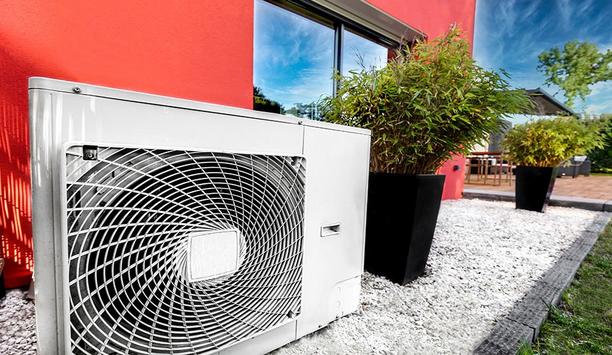
Harness The Heat, Pump Up The Savings
Download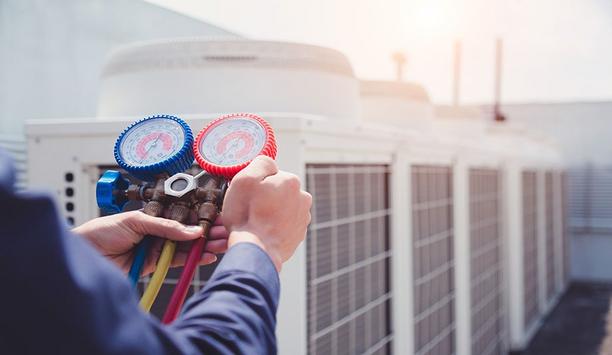
HVAC Systems In Harsh Environments
Download
Sustainability, Reliability & Efficiency
Download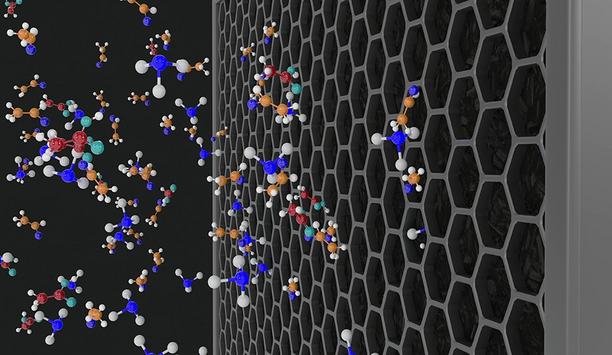
Air-Cleaning And Filtration
Download
Future Proofing Your Building
DownloadVideos

Commercial HVAC: Manufacturers & Suppliers
- Trane Commercial HVAC
- YORK Commercial HVAC
- Marley Engineered Products Commercial HVAC
- Rheem Commercial HVAC
- Bryant Commercial HVAC
- Mueller Refrigeration Commercial HVAC
- Nortek Commercial HVAC
- Data Aire Commercial HVAC
- Uponor Commercial HVAC
- Broan-Nutone Commercial HVAC
- Bosch Thermotechnology Commercial HVAC
- AAON Commercial HVAC
- Ruud Commercial HVAC
Safety Certification Of IT Equipment Cooling In Data Centers
Download
The Advantages Of Cooling Tower Retrofits Using EC Fan Arrays
Download
The Water Is Fine: Diving Into Air-To-Water Heat Pumps
Download
Heat Pumps: Expert Insights
Download
The Hidden Energy Drain
Download