Building Management
Carrier Global Corporation, a global pioneer in intelligent climate and energy solutions, today announced a major milestone in the U.S. Department of Energy’s (DOE) Commercial Building HVAC Technology Challenge with the launch of commercial field trials for its next-generation rooftop heat pump technology designed for broad commercial adoption. “After proving our innovation in the lab, we’re thrilled to show how it performs in operating commercial environments. Our engineering...
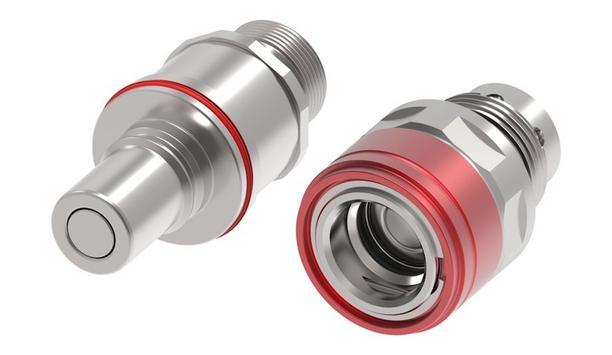
Danfoss Power Solutions announced the launch of its Danfoss Hansen® MQD and MQDB series of quick-disconnect couplings, engineered for single-phase water/glycol cooling systems in electronics and data center liquid cooling applications. The MQD hand-mate and MQDB blind-mate couplings feature a compact design ideal for high-density server racks. The couplings are fully interchangeable with MQD couplings from other vendors. Danfoss MQD and M...
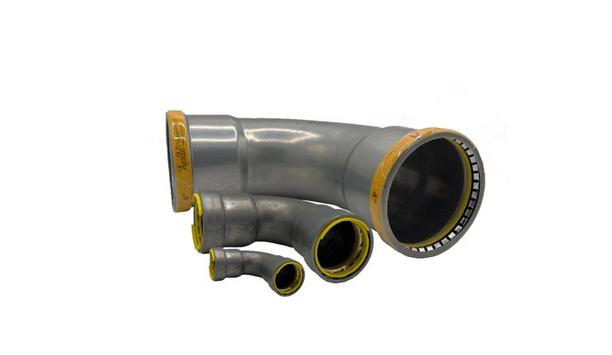
Aalberts Integrated Piping Systems (IPS), a pioneer in advanced integrated piping systems for the distribution and control of liquids and gasses, will feature its latest carbon-steel press, valve, and data center solutions at the AHR Expo in Las Vegas, happening February 2-4, 2026. Aalberts IPS will be co-located with Aalberts hydronic flow control at booth SL1364, where visitors can see application-focused displays and experience table games with the opportunity to win prizes. HVAC and indust...
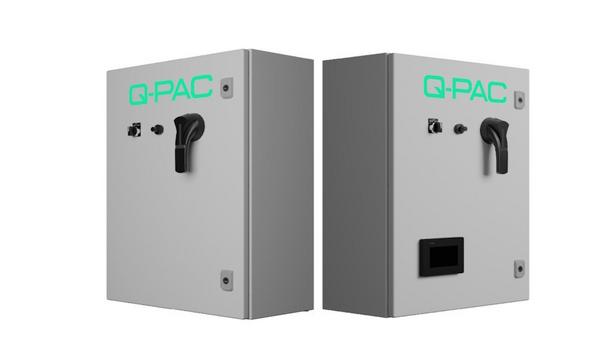
Q-PAC, a pioneer in the design and manufacturing of advanced commercial HVAC fan systems, announces two newly released control panel options: the Fan-Only and Fused Disconnect solutions. These options formally join Q-PAC’s lineup of Basic and Premium Control Panels, providing engineers, contractors, and facility teams with expanded choices and streamlined integration for every HVAC fan project need. Design and Controls Both the Fan-Only and Fused Disconnect options are designed to...
In facilities with high volumes of foot traffic, the constant opening and closing of doors not only lets in chilly air but can cause heating problems for the entire building. Cold drafts bring the temperatures down, so while main rooms benefit from the warmth of the building’s primary heating system, many other areas are left to deal with the arctic side effects. Vestibules, lobbies, entrance ways and hallways are frequently populated, so it’s imperative that facilities hunker down...
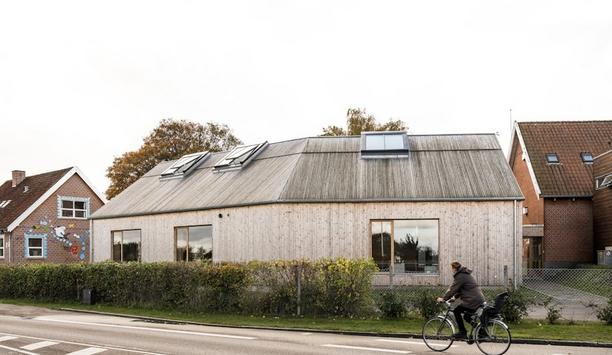
Now, WindowMaster, one of the world’s pioneering natural ventilation specialists, announces it has achieved EN 12101-2 certification for its smoke and heat exhaust ventilation (SHEV) solution, when integrated with Schüco's AW RO 50 profile system. In an industry first, this new system combines Schüco's advanced AW RO 50 profile with WindowMaster’s high-precision actuator technology to deliver combined smoke extraction and hybrid ventilation capability. Crucially, this dual...
News

Carrier introduces i-Vu® Pro v10, a next-generation building automation system (BAS) designed to help facilities of all sizes enhance operational efficiency, collaboration, and resilience. Designed for seamless integration with Carrier HVAC equipment, i-Vu Pro v10 provides facility managers and technicians with powerful tools to support smarter building performance and more connected stakeholder engagement. Carrier is a part of Carrier Global Corporation, a pioneer in intelligent climate and energy solutions. Complex data into clear insights “With i-Vu Pro v10, facility teams can now collaborate more effectively, respond quickly to building issues, and streamline operations,” said Dominic Eorio, Director, Carrier Controls. “By turning complex data into clear insights, we help customers manage energy use, enhance comfort, and support business continuity—all while simplifying day-to-day building management.” Outcomes That Matter Faster Decisions & Teamwork: Facility teams can share dashboards, trends, and reports securely with stakeholders, even if they don't have direct BAS access. This facilitates clearer communication, supporting faster responses to building needs and more informed decision-making across teams. Enhanced Performance Monitoring: Advanced visualization tools make it easier to interpret building data, spot trends, and take timely action. Teams can identify opportunities to optimize energy use and improve comfort. Business Continuity & Rapid Recovery: Automated, real-time system backups support rapid recovery from unexpected events, minimizing downtime and maintaining operational continuity. Proactive Maintenance & Energy Optimization: i-Vu’s AI-powered predictive insights add-on enables proactive building management. By continuously monitoring HVAC and BAS data, facility teams can identify potential issues early, reduce unplanned outages, and help optimize energy efficiency. Security & Compliance Confidence: A modernized system architecture and alignment with industry standards helps organizations meet regulatory requirements and protect sensitive building data. Flexible Deployment Options: Organizations can choose between on-premises or cloud deployment, allowing them to tailor their automation strategy to specific operational needs, with secure connectivity and reliable data protection. Streamlined Commissioning: Technicians benefit from streamlined workflows and automated commissioning tools designed to reduce setup time and minimize errors, while supporting faster project delivery and system reliability. Efficient Device Management: Smarter network discovery tools assist teams in locating and configuring BACnet devices, saving time and boosting productivity during system expansions or upgrades. Availability Carrier’s i-Vu Pro® v10 is now available for order.
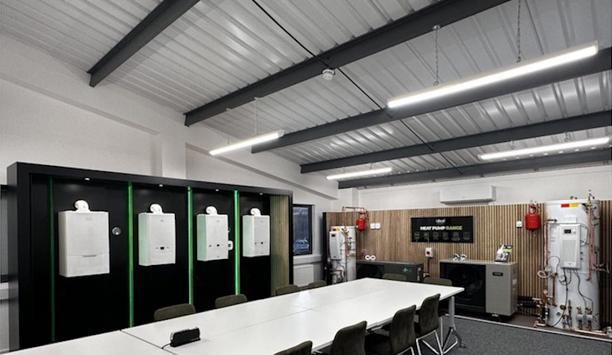
Ideal Heating is set to open its fifth Expert Academy training center, a brand-new purpose-built facility in Portishead, near Bristol. Developed in partnership with James Hargreaves Plumbing Supplies, the new center will bring industry-renowned training and hands-on experience to heating engineers and installers across the South West. Conveniently located just off the M5, the site offers easy access for installers traveling from Cardiff, Worcester, Reading, and Exeter, making it more simple than ever to upskill in low-carbon heating technologies without traveling long distances. Operational heat pump systems The Portishead center will deliver a comprehensive range of courses, from nationally recognized qualifications in air source heat pumps and hydronic system design, to domestic product training on Ideal Heating’s latest solutions. To support the industry’s transition to renewable technologies, many of the courses will be subsidized or fully funded, helping more installers gain the skills needed for the UK’s journey to Net Zero. Designed around real-world learning, the facility features fully operational heat pump systems and thermodynamic training rigs. Trainees will gain practical, hands-on experience with the very latest equipment in a modern, professional setting – reflecting Ideal Heating’s commitment to building installer confidence and capability. Growing number of installers Andrew Johnson, Training and Design Services Director at Ideal Heating, said: "We’re delighted to be opening our fifth Expert Academy, and especially proud to be doing so in partnership with James Hargreaves. This fantastic new facility will make it easier for heating professionals across the South West to access our award-winning training and build their knowledge in low-carbon technologies." "It’s another important step in expanding our national training network and supporting the growing number of installers who are ready to make the move to heat pumps.” Ideal Heating’s Expert Academy network Martin Healy, National Branch Director at James Hargreaves Ltd added: “We’re proud to be partnering with Ideal Heating to bring the new Expert Academy center to life. Training and supporting installers is so important, and this facility takes that to the next level. It’s fantastic to see such a modern, hands-on space that will help local engineers build their confidence with heat pumps and low-carbon technologies.” Ideal Heating’s Expert Academy network is now one of the largest heat pump training programmes in the UK, with more than 30 locations nationwide – including flagship centers in Hull, Leeds, Luton and Scotland – and 25 satellite sites. Together, they provide the skills and confidence needed to deliver high-quality, low-carbon installations across the country. The Portishead center is set to open late November 2025, with courses beginning shortly afterwards.
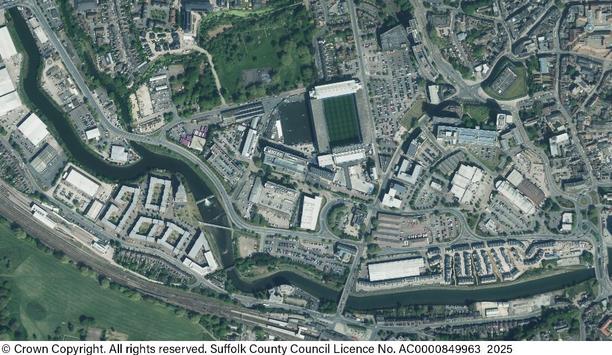
Some of central Ipswich’s key workplaces and community buildings could be heated in a revolutionary way, thanks to a new heat network. Suffolk County Council has been leading on the feasibility of a heat network project since 2021, and has now secured £10 million from the government’s Green Heat Network Fund to make it a reality. Secure and affordable energy The project will work by harnessing natural occurring heat from the River Gipping, and delivering the energy to buildings across Ipswich. Heat networks using renewable energy have the potential to heat homes and workplaces in a way that improves local air quality, reduces carbon emissions, and, as part of a wider package of measures, delivers secure and affordable energy. Public buildings across Ipswich Councillor Richard Rout, Suffolk County Council’s Cabinet Member for Devolution, Local Government Reorganization and NSIPs, said: “This will be a significant project for Ipswich, one which the county council is proud to have been leading on for a number of years, and has now secured a successful funding bid." “By taking energy from the River Gipping, there is the potential to provide over 35 GWh of heat each year to public buildings across Ipswich – enough to power around 40 buildings in the first phase, ranging from offices to community buildings. We have been in discussions with a number of potential beneficiaries, and the first buildings could be connected as early as 2028." “This can deliver hugely positive upgrades to the town: affordable energy for businesses, protection from volatile energy markets, jobs and growth for the local economy and placing Ipswich as one of the country’s forward-thinking towns when it comes to ensuring local energy security.” Potential for expansion of the network As part of the project, the county council will be continuing to work with local colleges and the university to support the development of green skills locally, offering vocational and academic training and qualifications in the district heating sector, and supporting over 50 local jobs. Learning from the project will then allow the potential for expansion of the network in other parts of the town, as well as other locations in Suffolk. The county council is committed to working through the shared Suffolk Climate Emergency Plan, helping to deliver cleaner power and supporting local industry and commerce in the local public and private sector – delivering for residents, the community and environment.

Trane Technologies, a climate innovator, and Amazon announce groundbreaking results through advanced AI to improve energy efficiency and decarbonization in key real estate assets. The project, powered by Trane Technologies through BrainBox AI, in conjunction with AWS, showcases a successful collaboration in building decarbonization, delivering proven solutions that reduce energy use and carbon emissions. Optimizes HVAC systems Initial deployment at three pilot Amazon Grocery fulfillment facilities in North America exceeded expectations, achieving energy-use reductions of nearly 15% - more than double the original project targets. BrainBox AI, acquired by Trane Technologies, autonomously optimizes heating, ventilation, and air conditioning (HVAC) systems, reducing energy consumption, carbon emissions, and operational costs without compromising comfort or performance. Following the success of these initiatives, deployment is planned for the remaining Amazon Grocery fulfillment and distribution centers across more than 30 sites in the U.S. Furthermore, plans to pilot in grocery stores will begin in 2026. Objectives and bold sustainability goals “At Trane Technologies, sustainability is at the core of everything we do. This strategic collaboration demonstrates how sustainable solutions can drive strong returns while benefiting the planet,” said Riaz Raihan, SVP and Chief Digital Officer of Trane Technologies. “Together, we’re not only transforming these fulfillment centers but also driving meaningful progress towards Amazon’s business objectives and bold sustainability goals.” Sustainability and performance goals in real time This initiative aligns with Amazon’s two-pronged approach to sustainability: decarbonizing existing buildings through smart technology while prioritizing energy-efficient and low-carbon materials in new construction. It also advances Amazon’s commitment to reach net-zero carbon by 2040 under The Climate Pledge, while enhancing operational efficiency and long-term cost savings. “At Amazon, we’re continually looking for data-driven, scalable solutions to reduce our carbon footprint while maintaining operational excellence,” said Christina Minardi, Vice President of Worldwide Grocery Stores Real Estate and Store Development at Amazon. “By working with Trane Technologies and the BrainBox AI team, we’re turning our buildings into intelligent systems that learn and adapt, helping us meet both our sustainability and performance goals in real time.” Climate-focused technology innovation In 2024, BrainBox AI was selected as one of the eleven innovative start-ups to participate in the Amazon Sustainability Accelerator Climate Tech Pilot. As part of this program, BrainBox AI was given the opportunity to trial its technology within Amazon’s operations, contributing to Amazon’s broader efforts to address major sustainability challenges. Using AWS’ AI technology which contains over 10 key AWS solutions such as Amazon S3, and Amazon Bedrock, BrainBox AI cleared the pathway for the Amazon Grocery fulfillment sites’ contribution as a driver of progress toward this goal. Its inclusion in the accelerator cemented the company as a recognized pioneer in climate-focused technology innovation, working alongside other start-ups to drive impactful change within large-scale operations. Advanced building management and digital capabilities “Amazon’s global scale and leadership in sustainability make this collaboration a transformative milestone,” said Jean-Simon Venne, Founder and President of BrainBox AI. “Together, we’re showing how cutting-edge AI can drive both economic and environmental impact, creating a world where every building is a proactive participant in the fight against climate change.” Trane Technologies acquired BrainBox AI in January 2025. The companies previously teamed up for more than two years, combining BrainBox AI’s pioneering artificial intelligence technology with Trane Technologies’ advanced building management and digital capabilities.

Ideal Heating is kicking off the festive season with its first ever Christmas jumper fundraiser. The one-of-a-kind, limited-edition knit is available to pre order now exclusively through Ideal’s Connect platform, with 80% of every sale going to Shelter UK, the housing and homelessness charity. Installers should move fast, with around 200 jumpers being released. Pre orders are live now – giving installers time to wear them on site, during winter call outs or on their Christmas night out. Christmas jumper campaign Each jumper can be redeemed using Connect points, with Ideal Heating covering all postage costs. If users are not already using Connect, now is the perfect time to sign up and start collecting points so they can secure the Christmas jumper while stocks last! This is the first time Ideal Heating has run a Christmas jumper campaign, and the team hopes it will become an annual tradition. The idea brings together two things that matter to installers at this time of year: keeping homes warm and doing something practical to support people who may not have a safe place to call home. Providing frontline services Luke Pykett, Head of Marketing at Ideal Heating explained a little bit more about the campaign: “We spend our days helping installers keep people’s homes warm and comfortable. Shelter’s work is a reminder that for too many people, that basic need is still out of reach. The charity provides frontline services and expert advice to people facing homelessness, and a Christmas Jumper campaign felt like a practical, positive way for us as a business and our installer community to help keep people safe and warm this winter.” Every 12 minutes, a family in England becomes homeless. For families stuck in temporary accommodation, life feels like being on hold. This Christmas, Shelter’s advisers are there to answer urgent calls, giving parents someone to turn to and helping families fight for a safe home. Users donation could mean another family gets the support they need, when they need it most. Families experiencing homelessness There are 172,420 children who are homeless living in temporary accommodation in England. This year, Shelter’s winter message remains the same - families experiencing homelessness face months if not years in unfit temporary accommodation, with little or no support. No family should face homelessness alone this Christmas. The jumpers will be available in sizes Small to XXXL and sold exclusively through Connect. Ideal Heating ASMs will also be wearing them at trade counters throughout December, directing installers to Connect and reminding them to grab one while they still can. Installers who want to get involved are encouraged to log in to Connect early, pre-order their jumper and wear it with pride throughout the festive period.
mSupply, a major North American distributor of HVAC, appliance and plumbing products, has relocated to a significantly larger warehouse to meet growing demand in Washington state and along the West Coast. The new Marcone Regional Distribution Center is located at 3201 SE Columbia Way in Vancouver, Washington's Columbia Business Center. It is 128% larger than the previous facility at 603 SE Victory Ave. At 80,000 square feet, the site features expanded parking, 10 additional loading docks and room for a broader and more diversified inventory - including new products and brands. Designed with technicians in mind, the RDC is stocked with thousands of critical repair parts. It also offers convenient 24/7 locker pickup, allowing customers to order online and retrieve or return parts securely at any time of day. Increased product diversity “We’re excited to have the extra space that allows us to better serve our customers in the Northwest,” said Phil Mause, Chief Commercial Officer at mSupply, adding “With increased product diversity and faster fulfillment capabilities, we’re making sure customers can always access the parts they need - exactly when and where they need them.” The new Vancouver facility is part of mSupply’s growing distribution network, which ensures next-day delivery to 93% of the U.S. population with flat-rate ground service. It joins a network of 14 regional centers across North America. Since 2024, mSupply has opened new RDCs in Denver, Colorado; Denton, Texas and Calgary, Alberta.

Expert Commentary

The data center market has shown robust growth over the past five years, with significant increases in capacity and electricity usage. According to the International Energy Agency (IEA), global data center electricity consumption was approximately 460 TWh in 2022, and it is projected to rise to over 1,000 TWh by 2026. This growth is driven by the increasing demand for digital services and the expansion of artificial intelligence (AI) workloads. In 2025, the total capacity demand for data centers is expected to reach 82 gigawatts (GW), with AI workloads accounting for 44 GW and non-AI workloads for 38 GW. By 2030, this demand is projected to increase to 219 GW, with AI workloads making up 156 GW. This significant growth underscores the importance of sustainable practices in the data center industry. Alternative Off-Grid Power Sources To meet the growing energy demands, data centers are increasingly turning to alternative off-grid power sources. These include solar power, wind turbines, micro-hydro power, and biogas generators. These renewable energy sources not only reduce the carbon footprint of data centers but also enhance their resilience by providing reliable power in remote locations. Green hydrogen, produced by electrolysis using renewable energy, also offers a sustainable alternative to traditional cooling methods, with the potential to significantly reduce greenhouse gas emissions. Continued Compute Growth and Liquid Cooling Nvidia's use of direct-to-chip liquid cooling and closed-loop systems has shown a 300x improvement The rapid growth in compute power, particularly with the introduction of platforms like Nvidia's NVL-576 600 kW, has significant implications for data center cooling. This platform, designed for high-performance AI workloads, requires advanced cooling solutions to manage the heat generated by such dense compute environments. Nvidia's use of direct-to-chip liquid cooling and closed-loop systems has shown a 300x improvement in cooling efficiency. Google's fifth-generation cooling distribution unit (CDU), known as Project Deschutes, is another example of innovation in this space. This CDU sidecar power rack supports up to 1 MW per rack, leveraging high-voltage DC power distribution to enhance efficiency and cooling capacity. Energy-Efficient Cooling Technologies Energy-efficient cooling technologies are critical for the sustainable operation of data centers. Some of the most promising technologies include: Direct-to-Chip Liquid Cooling: This method involves applying liquid coolants directly to the processors, providing superior heat dissipation and enabling servers to operate at optimal performance levels. Hybrid Rear-Door Heat Exchangers: These systems combine air and liquid cooling to manage heat more efficiently, particularly in high-density rack environments. Heat Reuse The elevated temperatures made by liquid cooling can also be harnessed in industrial processes Liquid cooling provides an additional opportunity to reduce energy consumption while enabling data centers to become contributors to community energy systems. Unlike traditional air cooling, which disperses heat into the atmosphere, liquid cooling captures heat more effectively, allowing the heat to be repurposed for the heating needs of nearby residential or commercial buildings. Heat pumps can be employed to raise the temperature of the excess heat to the temperature required by heating systems, resulting in greater energy efficiency. The elevated temperatures produced by liquid cooling can also be harnessed in industrial processes that require specific heat levels, such as pasteurization, drying or chemical processing. By utilizing this heat, industries can reduce their reliance on external energy sources, which in turn lowers operational costs and emissions. However, most areas in the U.S. lack the infrastructure to support district heating. Significant investment is required to develop the infrastructure needed to transport and utilize the heat, such as pipelines for district heating or retrofitting industrial processes. Depending on the region, there may also be legal or regulatory barriers to overcome. Policy and Community Engagement There is strong support for AI growth, with alliances involving companies like OpenAI and Meta Within the current U.S. administration, there is strong support for AI development, with partnerships involving companies like OpenAI and Meta. OpenAI, Meta, SoftBank and Oracle have joined forces for the Stargate Project, which aims to build AI data centers in the U.S. This project includes significant investments to create infrastructure that supports AI development. The Trump administration has identified 16 sites on federal land for the development of AI data centers. These centers are intended to provide the necessary processing capacity for machine learning, cloud storage, and AI systems. Heat reuse offers a powerful tool for sustainability and community engagement. By capturing and repurposing the waste heat, data centers can significantly reduce their environmental impact while providing tangible benefits to surrounding communities and industries. This approach not only supports decarbonization efforts but also fosters stronger ties between data centers and the communities they serve, creating a more sustainable and resilient future. Benefits and integration of data centers Data centers support local economies by creating jobs, providing reliable internet services Educating the community about the benefits of data centers is crucial to ensure the successful integration of data centers into local communities. Data centers support local economies by creating jobs, providing reliable internet services, and enabling technological advancements that improve quality of life. By highlighting these benefits, data centers can build stronger community support and enhance their social license to operate. The effort should combine outreach with online educational initiatives, collaborations with industry, academia, NGOs and multiple sources of in-the-field insight. Conclusion The data center market is poised for continued growth, driven by advancements in technology and increasing demand for digital services. By focusing on sustainability, heat reuse, and energy-efficient cooling technologies, the industry can meet this demand while minimizing its environmental impact. Engaging with communities and educating them about the benefits of data centers will further support the sustainable growth of this vital industry.

This year’s Clean Air Day falls on Friday the 19th June. In its eighth year, Clean Air Day has become the UK’s largest campaign dedicated to raising awareness of air pollution and its impacts on health and the environment. It also encourages individuals and organizations to take practical steps to reduce pollution and protect public health, both inside and outside buildings. Air quality should be a concern for everyone, but certain sections of society are disproportionally impacted than others, children in particular, which is why this year on Clean Air Day we are urging policymakers, educators, and building professionals to prioritize clean air in and around our schools and homes. Children Face a Greater Risk Children are particularly susceptible to the harmful effects of air pollution Children are particularly susceptible to the harmful effects of air pollution. Unlike adults, their lungs and immune systems are still developing, and their smaller body size means they breathe in more air relative to their body weight. This increased inhalation rate, coupled with greater time spent outdoors—especially during commutes to and from school—results in elevated exposure to pollutants like nitrogen dioxide (NO₂) and particulate matter (PM). Serious health consequences for children 15,000 children under the age of five were admitted to London hospitals with breathing difficulties in 2023 The effects of breathing in polluted air can have serious consequences for children. Clean air campaign group Mums for Lungs revealed that 15,000 children under the age of five were admitted to London hospitals with breathing difficulties in 2023. Although it’s not possible to determine how many of the admissions are directly linked to air pollution, a study by the University of Dundee found that children are significantly more likely than adults to be hospitalized due to respiratory issues caused by air pollution. Mental effects of air pollution Air pollution is not only linked to physical ailments such as asthma and bronchitis but also to decreased attentiveness and slower cognitive response times in classrooms. What's also very concerning is that the damage to children’s lungs is often irreversible. The Royal College of Paediatrics and Child Health has called for "bold but necessary policies" to protect young people and improve air quality, particularly around schools and hospitals. Unfortunately, many new schools are being built in areas that exceed World Health Organization air pollution limits. Between 2017 and 2025, 147 new schools in England—86% of all planned or constructed—will be in such zones. Surprisingly, there is no legal obligation to consider air quality in school planning, despite children spending up to 35 hours a week in these environments. Identifying the Invisible Threat Indoors However, indoor air pollution is an equally serious, yet often overlooked, issue When we talk about air pollution, the conversation often focuses on outdoor sources like vehicle emissions. However, indoor air pollution is an equally serious, yet often overlooked, issue—especially in schools and homes. Recent research from Birmingham University at a Cardiff high school found that particulate matter concentrations inside classrooms were influenced not just by outdoor pollution, but also by indoor activities, classroom location, and even flooring materials. In homes, sources of indoor pollution include cleaning chemicals, cooking emissions, and even everyday items like candles or air fresheners that release volatile organic compounds (VOCs). Without adequate ventilation, these pollutants accumulate, leading to poor indoor air quality (IAQ) that can affect children's health and ability to learn or sleep well. Schools, which typically include a variety of spaces such as classrooms, kitchens, sports halls, and even swimming pools, present their own set of ventilation challenges. Each of these environments requires specific ventilation solutions to ensure a safe and healthy atmosphere. The Role of Ventilation in Healthier Environments Effective ventilation is one of the most important tools we have in the fight against indoor air pollution. Properly specified and maintained ventilation systems can significantly improve IAQ by removing pollutants and regulating CO₂ levels. In classrooms, balanced mechanical ventilation with heat recovery—such as the Nuaire XBOXER XBC range—is ideal. These systems are capable of ventilating multiple rooms and come equipped with filters to remove incoming pollutants, offering both health and energy efficiency benefits. School ventilation challenges challenges Sports halls present different challenges, particularly with high CO₂ levels and odours Sports halls present different challenges, particularly with high CO₂ levels and odours. Packaged Air Handling Units are well-suited to these environments, offering high-volume air movement and the option of occupancy or CO₂ sensors to control the system efficiently based on use. For indoor swimming pools, where humidity and chlorine levels are high, Air Handling Units are also ideal, although will need to be corrosion-resistant. Meanwhile, in school toilets—frequent sources of unpleasant odours and bacteria—twin fan technology ensures continuous extraction, even if one fan fails. Kitchens benefit from bifurcated fans, which position the motor outside the airstream to prevent grease build-up and reduce maintenance needs. These tailored solutions demonstrate how smart ventilation can enhance IAQ across varied school settings. A Call to Action This Clean Air Day Clean Air Day is more than a date on the calendar—it’s a call to action. Road transport is a key contributor to NO₂ emissions, and efforts to promote walking, cycling, and public transport are important. However, tackling indoor air pollution is equally critical. We must recognize that protecting children from air pollution is not optional; it is a moral and public health imperative. No child should have to breathe polluted air simply to learn, play, or sleep. By investing in targeted ventilation strategies and supporting evidence-based policy, we can give every child the clean air they deserve—and build a healthier future for all.

Meeting a project’s overarching design goals is vital in the building and construction sector. Creating a sustainable building could be one of these goals — driven by company commitments, federal policies, and state-based initiatives. However, the priorities of minimizing capital and long-term operating costs and maintaining project timelines often prevail. Frequently, the perception in the industry is that these priorities — especially cost — are incompatible with designs and technologies that help decarbonize buildings. Cutting emissions and optimizing costs Organizations can take an incremental approach without compromising on cost However, our experience with heating, ventilation and air-conditioning (HVAC) systems has shown that cutting emissions and optimizing costs are not mutually exclusive when we leverage the right technologies and design strategies. Decarbonization isn't a one-time event. Reducing emissions is a continuous process with many paths. Organizations can take an incremental approach without compromising on cost. Finding the right balance requires weighing project priorities, the building’s environment, short- and long-range facility plans and available technology solutions. To achieve this balance, energy modeling is an essential tool. Weighing up design goals When it comes to sustainability and decarbonization in HVAC systems, there are three primary levers: electrification of heating using heat pumps, improving energy efficiency and using lower global warming potential (GWP) refrigerants. Cost priorities can often be aligned more easily with sustainability goals than expected Each project's physical environment and framework conditions will influence the mix of these three levers. Cost priorities can often be aligned more easily with sustainability goals than expected. For example, the local climate substantially impacts electrification. In hotter climates, electrification is far easier than in cold ones, where heat pumps require much more electricity when heating. In extreme cold temperatures, heat pumps will eventually require a back-up like natural gas (NG) to provide supplemental heat. A hybrid system using NG as a back-up to the heat pump also avoids oversizing the heat pump to cope with the most extreme conditions – which only occur infrequently. Hybrid heating systems come into their own Hybrid systems can significantly reduce emissions compared to traditional fossil-fuel-only heating systems and save costs, especially in areas with access to cheap renewable electricity from solar PV plants, wind farms and hydro or geothermal sources. By switching over to NG when temperatures get too low or when insufficient renewable electricity is available, building owners can not only save costs but also hedge against grid outages in the coldest months of the year. It’s critical to pick the right point for your hybrid system to switch from one fuel source to another. By changing to the lowest rate — electricity or gas prices — at any particular time, you can save money while making significant CO2 savings. Alternatively, the time to switch could be based not only on energy costs but also on emissions reductions, allowing the designer to optimize around different design goals. Sustainability doesn’t necessarily command a premium A study from the National Renewable Energy Laboratory demonstrates that decarbonization and broader sustainability goals can be achieved alongside other design goals. When comparing conventional school buildings with zero-energy schools — buildings that produce as much renewable energy as they need to operate — the NREL found that the latter offers several benefits. Zero-energy schools require less energy and offset demand using on-site renewable energy. Zero-energy schools require less energy and offset demand using on-site renewable energy The study indicates that zero-energy school buildings can be designed and built within conventional budgets — and they can cost less. By applying an integrated approach to design and construction, the extra cost of the zero-energy systems can be offset by the greater efficiencies they facilitate. The study lists downsizing heating, ventilation and air conditioning among the benefits that help reduce capital and operational expenditures. However, as we have seen, balancing each building's inherent complexities is the key to achieving these benefits. This is where energy modeling comes into play. Balancing sustainability and design goals Energy models tie together all factors affecting HVAC design and installation. They are a tool for comparing many design alternatives quickly and cost-effectively to find the most appropriate solution to the project’s design goals. Energy modeling can simulate various system configurations to show the effect of using different types of equipment, such as an electric heat pump compared to a conventional HVAC system. Modeling can also factor in decarbonization policy incentives that may affect the economics and viability of a proposed system. Various system-design options In addition, life-cycle analyses of different keys can provide a clearer long-term financial picture In addition, life-cycle analyses of different solutions can provide a clearer long-term financial picture. Models can forecast long-term costs, performance and return on investment of various system-design options, which can make it easier to get sign-off projects from investors. With its data-driven approach, energy modeling can also prevent overengineering that could lead to unnecessary expenses. A US Department of Energy study has shown that projects using energy modeling perform better and can have shorter returns on investment than those that don’t. The future of HVAC: A harmonized approach As sustainability codes, standards and regulations evolve throughout the US, energy modeling becomes increasingly vital for harmonizing environmental priorities with core design objectives — enabling balanced, effective solutions that drive greener, more resilient outcomes for buildings, businesses and the planet. By integrated advanced modeling practices into the design process, the HVAC industry can support the transition to a low-carbon future without sacrificing economic feasibility or operational efficiency. HVAC industry can support the transition to a low-carbon future without sacrificing economic feasibility. Example analysis A 54,000 ft² office building prototype, compliant with ASHRAE 90.1 standards, was modeled in Denver, Colorado, using Daikin Applied EA Pro software, powered by the US DOE’s EnergyPlus simulation engine. Rebel® heat pump rooftop units were assigned to serve the building. Two HVAC alternatives were analyzed for the heat pumps: (1) electric back-up and (2) gas back-up. The Environmental Protection Agency’s eGRID emission factors, representing the greater Denver regional grid, were used to calculate emissions, along with average electricity and gas utility rates for the region. Electric back-up scenario The results indicate that while total energy usage is lower with the electric back-up scenario—due to the higher efficiency of electric resistance heating compared to gas combustion—the annual utility costs and equivalent carbon emissions are lower with the gas back-up scenario. This is primarily because of higher electric utility rates and the electric emissions profile of the regional electric grid. The annual utility costs and equivalent carbon emissions. This example represents a specific scenario for demonstration purposes but highlights the importance of holistic, project-specific considerations when evaluating design alternatives to meet customer goals.
Editor's Note

As the skilled workforce retires, college costs rise, and demand grows for hands-on careers, there has never been a better time for apprenticeships in industries like HVAC. As more people seek alternatives to traditional four-year degrees, vocational training offers a faster, more affordable path to meaningful work, and apprenticeships can play an important role. Apprenticeships come in many different forms, but all programs strive to build knowledge and skillsets for employees. Apprenticeships provide a long-term solution to labor shortages by developing a workforce that is trained, engaged, and aligned with industry needs. Ziehl-Abegg apprenticeship program The success of the Ziehl-Abegg training program suggests options to embrace a similar approach In the HVAC market, fan manufacturer Ziehl-Abegg offers an apprenticeship program that is a structured, rotational experience designed to prepare individuals for long-term careers in ventilation and advanced manufacturing. The success of the Ziehl-Abegg apprenticeship program suggests opportunities to embrace a similar approach throughout the HVAC industry. At Ziehl-Abegg, apprentices receive hands-on training across core business functions, including engineering, operations, sales, logistics, and assembly. The immersive approach ensures they not only develop technical skills but also understand how departments work together. Benefit from apprenticeships “The program strengthens retention, builds internal expertise, and aligns with our long-term growth goals,” says Layel Burton, Ziehl-Abegg’s Apprenticeship Coordinator. “By training apprentices in-house, we cultivate a workforce deeply familiar with our products, systems, and culture — creating highly capable employees who can grow with us as we expand our North American operations.” Businesses benefit from apprenticeships by gaining talent trained to meet specific needs, while communities gain a more resilient workforce. At Ziehl-Abegg, apprenticeships have helped to bridge labor gaps and to scale with confidence. With proper investment, apprenticeships can reduce unemployment, drive innovation, and help rebalance the economy by elevating careers that are essential but often underrecognized. Front lines of HVAC performance Contractors should understand how a fan or system was designed and tested at the manufacturing level Installers and contractors are on the front lines of HVAC performance, and well-structured apprenticeships can give them the technical depth and context needed to excel. When contractors understand how a fan or system was designed and tested at the manufacturing level, they are better equipped to install and troubleshoot it correctly, Burton contends. “Our apprenticeship program teaches the ‘why’ behind the ‘how,’ which is something the entire HVAC chain can benefit from,” says Burton. “Manufacturers, service companies, and distributors alike should invest in mentoring programs to create field professionals who are not only capable but confident and connected to the bigger picture.” Skilled roles in ventilation and advanced manufacturing The Ziehl-Abegg program exposes apprentices to every major department — from engineering and logistics to quality and production. This cross-functional experience prepares them to step into skilled roles in both ventilation and advanced manufacturing. “Apprentices graduate not only with technical skills but also a deep understanding of our business, making them agile, dependable team members who are ready to support growth in the HVAC sector,” says Burton. Apprentice programs offer a range of benefits at any level of the HVAC supply chain. Structured partnerships Structured alliances among schools, firms, and rules ensure even training and smooth workforce entry Ziehl-Abegg is a German company, and in Europe, apprenticeships are deeply embedded in the education system and viewed as a respected career path—not an alternative to college, but a parallel track. Structured partnerships among schools, businesses, and government ensure consistent training and smooth workforce entry. In the U.S., apprenticeships are gaining momentum, but still lack the widespread infrastructure and cultural normalization seen in Europe. “At Ziehl-Abegg, with roots in Germany, we have adapted that model to our North American operations,” says Burton. “The U.S. can learn from Europe’s commitment to workforce alignment by promoting apprenticeships early, building stronger industry-education pipelines, and removing the stigma from vocational training.” Proficiency, thinking, and collaboration skills How can a company find great apprentice candidates? “A good apprentice brings curiosity, reliability, and a willingness to learn,” says Burton. “At Ziehl-Abegg, we look for individuals who show interest in hands-on work, ask questions, communicate well, and have a strong work ethic.” While technical knowledge is helpful, attitude and drive matter more, he notes. “Our program helps build confidence and competence by exposing apprentices to real responsibilities and rotating them through engineering, production, and logistics.” This experience develops technical proficiency, critical thinking, and collaboration skills. Apprentices leave the program not only prepared to take on a skilled role—but also with the mindset to grow into future pioneers. Aptitude and ambition to learn Baxley was a good match for the program because he had the aptitude and ambition to learn and work Joshua Baxley, Ziehl-Abegg Technical Sales Rep, Global Key Accounts, was an apprentice before joining the team full time. “I was drawn to apprenticeships because I was uncertain of what I wanted to do with my career,” says Baxley. “The apprenticeship program with Ziehl-Abegg provided an excellent opportunity to discover what type of career and profession I wanted to pursue by providing me the opportunity to work in all the departments at the company while paying for my education.” Baxley was a good match for the program because he had the aptitude and ambition to learn and work hard each day. These attributes helped him become knowledgeable of the company and the products as well as building strong relationships with colleagues. Four years of on-the-job experience The program allowed Baxley to get his foot in the door and gave him the opportunity to gain four years of on-the-job experience by the time he graduated. “All of this gave me the confidence each day to interact with customers and become well-versed in the world of engineering and sales,” he says. “The unexpected benefit I received from the program are the relationships and connections I was able to build throughout the company and the industry.” “The apprenticeship at Ziehl-Abegg provided me with like-minded people my age that I created close friendships with while also building relationships with the people in each department I worked in,” says Baxley. “I highly suggest anyone to join apprenticeships if they have any uncertainty on their career path or if they can find an apprenticeship that matches their career choice and interest.”

Viessmann Climate Solutions (VCS) has combined with Carrier to become the core of Carrier’s newly formed business unit Residential and Light Commercial for European, Middle East and Africa. This business unit is now able to offer brands like Carrier, Toshiba, and Beretta next to the premium brand Viessmann, thus covering additional user segments with differentiated products at various price points. Climate system technology “The climate system technology of Viessmann Climate Solutions and the cooling-focused systems of Carrier combine two core competencies that will be crucial in responding to individual customer needs worldwide,” says Thomas Heim, President, Residential & Light Commercial HVAC for Europe, Middle East, and Africa. “Carrier expands the Viessmann portfolio in the area of air conditioning and enables seamless integration of heating and cooling.” Carrier’s acquisition of Viessmann Climate Solutions There was huge media interest in Carrier’s buy of Viessmann Climate Solutions when it was revealed There was huge media interest in Carrier’s acquisition of Viessmann Climate Solutions when it was announced more than a year ago. In media interviews, Carrier Chairman & CEO David Gitlin; Max Viessmann, CEO and Member of the Executive Board of the Viessmann Group, which owned Viessmann Climate Solutions prior to Carrier’s acquisition; and Heim presented the many advantages the combination would bring. Advantages apply both to the product portfolios, which perfectly complement each other, and to the optimized development of global markets. A year later, the feedback is extremely positive, says Heim. Latest developments in the Viessmann system The sentiment was confirmed by numerous conversations with installers at the ISH 2025 trade fair in March in Frankfurt. “The advantages of this combination between Viessmann Climate Solutions and Carrier are clearly noticeable for everyone involved,” says Heim. The latest developments were well received by the 100,000 visitors to the booth at ISH, with particular interest in the Viessmann system connecting several products into a solution based on full stack controls platform Viessmann One. Residential and commercial sector customers The alliance meets the needs of residential and commercial sector clients with a multi-brand portfolio Also at ISH, Viessman highlighted the newly created alliance of Viessmann, Carrier, Riello, and Beretta around the theme “Power Play as One Team.” The alliance meets the needs of both residential and commercial sector customers with a multi-brand portfolio of heating, ventilation and cooling solutions for all output ranges and price levels. “Together with Carrier, we are in an even better position to provide solutions that address climate challenges by reducing CO₂ emissions and increasing energy efficiency,” says Heim. Digital tools and ecosystems The expanded product line builds on the strong longstanding collaboration of Viessmann Climate solutions with installation partners. For example, the addition of (light) commercial Carrier heat pumps to the portfolio enables leveraging together existing digital tools and ecosystems with this expanded offering. “This increases the relevance of our ecosystems for both our installers and users,” says Heim. Culture of collaboration The focus from the start has been on creating a culture of collaboration among both teams When integrating companies, it is always about bringing people together and providing a framework that allows them to unlock their full potential, says Heim. Thus, the focus from the beginning has been on creating a culture of collaboration that allows the teams from both companies to contribute their unique talents and strengths. “We are convinced that we have found the right formula and that combining Carrier and Viessmann Climate Solutions will lead to 1 + 1 > 4,” he says. “To get there, our shared purpose and values play an important role in this successful integration.” Carrier product portfolios “Companies can only be successful if they think and act globally and operate in a spirit of co-creation,” says Heim. Combining the Viessmann Climate Solutions and Carrier product portfolios creates added value for all installation partners and users. The increasing complexity of the HVAC industry is contributing to a trend toward company consolidation. “Let's be honest: in the past, you simply installed a gas boiler,” says Heim. PV installation They also offer a design tool on the Internet and even financing with the help of a partner bank Heim added: “Today, it's often about heat pumps, battery storage, photovoltaics, wall boxes and an energy management system that links everything together. It's all extremely complex. That's why we are constantly training our installers and at the same time reducing their workload." "Many of our installers don't want to climb on a roof, which is fine. We then look for facilitating a service provider that adds the PV installation to the holistic offering of our partner company.” They also offer a configuration tool on the Internet and even financing with the help of a partner bank. Climate-neutral by 2050 Data centers will also play a bigger role in the future. For example, a typical office building in Manhattan requires only three cooling units, while a data center they are currently working on requires 140. An AI chip generates seven times more heat than a conventional chip. “This market is huge, and we are determined to play an important role,” says Heim. The building sector produces 40 percent of CO2 emissions in Europe. Therefore, a transformation to renewable energies is necessary to become climate-neutral by 2050. Viessmann products and systems “For us, as a manufacturer, this means that we continue to encourage the building electrification system strongly,” says Heim. Viessmann products and systems offer installers the basis for a sustainable climate solution offering for their users. Almost all areas, from single- and multi-family houses to commercial and industrial buildings and municipal facilities, can be covered by the system portfolio. New hydraulic interface Regardless of the outdoor unit (ODU), the new components always match the indoor unit (IDU) Heim highlights three notable products as part of the Viessmann System Solution. Users can now choose between the high-efficiency, high-comfort Vitocal 250-A and the more economical Vitocal 150-A domestic air source heat pumps. Regardless of the outdoor unit (ODU), the new components always match the indoor unit (IDU). This high level of flexibility pays off for the installers in significantly shorter installation times, and users only pay for what they actually need for their heating system. The new hydraulic interface also saves time during installation. Vitocharge VX3 storage unit The Vitocharge VX3 storage unit is one of the most proven battery storage units in its class. Its maximum storage capacity of 75 kWh (5 modules of 15 kWh each) is particularly suitable for large, detached houses and apartment blocks, as well as for smaller commercial applications such as supermarkets or craft businesses. Following on from the large power classes, the smaller modules can now also be cascaded at 4.6 kVA. Flexible installation options are now available, including corner or horizontal mounting, which allow for optimal adaptation to on-site conditions.

Data centers play a pivotal role in supporting the flow of information across our digital economy. However, the transmission of large amounts of data also requires a lot of energy. Viewing data centers as potential heat sources offers an opportunity to use this otherwise wasted heat to warm nearby homes and businesses using technologies like heat pumps and heat networks. The approach will lower the environmental impact of these buildings filled with computer servers, and it will support the transition to renewable heating as we look toward net zero. Heat recovery systems Heat recovery systems are designed to facilitate the re-use of heat energy via technologies like heat pumps Heat recovery systems are designed to facilitate the re-use of heat energy via technologies like heat pumps and heat networks, says Simon Prichard, EMEA ITC Business Leader, Mitsubishi Electric, within the Living Environmental Systems division. The heat generated by data centers, usually around 30-35°C (85-90°F), is increased by heat pumps to 70-80°C (160-175°F), making it suitable for heating nearby buildings or supplying hot water. “However, when choosing which heat recovery approach to go for, it's important to take into account the data center’s size, location, and proximity to the desired reuse location,” says Simon Prichard, adding “These factors determine the most efficient method for heat recovery and distribution.” Reusing heat from data centers via heat pumps “Reusing heat from data centers through heat pumps and heat networks drives down costs by reducing the amount of heat going to waste and ultimately increasing energy efficiency,” continues Simon Prichard. However, Simon Prichard emphasizes these cost benefits must be communicated and outlined clearly to ensure stakeholders are aware. More awareness will, in turn, drive adoption forward. Wider awareness and adoption Wider awareness and adoption are already happening with plans for utilizing waste heat within London's district heating networks, notes Prichard. The scheme uses ejected heat from a data center to power heating demand for nearby homes A real-life example is Amazon’s Tallaght data center in Dublin, which is the country's first low carbon district heating network. The scheme uses ejected heat from a data center to power heating demand for nearby homes, and peak requests in winter are satisfied by dedicated heat pumps and a heat pump module. The network is estimated to reduce pollutant emissions in the South Dublin County region by nearly 1,500 tons per year. Mitsubishi Electric’s CPD-Certified Guide Mitsubishi Electric’s newly released CPD-Certified Guide aims to educate data center owners, managers and policymakers on the role heat reuse can play in decarbonizing these buildings. “It provides insight into how we can reduce the carbon footprint of these spaces by viewing them as a source of heat energy, as well as the solutions available and what needs to be considered before making the switch,” says Simon Prichard, adding “In doing so, it aims to support owners and managers in transitioning to heat recovery in their building and reducing the environmental impact of these spaces to support the United Kingdom’s wider journey towards net zero.” Communicating the benefits of heat reuse in data centers “Communicating the benefits of heat reuse in data centers can promote greater cooperation from stakeholders – whether that's owners and managers, governments, or manufacturers,” says Simon Prichard. Raising awareness of the environmental impact of data centers and the role heat recovery can play in reducing that impact can position data centers as part of the solution for a decarbonized future. Developing heat networks “Continuing to develop heat networks at the same scale as other European countries will also help make reusing this energy to heat surrounding buildings a reality and put what we see across other countries into practice in the UK,” states Simon Prichard.
Case studies

Tourism has long been a key economic driver for Philadelphia—which is the 6th largest city in the U.S. and designated as a UNESCO World Heritage City. The Pennsylvania Convention Center (hereinafter Center), located in the heart of Center City, Philadelphia, serves as one of the City’s pillars in supporting the conventions and meetings industry. With typical visitor traffic welcoming over 1 million guests a year, the 2 million square foot Center helps drive $600 million worth of meeting and convention activity in Philadelphia. CO2 emissions reductions Supported by a collaborative quasi-government structure that represents city, county, and state stakeholders The positive economic ripple effect buoys business to the region’s hotel industry, dining and entertainment venues, retail stores, transportation commerce, and historical and cultural attractions. Supported by a collaborative quasi-government structure that represents city, county, and state stakeholders, the Center—a $1.3 billion investment—serves as a critical regional economic engine, as well as a source of civic pride. The 2020 pandemic, and the associated downturn in convention and meeting business, served as an opportunity for the Center to upgrade and modernize the facility, enhance health and safety infrastructure, and redouble its commitment to sustainability and related CO2 emissions reductions. Strategic upgrade plan With a goal to modernize the facility and reduce operational environmental impact, plus offer visitors a safe, comfortable, and positive customer experience, the Center’s stakeholders wisely invested $15 million in infrastructure upgrades. The strategic upgrade plan included deploying state-of-the-art air purification and ventilation, technologies that lower water use, energy-efficient LED lighting, new reflective roofing, expanded recycling, and streamlined management of HVAC, lighting, and power. Siemens alliance provides expertise needed for digital change Siemens has supported numerous multiphase, infrastructure improvement and upgrade projects To help convert this vision into reality, the Center decided to turn to its long-term technology partner—Siemens. Since the Pennsylvania Convention Center’s inception in 1993, Siemens has supported numerous multiphase, infrastructure improvement and upgrade projects. To help the Center implement its latest modernization and decarbonization initiatives, Siemens contributed technology and expertise in the following ways: Energy efficiency Through a Siemens Energy Services Conservation (ESCO) partnership, the Center was able to fund and finance energy-efficient products and services. For example, the Siemens Financial Services (SFS) organization was able to assist in the funding of new needlepoint bipolar ionization technology for air purification. SFS provided $15 million through a lease solution, which included (The Center is always tax-exempt; they are a state-affiliated facility run by an Authority) non-appropriation provisions to meet the Center’s needs. A guaranteed savings model was used across two phases of the project to fund $24 million in smart infrastructure investments (payments for the technology and services were funded through the resulting energy savings over time, so no large upfront payments were required). Sustainability Siemens grant to these efforts consisted of multiple digital keys that enabled more sustainable day-to-day operations The Center’s sustainability efforts involved multiple dimensions of their operation. Initiatives included water conservation, recycling within the food and beverage service areas, active energy management (more efficient light and temperature controls, insulation, weatherproofing), green procurement practices (prioritizing purchases from vendors who are committed to delivering high sustainability goods and offerings), a marshaling yard for convention related tractor trailers traffic (which results in significant CO2 emissions reductions through the avoidance of excessive back-and-forth site equipment delivery and removal), and efforts to migrate to clean energy sources (50% of the Center’s power supply is now derived from wind energy). The Siemens contribution to these efforts consisted of multiple digital solutions that enabled more sustainable day-to-day operations. For example, cross-facility smart building technology such as meters and sensors (for gathering electricity, gas, and water consumption data) and analysis software (for centralizing and interpreting that data and optimizing environmental controls to limit waste and maximize operational efficiencies) helped to build a solid foundation for energy savings and resource conservation. Process improvements implemented during Phase I of the modernization project resulted in $686,000 in operational cost savings through 2021. In addition, installing LED lighting throughout the Convention Center helped save 4.5 million kWh in annual power consumption. In addition, Siemens provided demand response and building control software to help cut energy costs and CO2 emissions. On the automated demand response side, the Center can now interact directly with the local electrical utility company to better manage energy costs. Suppose the utility company needs to address greater power demand across its grid. In that case, the Center can contribute by curtailing its energy use over specific periods in exchange for discounted energy prices. In this way, it helps to temporarily bring stability to the local grid when demand is high, such as on a very cold or scorching hot day, and pay much lower electricity rates in return. On the building controls side, a Siemens software front end (Desigo CC) enables an integrated building automation system fault detection using advanced algorithms and machine learning to predict failures before they happen. This continuous automated commissioning capability improves equipment uptime, promotes timely preventative maintenance, and enhances occupant comfort. Resilience The team developed a custom-engineered solution to control the integrated functioning of the two plants Siemens also worked with the Center’s control and mechanical engineers and programmers to create a proprietary plant control solution that would enhance facility resilience through redundancy and reduce energy consumption. Although the facility hosts heating and cooling plants at both the East and West ends of their complex, those facilities had never been connected. The team developed a custom-engineered solution to control the integrated functioning of the two plants. Now the engineering team can run only one of the central plants to heat and cool the entire building when it is not fully occupied. Engineers can also choose which equipment is best suited to run based on the building’s requirements for that particular day. Integration of the two central mechanical heating and cooling plants enhances plant redundancy and reduces CO2 emissions. Now, 1.3 million kilowatt hours (kWh) of power is saved each year through interconnection and optimal use of one plant at a time, with a second plant already in place as a backup in case of unanticipated downtime. Environmental controls To ensure the highest possible indoor air quality and ventilation, the Siemens and Center teams engaged in a series of Variable air Volume (VaV) HVAC systems upgrades and performed the cleaning and sealing of HVAC ductwork and coils. These two initiatives have saved 200,000 kWh of energy and 1,900 thermal units of natural gas per year. In addition, the attachment of multiple Variable Frequency Drives (VFDs) to motors helped to save 530,000 kWh of power and 2,300 thermal units of natural gas. The combined energy efficiency, sustainability, resilience, and ventilation solutions reduced PCC baseline energy consumption by more than 18 percent. High precision control drives visitor comfort and convenience Siemens team also periodically issues energy audit reports to ensure that all systems are optimized Besides these significant gains in energy efficiency and CO2 emissions reductions, the new digital solutions have also enhanced the flexibility of overall facility operations. Now, every meeting room, concourse, ballroom, and exhibit hall, can be individually monitored for air quality and temperature in real time. Sensors connected to the air handling units feed data into the control system, giving building managers real-time access to system performance data. The result is a total focus on air quality that emphasizes the health and well-being of visitors and of staff who work and do business in the Pennsylvania Convention Center. Digitalization of operations has also enabled visitors to view real-time building energy efficiency and air quality dashboards through large “green screens” that can be accessed from multiple locations within the facility. From a facilities data gathering and analysis perspective, the Siemens monitoring and control solutions help to support the Center’s facilities staff by tracking and modeling energy use and generating sustainability report metrics. Siemens artificial intelligence software also monitors chilled water, making necessary adjustments to conserve additional energy, and enables predictive maintenance by detecting potential issues before they result in unanticipated downtime. The Siemens team also periodically issues energy audit reports to ensure that all systems are optimized to achieve the highest performance levels. Decarbonization efforts spur global recognition and accreditation LEED is an internationally recognized green building certification system developed by the USGBC Thanks to these long-term collaborative efforts, the Pennsylvania Convention Center has attained both a LEED Gold certification and a Global Biorisk Advisory Council (GBAC) STAR™ certification. LEED is an internationally recognized green building certification system developed by the U. S. Green Building Council (USGBC). It provides building owners and operators with guidelines for implementing practical and measurable green building design, construction, operations, and maintenance solutions. The LEED rating system recognizes projects that develop and implement sustainable design strategies for better environmental performance. The Center began the Global Biorisk Advisory Council (GBAC) STAR certification process in 2020 and received the accreditation on outbreak prevention, response, and recovery in 2021. Recognized as the gold standard for safe venues, the Pennsylvania Convention Center is now one of the largest venues in the Northeastern U.S. to receive GBAC STAR™ accreditation. GBAC STAR™ Facility Accreditation identified the Center as a showcase example of commitment to ensuring a clean, safe, and healthy environment for its employees, customers, and stakeholders. Conclusion Future vision includes ongoing sustainability improvements. The Pennsylvania Convention Center’s modernization project has reduced baseline energy consumption by more than 18 percent and has helped to establish high-level partnerships focused on sustainable operations. The ability to ensure visitor safety and comfort while maintaining high sustainability has been transformed from a vision to a reality. Ongoing sustainability investments will play an essential role in PCC’s future growth and development. With such smart building technologies in place, the Center can now serve as a blueprint for how other large buildings—arenas, performing-arts venues, museums, and more—can create action plans for infrastructure improvement upgrades that exceed industry standards for sustainability best practices.

PSR Mechanical, a pioneering commercial HVAC service provider in Seattle, has partnered with ECM Technologies, a national pioneer in HVAC operational efficiency and energy conservation, to bring ThermaClear® to the local market. This groundbreaking HVAC treatment significantly improves system performance and extends equipment life. The first Seattle treatment took place at The Museum of Flight, the world’s largest independent, nonprofit air and space museum, housing more than 150 aircraft and spacecraft on its 23-acre campus. optimizing system performance The programs deliver immersive, user-driven affairs around the subjects of aviation and robotics The Museum plays a vital role in community aerospace education, offering immersive STEM programming for K-12 educators and students. The programs deliver immersive, user-driven experiences around the subjects of aviation, space and robotics. By reducing energy use, optimizing system performance and lowering operating costs, ThermaClear frees capital for new exhibits and programs, safeguards delicate artifacts with reduced equipment downtime and delivers greater year-round comfort for the Museum’s guests and staff. Several HVAC units The initial treatment was completed on several HVAC units within the Museum’s Aviation Pavilion, and PSR Mechanical is scheduled to treat an additional 282 tons throughout the rest of the campus within the coming months. Among the treated units is the system that cools the historic first jet Air Force One, used by Presidents Eisenhower, Kennedy, Johnson, and Nixon. Declining HVAC performance ThermaClear is a one-time therapy that eliminates internal oil fouling, a joint but often overlooked ThermaClear is a one-time treatment that eliminates internal oil fouling, a common but often overlooked cause of declining HVAC performance. The treatment works by displacing oil buildup on heat exchanger coils, restoring maximum energy efficiency and allowing optimal heat transfer. It also super-lubricates compressors, reducing wear and tear and lowering the risk of failures. By forming a permanent protective barrier inside the system, ThermaClear prevents future oil fouling and the efficiency losses that come with it. This leads to fewer repairs, reduced operating costs and greater reliability with less system downtime. ThermaClear Preferred Service Network The introduction of ThermaClear in Seattle follows a national partnership between ECM Technologies and Service Logic, the largest privately held commercial HVAC service provider in the United States. As a Service Logic company, PSR Mechanical is now one of a limited number of North American providers in the ThermaClear Preferred Service Network. This exclusive designation allows PSR to offer ThermaClear as part of its ongoing commitment to building performance and reliability. Range of preventive maintenance programs “Adding ThermaClear to our service and project offerings allows us to combine our deep expertise in preventive and predictive HVAC maintenance with a cutting-edge technology that restores lost efficiency and protects systems long term,” said Greg Hagen, vice president of PSR Mechanical. PSR Mechanical currently offers a full range of preventive maintenance programs designed to keep HVAC systems running efficiently and reliably. Over time, neglected maintenance issues can contribute to energy loss and premature equipment wear. With the addition of ThermaClear, PSR can help clients restore HVAC systems to peak performance and maintain long-term efficiency.

Mitsubishi Electric Trane HVAC US LLC (METUS), a pioneering supplier of all-electric, all-climate Ductless and Ducted Mini-split and Variable Refrigerant Flow (VRF) heat-pump and air-conditioning systems, shared a customer success story on Weber State University, an energy-conscious school that uses all-climate heat pumps throughout its campus buildings. VRF solution from Mitsubishi Electric Weber is also using a ductless, water-source VRF solution from Mitsubishi Electric The Ogden, Utah-based university has installed a ductless, water-source Mitsubishi Electric Hybrid VRF™ heat pump system in the SkySuites, a building that houses the Weber State Athletics Department, coaching staff offices, press box, 26 suites, 150 club seats, and a study area for student-athletes. Weber is also using a ductless, water-source VRF solution from Mitsubishi Electric in the Noorda Engineering building. These solutions allow Weber State University to further its goal of reaching carbon neutrality by 2040. Conventional HVAC systems “Replacing our conventional HVAC systems has improved the comfort of students, faculty, and other staff, and it has significantly reduced our energy costs,” said Justin Owen, Interim Director of Operations for Weber State University. “We’re now exclusively installing Mitsubishi Electric all-climate heat pump solutions across campus because of their performance, functionality, easy-to-use thermostats, and warranties.” Key advantage of VRF and Hybrid VRF technology Weber State also cites zoning as a key advantage of VRF and Hybrid VRF technology Weber State also cites zoning as a key advantage of VRF and Hybrid VRF technology. Zoning provides more personalized comfort and improves efficiency. Each space has its own thermostat, allowing occupants to heat or cool their space to their comfort level. The Hybrid VRF system also pairs well with a variety of indoor unit options, including ceiling cassettes and wall-mounted units, to match the school’s different needs. Key technology in modernizing buildings Weber State University’s buildings have historically been cooled with chilled water from a central water plant and heated with steam from a central steam plant, both of which are energy-inefficient compared to modern systems. Plans are underway to convert the entire campus to Mitsubishi Electric Hybrid VRF solutions, which use water instead of refrigerant indoors and are a key technology in modernizing buildings. Approximately half of the HVAC systems on campus are fully electric now. Climate heat pump technology Approximately half of the HVAC systems on campus are fully electric now “Weber State University’s use of next-generation, all-climate heat pump technology make it a prime example for other universities looking to take steps toward future-proofing their buildings,” said David Archer, Vice President of Commercial Business at Mitsubishi Electric Trane HVAC US LLC. “Not only are Mitsubishi Electric VRF and Hybrid VRF systems energy-efficient, but they also allow university facility operators to customize and enhance comfort for faculty, staff, students, and visitors campuswide.” Water-source VRF solutions In addition to using all-climate heat pump technology to heat and cool its buildings, Weber State is also educating younger generations about these HVAC systems. Most parts of the Noorda Engineering building’s ductless, water-source VRF solutions are on display to students, with parts labeled and exposed. This setup empowers faculty to use the HVAC system as a teaching tool for students in its electrical engineering, mechanical engineering, and energy engineering programs.

Northwell Health, New York’s largest healthcare provider and private employer, has been at the forefront of sustainability efforts and energy efficiency for years. With 23 hospitals, more than 16,600 credentialed physicians, 18,900 nurses and 5,000 volunteers, Northwell Health serves as a vital resource to New York City, Long Island, Westchester and other communities across the state. In 2018, Northwell launched an Energy Steering Committee to oversee energy use and implement initiatives to reduce its carbon footprint. One such initiative, a partnership with American Plant Maintenance (APM Steam), focuses on steam system maintenance, aiming to optimize efficiency and reduce energy consumption, while maintaining high-quality patient care. The Challenge Many of Northwell Health’s facilities rely on complex steam systems for heating, sterilization Many of Northwell Health’s facilities rely on complex steam systems for heating, sterilization and other critical operations. Maintaining these systems is essential to attain operational efficiency and patient safety. Yet, steam traps — essential components that remove condensate without losing steam — are prone to failure over time. A single leaking or plugged trap can cause substantial energy loss and increase carbon emissions, while driving up operational costs. With hundreds of steam traps across multiple hospitals, identifying and addressing failures required a proactive and scalable solution by the hospital team. The Solution In 2019, Northwell Health partnered with APM Steam, Woburn, Mass., to implement an annual steam system maintenance program. This program involves surveying steam traps across the hospital network, identifying issues and performing necessary repairs. APM Steam manages the utility incentive process, ensuring that Northwell receives available rebates APM Steam’s comprehensive approach includes inspecting steam traps, replacing or repairing faulty components, installing insulation to reduce heat loss, and descaling heat exchangers to attain optimal performance. Importantly, APM Steam manages the utility incentive process, ensuring that Northwell receives available rebates while providing detailed data to guide maintenance decisions and prioritize high-impact improvements. Reducing CO2 emissions Haneef Khan, a member of Northwell Health’s Energy Steering Committee, explains the value of this approach: "The energy and cost savings were staggering. Combine that with incentive funding for energy reduction by National Grid and ConEd, we can achieve payback in well under 12 months by proactively maintaining steam traps, system insulation and heat exchangers across our hospital portfolio." He adds, "We’re reducing our impact on the planet by reducing our CO2 emissions. The dollars we save in energy can be used to improve the quality of services we offer the communities we serve." Results The partnership has delivered substantial results for Northwell Health. Since January 1, 2022, APM Steam has surveyed 9,817 steam traps across the hospital network, resulting in remarkable savings: $2,403,672 in gas and electric savings 946,500 Natural Gas Therms saved $1,162,551 in utility incentives secured These efforts have yielded an overall return on investment (ROI) in just 1.4 years. The reduction in natural gas consumption not only translates to cost savings but significantly reduces Northwell Health’s carbon footprint. These results support the hospital network’s broader sustainability goals, while improving operational efficiency and freeing up budget for other critical improvements. Ongoing support from APM Steam Northwell Health has prioritized energy efficiency by participating in incentive programs Over the years, Northwell Health has prioritized energy efficiency by participating in incentive programs offered by National Grid and ConEdison. These incentives have been instrumental in offsetting project costs and accelerating payback periods. With ongoing support from APM Steam, Northwell ensures that its steam systems operate safely and efficiently — minimizing waste, maximizing savings, and maintaining reliability across its hospitals. Conclusion The success of Northwell Health’s steam system maintenance program underscores the importance of proactive, data-driven maintenance in reducing energy consumption and operational costs. By partnering with APM Steam, the hospital network has demonstrated that regular maintenance and strategic use of utility incentives can drive significant financial and environmental benefits. Moving forward, Northwell Health remains committed to expanding these efforts across its portfolio of hospitals, ensuring that energy savings can be reinvested to improve patient care, enhance infrastructure and better serve the communities that depend on them.

In facilities with high volumes of foot traffic, the constant opening and closing of doors not only lets in chilly air but can cause heating problems for the entire building. Cold drafts bring the temperatures down, so while main rooms benefit from the warmth of the building’s primary heating system, many other areas are left to deal with the arctic side effects. Vestibules, lobbies, entrance ways, and hallways are frequently populated, so it’s imperative that facilities hunker down and counteract the cold drafts left behind by those entering and leaving buildings. Ideal for entryways Facilities should consider fan-forced wall heaters that provide continuous comfort To help neutralize these blustery winds, facilities should consider fan-forced wall heaters that provide continuous comfort through optimized airflow. Such units are ideal for entryways and other spaces where short bursts of heat are needed – providing a tremendous advantage over gentle heating sources that may not be powerful enough to provide the desired amount of warmth. Opt for electric ceiling heaters However, if wall and floor space is minimal, facilities can instead opt for electric ceiling heaters. Mounted flat or recessed to the ceiling, these heaters are ideal not only for entryways but also in conference rooms, waiting areas, bathrooms and lobbies. No matter the case, both products move heated air with a fan to quickly heat the room from the wall or ceiling. Once the heater turns on, air is moved over a heating element and circulated into the space, making certain that residents are met with warmth and comfort from the time they enter the building until they leave. Specialized Performance Specialized heating units are designed to stop drafts in their tracks before they spread Whether it’s through vents, unsealed windows or cracks and crevices in the building’s foundation, cold air will creep into facilities any way it can. This cool air can make indoor temperatures uncomfortable for occupants and reduce the overall heating efficiency of the facility. Specialized heating units are designed to stop drafts in their tracks before they spread throughout a building. Integrated thermostats or BMS connections Fan-forced wall and ceiling heaters with an automatic delay feature eliminate cold drafts on start-up and discharge residual heat from the heater body during shut down, helping attack drafts at their source, making the best use of available heat and prolonging the life of the heater. To maintain desirable comfort levels, facilities should consider fan-forced wall or ceiling heaters equipped with integrated thermostats or BMS connections for easy adjustment of room temperatures. Commercial fan-forced wall heaters Adjustable thermostat feature allows facilities to alter their heating output needs A hotel’s vestibule, for example, may experience high amounts of foot traffic during check-in and check-out hours. Because less people are coming and going outside of these times, the adjustable thermostat feature allows facilities to alter their heating output needs to ensure heat is not misused and temperatures remain comfortable. For commercial fan-forced wall heaters with striking designs and contemporary looks, Berko® and QMark® offer units to match any room’s décor while supplying an appropriate amount of warmth no matter the time of year. Safety First Safety and style go hand-in-hand. While selecting a heater that fits a building’s aesthetic is important, opting for a high-quality product that protects against common safety risks should be a top-of-mind priority. Fan-forced wall or ceiling heaters are built with easily accessible power on/off switches for added safety during maintenance. Tamper-proof plugs for thermostat holes prevent unwanted changes to the temperature and keep children and pets from getting into places they shouldn’t. Thermal overheat protectors Heaters that include permanently lubricated and enclosed fan motors are shown to have longer lives All fan-forced units also come with thermal overheat protectors that disconnect power in the event of accidental dust or debris blockages to mitigate risk of injury. Additionally, heaters that include permanently lubricated and enclosed fan motors are shown to have longer lives, require less maintenance and gently administer heat throughout a space. Keep in mind that some heaters are noisier than others, so make sure to choose one powerful enough to negate drafts but quiet enough to prevent disturbances from interrupting daily activities. Maintaining Warmth and Comfort Drafts bring cold air and a lasting chill into heated spaces every time a door opens, especially during the colder months. To offset the frigidness, consider installing a fan-forced wall or ceiling heater to regain suitable levels of warmth and comfort for all building occupants. Berko and QMark’s commercial fan-forced wall and ceiling heaters provide the strongest, safest sources of heat for those chilly spaces.

"ABM played a critical role in helping us identify what we could be doing better—how we could be more efficient and sound from an infrastructure perspective." "Their expertise helped us hit the mark on sustainability, financial responsibility, and community impact," Union City, Indiana, Mayor Chad Spence. Overview In a small community where resources are finite, Union City, Indiana, faced the challenge of upgrading critical infrastructure while balancing financial, sustainability, and community priorities. Through a strategic partnership with ABM, the city implemented a comprehensive energy, lighting, HVAC, and infrastructure upgrade that exceeded financial, operational, and community goals—maximizing outcomes while minimizing waste. Challenges Leaky roofs and outdated systems posed risks to both the buildings and their irreplaceable contents Union City’s historic infrastructure, including a museum housed in a former railroad hotel, required urgent repairs. Leaky roofs and outdated systems posed risks to both the buildings and their irreplaceable contents. Additionally, high energy consumption—particularly at wastewater treatment facilities—placed a significant financial burden on the city’s budget, limiting opportunities for community growth and development. Key challenges Aging infrastructure in need of modernization High energy costs straining the city’s budget Preserving historic structures while improving efficiency Overcoming permitting and regulatory hurdles for renewable energy solutions An Engineering & Infrastructure Solution ABM’s industry-pioneering Engineering & Infrastructure Solutions team, led by Chris Mastrianni, Joe Boetsch, Ann Smith (LEED AP), and Erick Dustin, worked closely with Union City leadership to design a future-focused plan. Key Project Components Energy Efficiency & Sustainability: Integration of solar arrays to reduce dependency on the grid and lower operational costs Infrastructure Upgrades: Modernization of lighting, HVAC systems, and wastewater treatment facilities to improve efficiency and performance Financial Innovation: A strategic financial model that leveraged energy savings to fund additional infrastructure improvements Community Impact: Reinvesting cost savings into critical areas such as parks, streets, and sidewalks Results & Impact By thinking outside the box and leveraging innovative solutions, ABM helped Union City achieve: Significant Energy Cost Savings: Enabling reallocation of funds to community growth initiatives Improved Infrastructure Efficiency: Enhancing operational performance across city facilities Preserved Historic Structures: Protecting the city’s heritage while modernizing key assets Sustainability & Resiliency: Positioning the city for a more energy-independent future Union City Powers a Sustainable Future Union City’s successful partnership with ABM showcases how smart infrastructure investment can drive long-term sustainability, financial efficiency, and community growth. By prioritizing innovation, fiscal responsibility, and sustainability, Union City has set a precedent for how small communities can thrive through strategic energy and infrastructure improvements.
Round table discussion

Installing HVAC equipment is not as simple as plugging in an appliance. Installers often face many hurdles, including complex system design, space constraints, accurate sizing and load calculation, and proper ductwork installation. But what are we forgetting? We asked our Expert Panel Roundtable: What is the most overlooked factor when installing HVAC systems?

Building design and HVAC are interdependent aspects of creating a comfortable, healthy, energy-efficient, and functional indoor environment. How important is collaboration as architects and HVAC engineers seek to ensure that a building's form and function are harmonized with an efficient and effective HVAC system? We asked our Expert Panel Roundtable: How does building design impact HVAC systems – and vice versa?
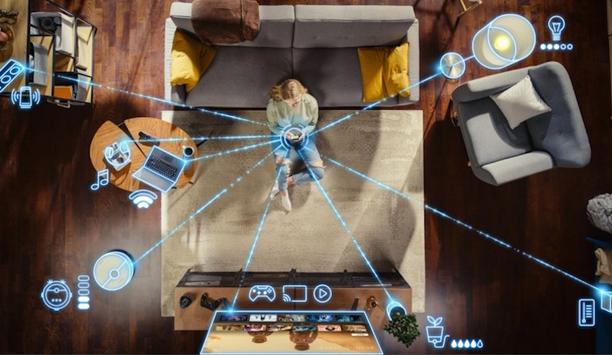
In today's smart homes, traditional climate control meets modern automation and connectivity. Technologies such as smart thermostats, home automation platforms, sensors, zoned heating and cooling, and artificial intelligence are combining to yield new levels of comfort for homeowners who embrace the smart home concept. We asked our Expert Panel Roundtable: How is the changing smart homes market impacting HVAC systems?
Products


White papers

Safety Certification Of IT Equipment Cooling In Data Centers
Download
The Hidden Energy Drain
Download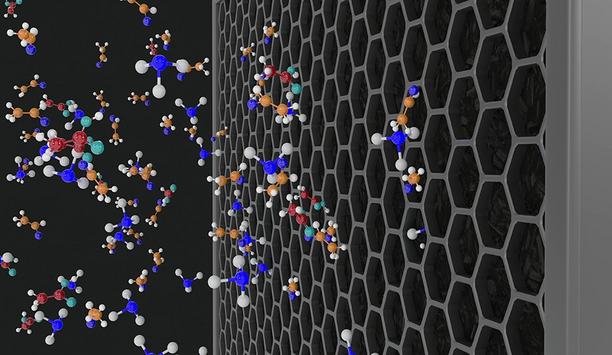
Air-Cleaning And Filtration
Download
Future Proofing Your Building
Download
The Challenge Of Net Zero For The Heating Sector
Download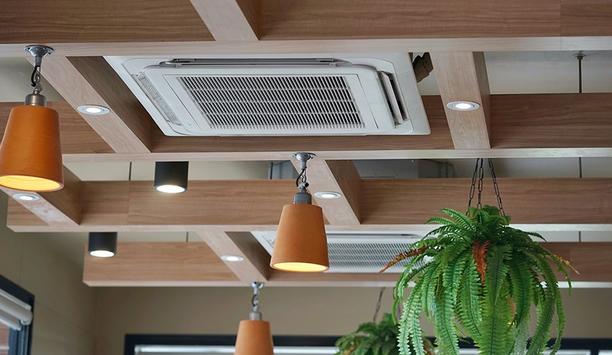
Automated After Hours HVAC Software And How You Can Quantify Its Value
DownloadVideos

Building Management: Manufacturers & Suppliers
Safety Certification Of IT Equipment Cooling In Data Centers
Download
The Advantages Of Cooling Tower Retrofits Using EC Fan Arrays
Download
The Water Is Fine: Diving Into Air-To-Water Heat Pumps
Download
Heat Pumps: Expert Insights
Download
The Hidden Energy Drain
Download